






The Sweet Allure of Cocoa
The appeal of a chocolate face mask isn't just about its luxurious feel and delicious scent. Unsweetened cocoa powder, the core ingredient, is packed with beneficial compounds. It's rich in antioxidants, particularly flavonoids, which are plant-based
nutrients that help protect the skin from environmental damage. Studies have shown that these antioxidants can combat free radicals—unstable molecules that contribute to premature aging, fine lines, and wrinkles. Additionally, cocoa contains minerals like magnesium and zinc, as well as a compound called theobromine, which can help increase blood flow to the skin, promoting a healthy, vibrant glow. Some research suggests the flavonoids in dark chocolate can even help protect the skin from UV damage, improve hydration, and enhance overall complexion.
When DIY Goes Wrong
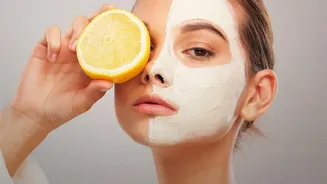
Despite the benefits of cocoa itself, a homemade mask is only as good as its ingredients. The DIY route can be risky because kitchen creations lack the preservatives and stable formulations of commercial products. This increases the chance of bacterial contamination. Furthermore, many popular DIY recipes found online suggest adding ingredients that can be harsh and irritating, especially for those with sensitive skin. Highly acidic additions like lemon juice can disrupt the skin's natural pH balance, leading to irritation, chemical burns, or a condition called phytophotodermatitis, which causes burns and blistering after sun exposure. Other common culprits like baking soda and certain spices, such as cinnamon, can be abrasive, cause micro-tears in the skin, and lead to dryness and inflammation.
Ingredients to Avoid for Sensitive Skin
If you have sensitive or reactive skin, it's crucial to be mindful of what you mix into your chocolate base. Dermatologists generally advise against using several common kitchen staples directly on the face. Lemon juice, with its high acidity, is a primary one to avoid. Similarly, baking soda's high pH can strip the skin's protective barrier, leading to dryness and increased sensitivity. Raw eggs carry a risk of salmonella exposure, and the tightening effect they provide is merely dehydration, not a true skin benefit. Spices like cinnamon can also be highly irritating. Even some 'natural' oils can be problematic; while olive oil is often suggested, it can be too heavy for some and clog pores. Always steer clear of any ingredient you know you have an allergy to.
Crafting a Safer Chocolate Mask
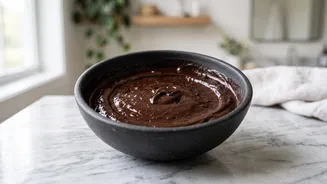
To enjoy the benefits of a chocolate mask without the irritation, simplicity is key. Start with high-quality, unsweetened cocoa powder or cacao powder with at least 70% cacao content. Instead of risky additives, mix the powder with ingredients known for their soothing properties. For dry skin, a small amount of honey, known for its antibacterial and hydrating qualities, can be a good choice. For oily skin, plain yogurt containing lactic acid can offer gentle exfoliation. Some dermatologists suggest using cream instead of yogurt for very sensitive skin. A gentle recipe involves combining a tablespoon of cocoa powder with a tablespoon of plain yogurt or cream to form a paste. You can also add a teaspoon of honey for extra moisture. The goal is a smooth, pudding-like consistency that's easy to apply.
The Patch Test: A Non-Negotiable Step
Before applying any new mixture to your entire face, performing a patch test is essential. This simple step helps you check for potential irritation or an allergic reaction. Apply a small amount of the mask to a discreet area, like your inner elbow or behind your ear, and leave it for at least 24 hours. Monitor the area for any signs of a reaction, such as redness, itching, burning, or swelling. If any irritation occurs, wash the product off immediately and do not use it on your face. Remember that an at home patch test is a good precaution but can't always predict a reaction on the more delicate skin of your face so introduce any new product slowly.