





More Than Just Abs
When people talk about the 'core', they often picture six-pack abs. But your core is much more than that. Think of it as a muscular corset that wraps around your entire torso. This complex system includes deep abdominal muscles, muscles in your back,
your diaphragm, pelvic floor, and even your glutes and hips. These muscles work in harmony to stabilize your entire body, acting as the central support structure for almost every move you make.
Your Spine's Natural Brace
The primary job of this muscular network is to support and stabilize your spine. A strong core acts like a natural brace, distributing the load from daily activities like lifting, bending, or even just sitting at a desk. It maintains proper posture and alignment, which prevents excessive pressure on any single part of your spine, including the vulnerable discs and joints in your lower back. This stability is crucial for transferring force efficiently between your upper and lower body, protecting your back from sudden, awkward movements that can lead to injury.
The Domino Effect of a Weak Core
When your core muscles are weak or inactive, they can't provide the necessary support for your spine. This forces other muscles, particularly those in your lower back, to work overtime to compensate. This overcompensation leads to muscle fatigue, strain, and eventually, chronic pain. A weak core can also contribute to poor posture, causing you to slouch or lean forward, which places even more stress on the spinal structures. It creates a vicious cycle where a weak foundation leads to pain, and the resulting pain makes it harder to maintain good posture or be active, further weakening the core.
How Strength Training Rebuilds Support
Strength workouts specifically targeting the core help to break this painful cycle. By methodically strengthening these muscles, you are essentially rebuilding your body's internal support system. The goal is to improve both muscle strength and endurance, allowing your core to properly stabilize the pelvis and spine. As your core gets stronger, it can take its rightful share of the load, relieving the over-stressed muscles in your lower back. This not only alleviates existing pain but also enhances movement control and balance, reducing the risk of future injuries.
Smart Exercises for a Stronger Core
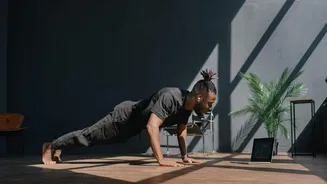
You don't need to perform endless crunches, which can sometimes put stress on the spine. Instead, focus on exercises that promote stability. The 'Bird-Dog' is excellent, where you kneel on all fours and extend an opposite arm and leg while keeping your torso still. Planks and their variations are fantastic for building endurance in the deep core muscles. The 'Bridge' is another great option, performed by lying on your back, bending your knees, and lifting your hips off the floor to engage your glutes and lower back. The 'Dead Bug' exercise, where you lie on your back and lower opposite limbs, teaches the core to brace without arching the back. The key is to start slowly and prioritize perfect form over the number of repetitions.