






Combat Dampness on Surfaces
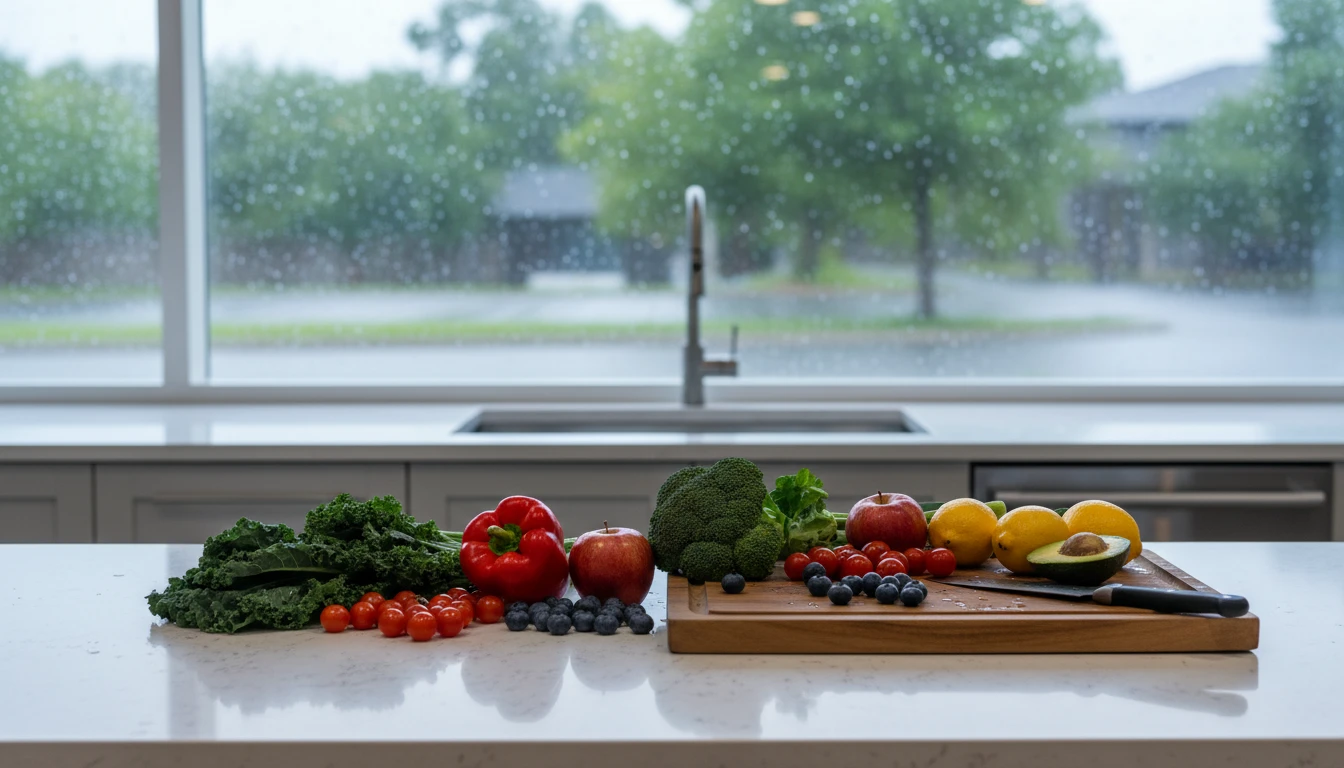
During the monsoon, every drop of water on your countertop is an invitation for mold and bacteria. The warm, humid air prevents surfaces from drying quickly, creating ideal conditions for microbial growth. Make it a non-negotiable habit to wipe down kitchen
counters, stovetops, and the sink area with a dry cloth immediately after cooking or washing dishes. Running an exhaust fan while cooking, and for 10-15 minutes after, also helps pull steam and excess moisture out of the air, keeping your kitchen drier and safer.
Handle Fresh Produce with Extra Care
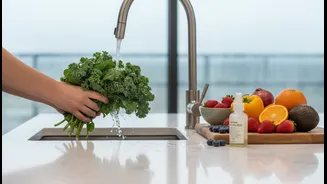
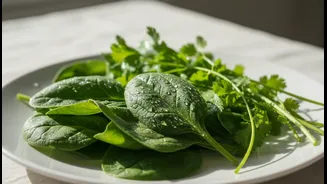
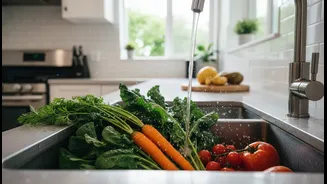
Leafy green vegetables like spinach and coriander are particularly susceptible to rot and contamination during the rains. Before storing, wash them thoroughly and let them dry completely. A salad spinner can be very effective. Once dry, wrap them loosely in paper towels before placing them in the fridge; the paper absorbs excess moisture and keeps them crisp. For other vegetables, it’s best to buy in smaller quantities more frequently, as bulk-bought produce is more likely to spoil in the damp conditions.
Secure Your Dry Goods
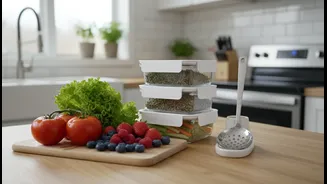
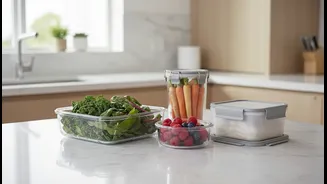
Humidity is the enemy of anything crisp and dry. Biscuits, chips, spices, and flours can quickly become soggy, clumpy, or develop mold if not stored correctly. This is the season to be strict about using airtight containers. Transfer all such items from their original packaging into glass or high-quality plastic jars with tight-fitting lids. This not only preserves their texture and flavour but also protects them from moisture and pests. For spices, consider adding a few grains of rice or a silica gel packet to absorb any trapped moisture.
Mind Your Wooden Tools
Wooden chopping boards, spoons, and rolling pins (chaklas) are porous and can easily absorb moisture from the air, making them a breeding ground for germs. During the monsoon, be extra vigilant about cleaning and drying them. After washing, don’t just leave them in a dish rack. Wipe them with a cloth and let them air-dry completely in a ventilated area before storing. Occasionally sanitising them by wiping them with a solution of vinegar and water can help kill any lingering bacteria.
Fortify Against Pest Invasions
Heavy rains often flood the nests of pests like ants, cockroaches, and rodents, driving them indoors in search of dry shelter and food. Your kitchen can become an attractive target. A clean kitchen is your first line of defense. Ensure all food is stored in sealed containers, countertops are free of crumbs, and a lid is kept on your dustbin. Most importantly, dispose of your garbage daily to avoid attracting unwanted visitors overnight.
Don't Forget the Drains and Refrigerator
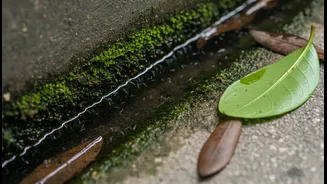
The combination of moisture and food debris can make kitchen drains a source of foul odours and a hotspot for pests during the monsoon. Make it a weekly habit to clean your drains using a mixture of baking soda and vinegar, followed by hot water, to keep them clear and sanitised. It's also a good time to deep-clean your refrigerator. Condensation can build up, promoting mold growth. Wipe down the interior shelves and door seals regularly to keep it hygienic.
Ensure Water is Safe
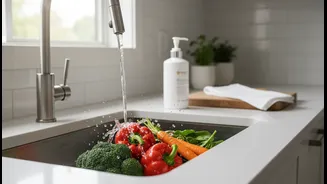
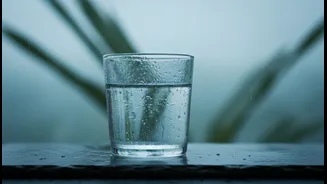
Waterborne diseases like typhoid, cholera, and gastroenteritis become more common during the rainy season as groundwater can get contaminated. It is safest to drink only boiled, filtered, or purified water. Avoid using untreated tap water for making juices or chutneys. When washing vegetables that will be eaten raw, a final rinse with purified water or a soak in a mild vinegar solution can help remove surface pathogens.