



A Localised, Catastrophic Event
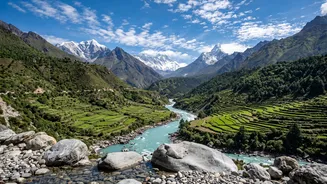
On August 26, 2026, a catastrophic event unfolded in northern Nepal. This was not a typical monsoon downpour, but a massive flash flood triggered by a high-altitude glacial collapse near the Tibet border. A wall of ice, rock, and water surged down the Bhote
Koshi and Trishuli river corridors, causing immense destruction. The impact was so extreme that it registered as a magnitude 5.2 seismic event, highlighting the sheer force of the collapse. This disaster has led to a major humanitarian crisis, with hundreds confirmed dead and thousands missing, including foreign nationals. Rescue operations are ongoing in what authorities have declared a disaster crisis zone.
Which Regions Are Directly Affected?
The destruction is heavily concentrated in specific northern districts, not country-wide. The districts of Rasuwa, Nuwakot, and Dhading have borne the brunt of the disaster. Key infrastructure, including dozens of bridges and significant stretches of highway, has been washed away. Consequently, the Langtang Valley trekking region, which is accessed through this corridor, is currently not recommended for travel. The road to Syabrubesi, the starting point for many Langtang treks, is reportedly destroyed. Multiple foreign governments, including Australia and the UK, have issued advisories urging citizens to reconsider travel to these specific flood-affected districts.
Popular Tourist Hubs Remain Unaffected
For the majority of tourists, there is reassuring news. Most of Nepal’s premier trekking and tourist destinations are located in different drainage basins and were not impacted by the floods. According to the Trekking Agencies' Association of Nepal (TAAN), the Everest region (including the Everest Base Camp trek), the Annapurna region (including the Annapurna Circuit and Annapurna Base Camp), and the Manaslu region all remain safe and operational. Furthermore, major tourist centres like the Kathmandu Valley, with its UNESCO heritage sites, and the city of Pokhara are running as normal. Chitwan National Park also remains unaffected. Kathmandu's Tribhuvan International Airport continues to handle domestic and international flights without disruption.
Assessing Your September Itinerary
Whether your trip can proceed depends entirely on your planned destination. If your itinerary is focused on the Langtang region or overland travel to the Tibet border via Rasuwagadhi, you must change your plans. However, if you are booked for a trek in the Everest or Annapurna regions, your trip is likely to be unaffected, though it is wise to confirm with your operator. For trips involving city-based cultural tours in Kathmandu and Pokhara, travel can proceed with normal monsoon-season precautions. The primary challenge for any travel in Nepal right now is overland transport. Landslides can block highways even in unaffected regions, so any itinerary that relies on long road journeys requires flexibility and verification of road status before departure.
What Travellers Should Do Now
If you have an upcoming trip to Nepal, proactive communication is key. First, contact your airline and tour operator immediately. They will have the most current information about your specific itinerary and whether any changes are necessary. Secondly, review your travel insurance policy carefully to understand your coverage for cancellations or changes due to natural disasters. It's crucial not to rely on social media for information, as initial reports can be sensationalized. Instead, consult official sources like the Nepal Tourism Board, which is establishing an information desk for tourists, and advisories from your home country's government. For those already in Nepal, avoid all riverbank areas, even downstream from the floods, and always verify road conditions locally before undertaking overland journeys.