

What Are Sodium-Ion Batteries?
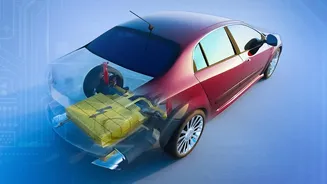
At its core, a sodium-ion battery works much like the lithium-ion batteries that power our phones and current electric cars. Ions move between a positive and negative electrode to charge and discharge the battery. The key difference, as the name suggests,
is the replacement of lithium with sodium. Sodium is the sixth most abundant element on Earth, found everywhere in our oceans and salt flats. This simple swap has profound implications, not just for cost but for the entire supply chain of electric mobility. Chinese battery giant CATL, a leader in the field, began research into sodium-ion back in 2016 and is now beginning mass production, signalling the technology has moved from the lab to the factory floor.
The Core Advantage: Abundance and Cost
The primary driver behind the excitement for sodium-ion technology is cost. Lithium, while effective, is often called 'white gold' for a reason. Its extraction is geographically concentrated in a few countries, making its price volatile and the supply chain vulnerable to geopolitical risks. Sodium, by contrast, is significantly cheaper and more widely available. This allows manufacturers to avoid not only lithium but also other expensive and controversial materials like cobalt and nickel, which are common in many lithium-ion chemistries. This shift could result in battery cells that are substantially cheaper to produce. Since the battery is one of the most expensive components of an EV, this cost saving can be passed directly to the consumer, potentially bringing the price of entry-level EVs down significantly.
Are There Any Downsides?
While promising, sodium-ion technology is not a perfect replacement for lithium-ion in every application. Its main limitation is lower energy density. In practical terms, this means a sodium-ion battery of the same weight and size stores less energy than a lithium-ion one, resulting in a shorter driving range. Early production models from CATL feature an energy density of up to 175 Wh/kg, which is impressive but still below many lithium chemistries. This makes sodium-ion batteries best suited for smaller, more affordable city cars or for drivers who don't need the longest possible range for daily use. However, one surprising advantage is better performance in cold weather, a known weakness for some lithium batteries.
Who Is Leading the Charge?
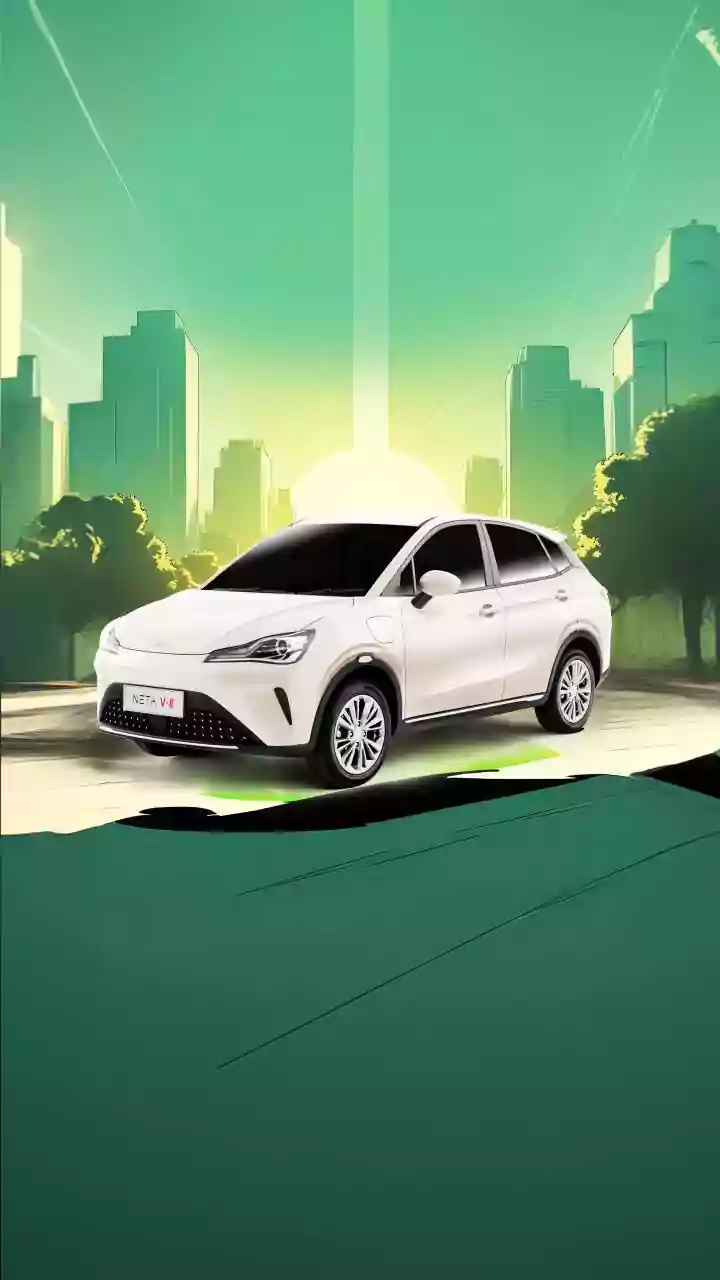
Several companies are racing to commercialise sodium-ion technology. CATL is a clear frontrunner, having already signed a massive 60 GWh supply agreement for its cells and partnered with automaker Changan to launch the world's first mass-produced passenger EV with a sodium-ion battery, the Nevo A06, set to be released in mid-2026. BYD's battery division, FinDreams, is also making a major push, forming a joint venture to become a top supplier for smaller EVs. In India, where affordable EVs are a national priority, companies like IndiEnergy are developing their own sodium-ion technology, even using agricultural waste to create battery components. The Indian government has noted that the technology is reaching a high level of maturity, which could lead to commercial production within two to three years.
The Future of Affordable EVs
Sodium-ion batteries aren't expected to kill off lithium-ion technology entirely. Instead, they will coexist, serving different segments of the market. Lithium will likely continue to dominate long-range, premium, and performance vehicles where energy density is paramount. Sodium-ion, meanwhile, is set to conquer the entry-level market. It will power more affordable city cars, two-wheelers, and commercial delivery vehicles, making electric transport accessible to a much wider audience. For a market like India, this technology is a potential game-changer, aligning perfectly with the need for cost-effective, domestically-sourced energy solutions to drive mass EV adoption.