
The World's Highest Art Gallery
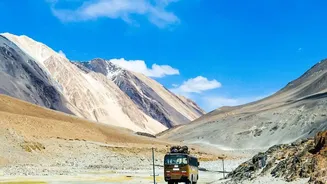
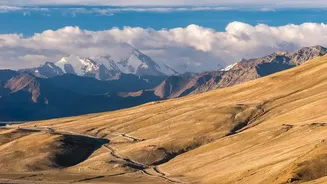
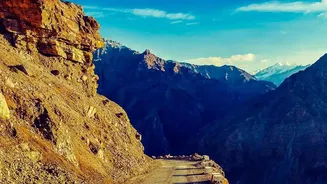
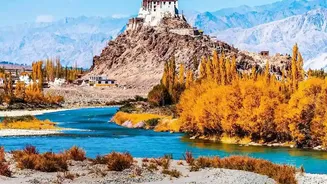
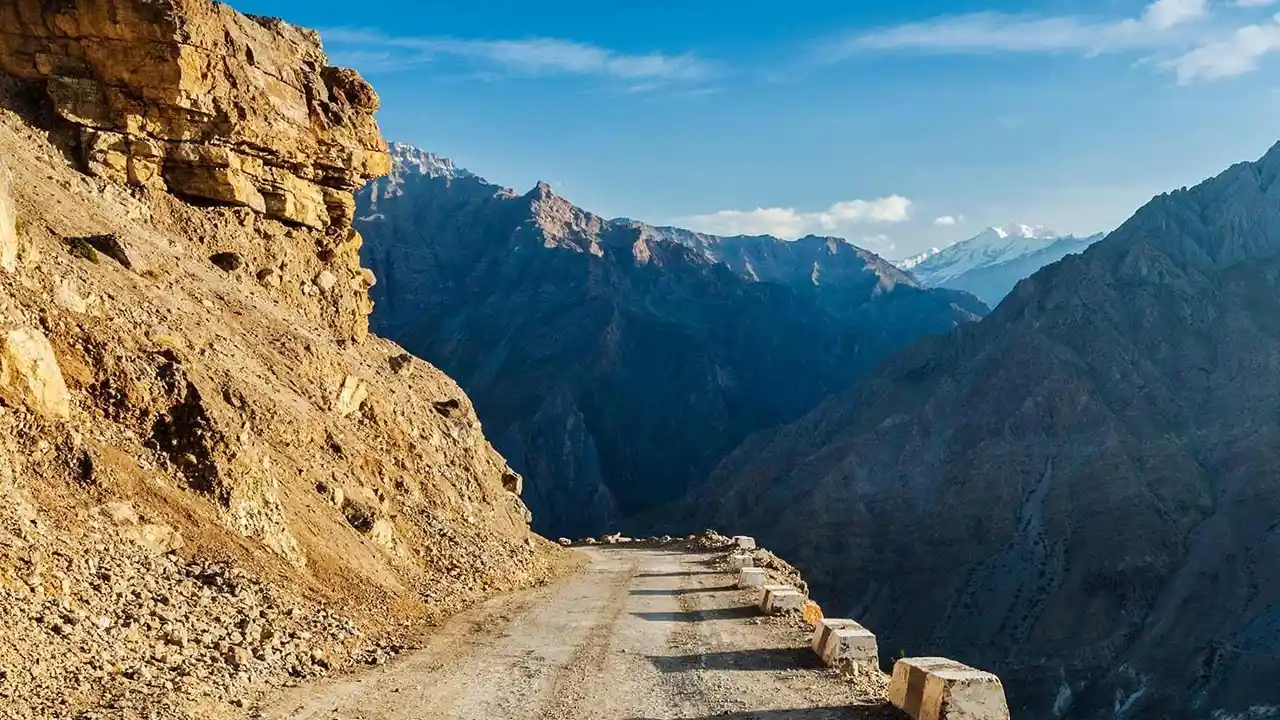
Forget white-walled museums. From August 1 to 10, 2026, Ladakh is hosting the 'sā Ladakh' biennale, the world's highest regenerative art exhibition. This event transforms a 230-kilometre stretch of the historic Leh-Kargil corridor into a sprawling, open-air
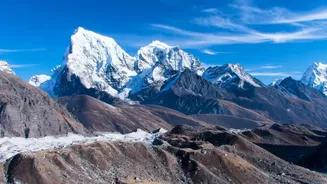
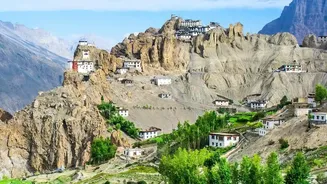
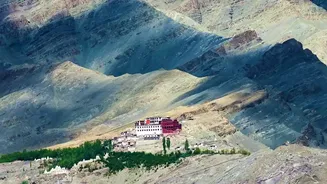
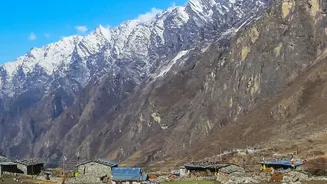
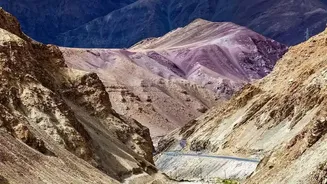
gallery set at altitudes above 3,000 metres. Instead of confining art to a single space, installations are thoughtfully placed across eight locations, including Leh, Basgo, Lamayuru, and Kargil, inviting visitors to experience art as an integral part of the Himalayan environment. The landscape is not just a backdrop; it is the gallery itself, encouraging a slower, more immersive form of travel through the region.
Art with a Deeper Meaning
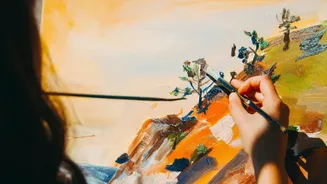
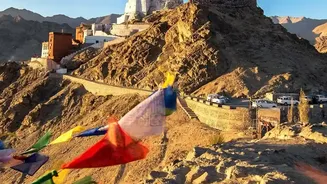
The name 'sā' is the Ladakhi word for 'soil,' grounding the event in a philosophy of ecological stewardship and connection to the land. Founded in 2023, the biennale is a regenerative art festival, meaning the works are created using local, biodegradable, and recycled materials. This year's theme, 'Signals from Another Star,' brings together 19 artists from Ladakh and around the world to explore pressing questions of climate change, cultural identity, and indigenous knowledge. Projects like 'Raising Flags' reimagine flags not as symbols of nationalism, but as platforms for shared cultural narratives, featuring designs by contemporary artists displayed across public spaces.
From the Soil, For the Community
Unlike many international art events held in major cities, the sā Ladakh biennale is deeply embedded in the remote settlements it inhabits. The initiative was born from a passion for the local landscape, environment, and communities, founded by Ladakhi climbing pioneer Tenzin 'Jammy' Jamyang, artist Raki Nikahetiya, and designer Sagardeep Singh. Their goal is to foster 'climate optimism' by using art to create an inclusive dialogue around environmental challenges. The installations are not parachuted in; they emerge from the local context, often with community involvement, using materials and traditions native to Ladakh. The art is designed to be site-specific, responding to the history, ecology, and spirit of each location.
A New Vision for Tourism
While Ladakh has long been a magnet for adventure seekers and those drawn to its spiritual heritage, the biennale offers a new reason to visit. It represents a thoughtful evolution in tourism for a region facing challenges from climate change and increasing visitor numbers. By decentralising the attractions along the Leh-Kargil route, the event encourages visitors to move beyond the usual tourist circuits and engage more deeply with the local culture and environment. It champions a form of tourism that is not just extractive but regenerative, aiming to leave a positive impact by fostering creativity, dialogue, and a deeper connection to the land.