


The Science of Humidity and Hair
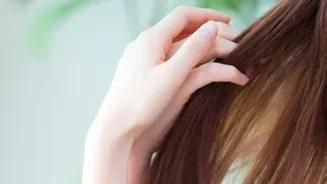
To understand why braids triumph in humid weather, we first need to understand what humidity does to our hair. Each hair strand has an outer layer called the cuticle. When the air is humid, your hair, which is naturally porous, absorbs this excess moisture.
This causes the hair shaft to swell and disrupts the hydrogen bonds that hold your style in place. For hair that is dry, coloured, or damaged, the effect is even more dramatic because its cuticle is already lifted, making it extra thirsty for moisture from the air. This process is what leads to the dreaded frizz, where hair appears puffy, undefined, and unruly.
Why Loose Curls Don't Stand a Chance
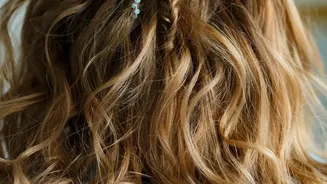
Loose curls, whether natural or created with heat, are particularly vulnerable to humidity. The style relies on temporary hydrogen bonds to maintain its shape. When exposed to moisture-laden air, these bonds break and the hair tries to revert to its natural state. Straight hair might go limp, while wavy or curly hair will often expand into a cloud of frizz. A beautiful, defined curl can lose its shape because the individual strands swell unevenly, disrupting the polished pattern you worked so hard to create.
The Structural Integrity of Braids
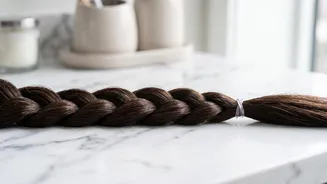
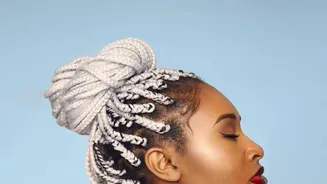
Braided styles, especially those with extensions, offer a powerful defence against humidity. The magic is in the structure. By tightly intertwining the hair, a braid physically locks the strands in place, significantly reducing the surface area exposed to the moist air. This interwoven pattern acts as a barrier, preventing moisture from penetrating the hair shaft and causing it to swell and frizz. Adding extensions provides extra weight and tension, which further secures the style. The extensions essentially form a scaffold, holding the hair in its intended shape regardless of the weather.
Choosing the Right Extensions for Battle
Not all hair extensions are created equal when it comes to fighting humidity. While human hair extensions are a popular choice, high-quality synthetic hair, like Kanekalon, is often praised for its ability to hold a style. Synthetic fibres are less porous than human hair and are not as reactive to moisture in the atmosphere, which means they are less likely to frizz or lose their shape. For styles like boho or goddess braids where loose, curly ends are part of the look, choosing a human hair texture with strong curl memory, such as a deep wave or water wave, can help the style last longer through humidity and activity.
Top Humidity-Proof Braided Styles
Certain braided styles are particularly effective at keeping you looking chic and polished in damp climates. Knotless box braids are a fantastic, lightweight option that puts less tension on the scalp while keeping hair secure. Cornrows are another classic choice, keeping hair sleek and close to the scalp, making them perfect for active days. For a softer, more romantic look, styles like Passion Twists offer a beautiful, low-maintenance alternative that still provides the protective benefits of a contained style. Even a simple, well-executed braided ponytail can control volume and hold its shape far better than leaving your hair loose.
Tips to Maximize Your Style's Lifespan
To get the most out of your braided style, a little maintenance goes a long way. Before installation, ensure your natural hair is well-moisturised. At night, sleeping with a silk or satin bonnet or on a satin pillowcase is non-negotiable; it reduces friction and prevents your hair from drying out. During the day, especially if you're active or sweating, securing your braids in a loose bun can prevent tangling. Finally, a light, alcohol-free anti-humidity spray or serum can provide an extra layer of protection, sealing the cuticle and locking out excess moisture.