



1. Think Vertically, Not Just Wide
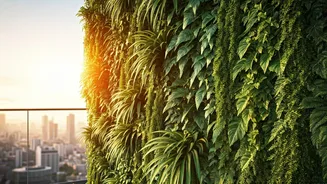
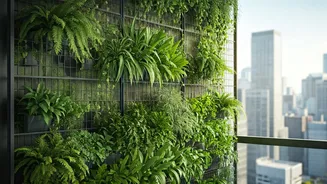
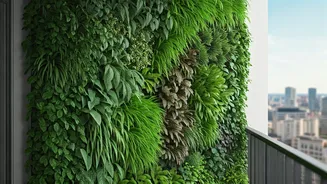
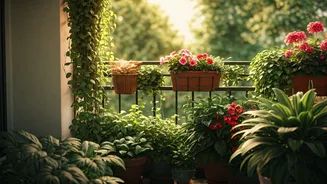
The single biggest mistake in small-space gardening is thinking only about floor space. Your walls and railings are prime real estate! Vertical gardening is your best friend. Install a simple trellis and train climbers like the resilient Money Plant (Pothos)
or the beautifully fragrant Star Jasmine (Mogra) to create a living green wall. Hanging baskets are perfect for trailing plants like bougainvillaea, petunias, or even mint, adding colour and life at eye level. You can also invest in tiered plant stands that allow you to stack multiple pots in the footprint of one. By drawing the eye upward, you create an illusion of a much larger, lusher space.
2. The Right Container is Key
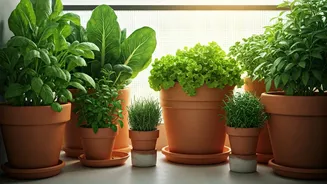
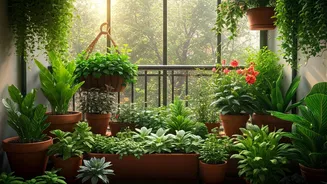
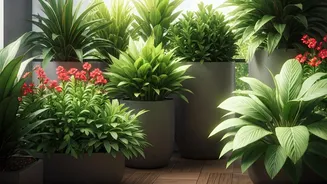
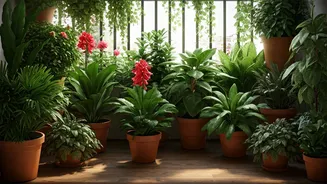
Your pots are more than just containers; they are a fundamental part of your garden's health and aesthetic. For Indian climates, traditional terracotta (mitti) pots are excellent as they are porous and allow roots to breathe, preventing waterlogging. However, they can be heavy. For balconies with weight restrictions, consider lighter alternatives like fibre or high-quality plastic planters. The most important feature? Drainage holes. Without them, your plants will suffer from root rot. Don’t be afraid to mix and match. A cluster of pots in varying sizes, textures, and complementary colours creates a more dynamic and visually interesting display than a single row of identical pots.
3. Choose Your Plant Heroes Wisely
Not all plants are created equal when it comes to container living. For a sunny balcony that gets harsh afternoon sun, opt for hardy bloomers like Hibiscus, Adenium (Desert Rose), or vibrant Portulaca (Office Time flower). For shadier spots, focus on foliage. Snake Plants, ZZ Plants, and various ferns thrive with less direct light and are famously low-maintenance. No Indian garden feels complete without fragrant flowers. Plant a Raat Ki Rani (Night-blooming Jasmine) or Parijat to perfume your evenings. And of course, the ever-present Tulsi plant is a must-have for its cultural significance and ease of care.
4. Grow What You Can Eat
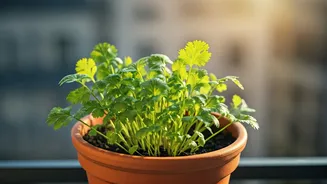
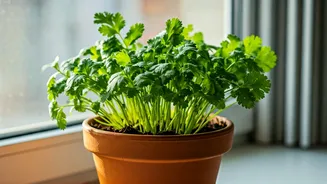
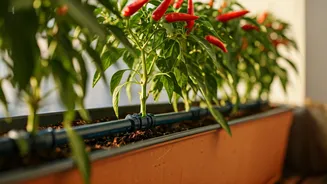
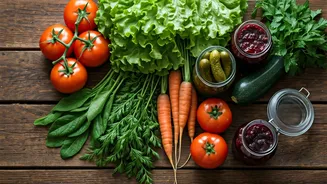
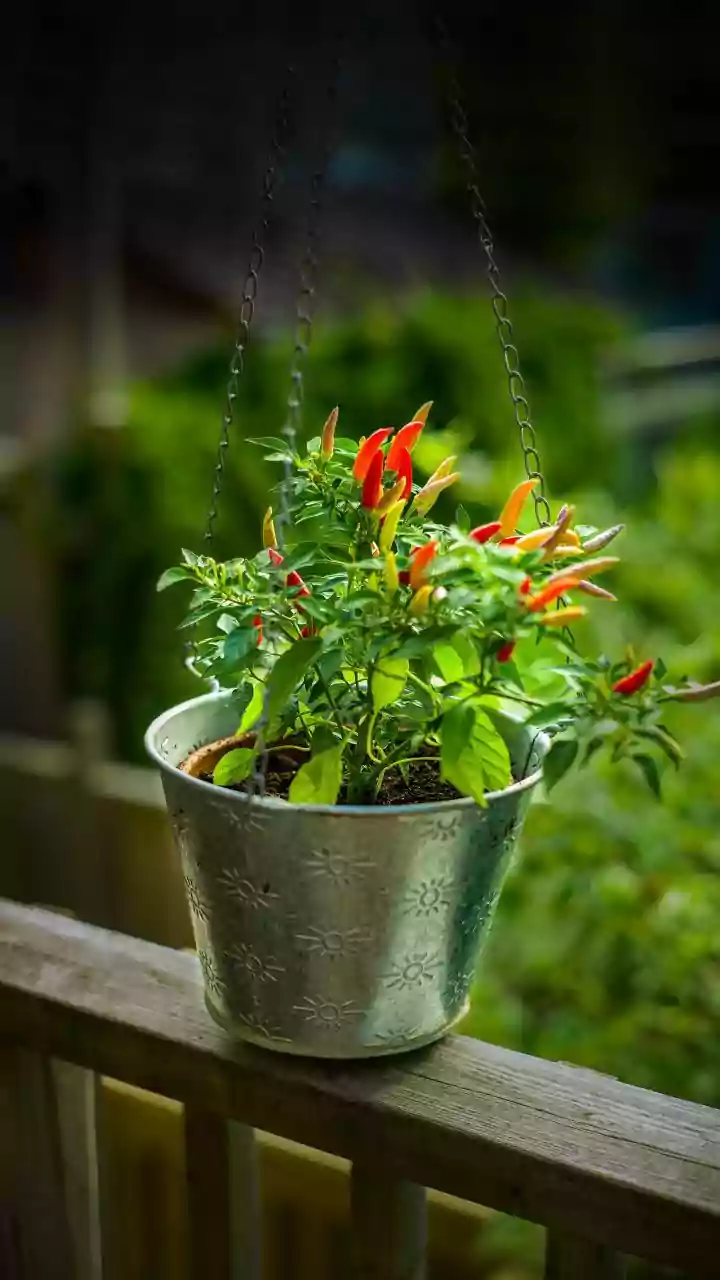
One of the greatest joys of gardening is harvesting your own produce. Even in a small space, a kitchen garden is entirely possible. Start with herbs—they are compact and incredibly rewarding. A pot of mint (pudina) for your chai and chutneys, a pot of coriander (dhania), and some curry leaves (kadi patta) are easy wins. If you have slightly larger containers and good sunlight, you can successfully grow chillies, cherry tomatoes, and even brinjal. There is nothing more satisfying than snipping fresh ingredients for your meal right from your own balcony.
5. Accessorise Your Green Nook
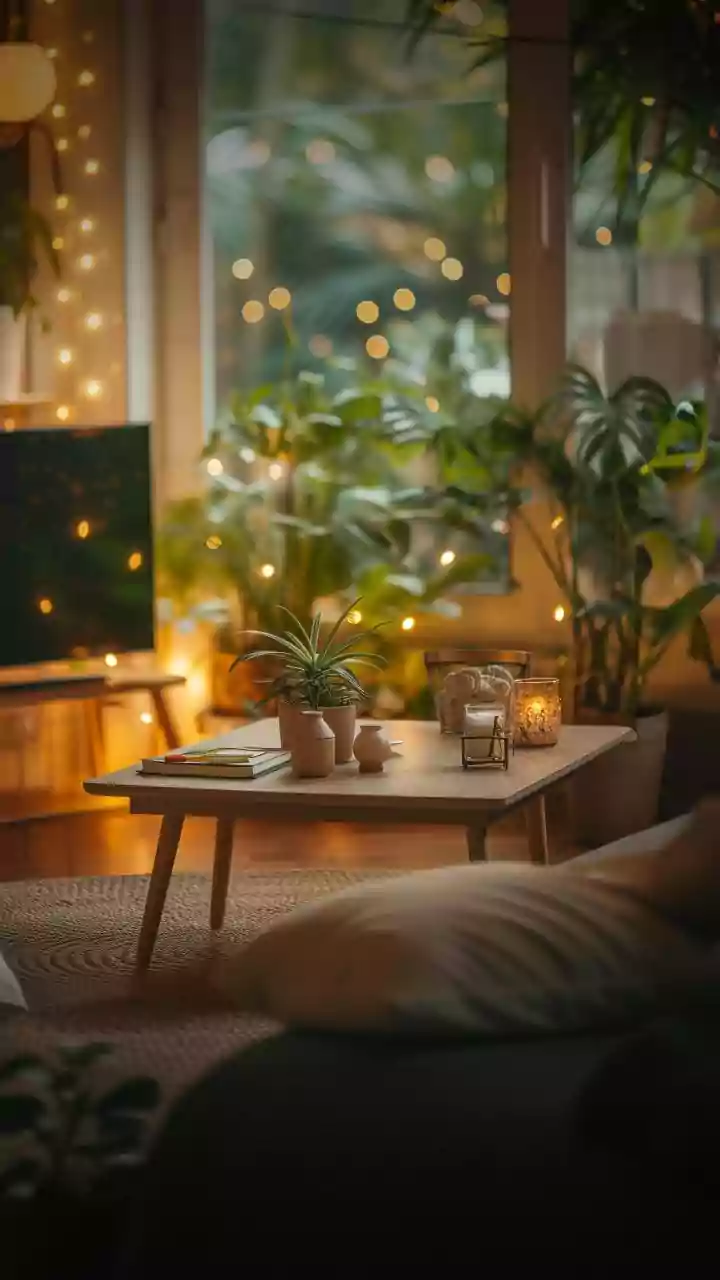
A garden is an experience, not just a collection of plants. To elevate your space from a simple plant corner to a true retreat, think about accessories. A string of warm fairy lights can make the space magical in the evenings. A colourful outdoor dhurrie or rug can define the area and add comfort. If you have room, add a small, foldable chair or a couple of floor cushions. This invites you to actually spend time in your garden, enjoying your morning cup of tea or unwinding after a long day. Even a small, tabletop water feature can add the soothing sound of flowing water, masking city noise.
6. Master the Foundation: Soil and Food
You don’t need to be a soil scientist, but understanding the basics will set you up for success. Plants in pots rely entirely on you for nutrients and a healthy growing medium. Instead of using heavy garden soil, which compacts easily, use a well-draining potting mix. A simple, effective mix for most plants is an equal combination of red soil, cocopeat (for moisture retention), and compost or vermicompost (for nutrients). This blend provides good aeration, drainage, and a steady supply of food. Check your plants every few weeks and feed them with a diluted liquid fertiliser or some fresh compost to keep them happy and thriving.