


What Exactly Is Fluid Tailoring?
Forget the stiff, restrictive silhouettes of the past. Fluid tailoring is a design philosophy centered on movement and comfort. It trades rigid construction for relaxed cuts, soft drapes, and lightweight fabrics that flow with the body rather than confining
it. Think of unstructured blazers that feel more like a soft jacket, wide-leg trousers that move effortlessly, and silhouettes that celebrate a natural, easy elegance. The emphasis is on how the clothes interact with your body in motion, creating a look that is polished without being restrictive. It’s less about a tight, structured fit and more about creating a garment that moves as quietly and smoothly as possible with the wearer.
A Fresh Canvas for Ancient Crafts
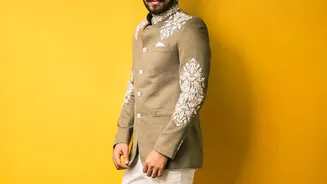
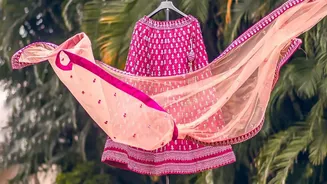
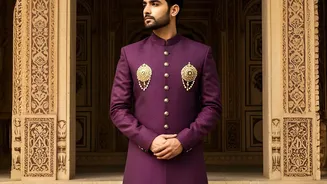
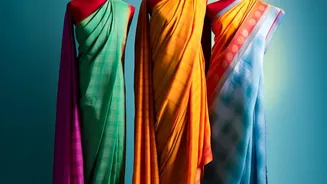
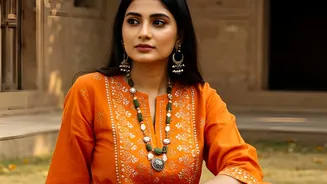
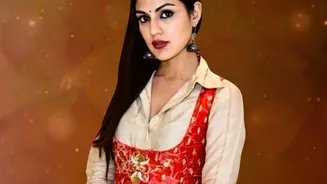
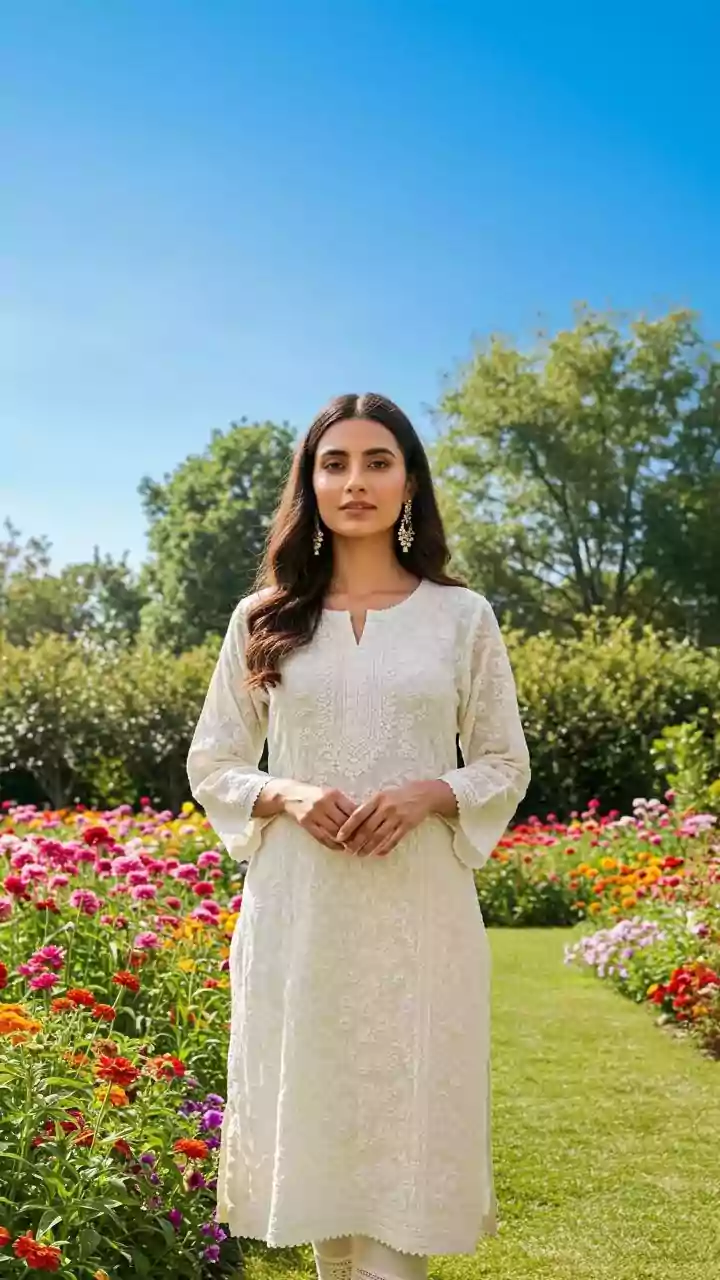
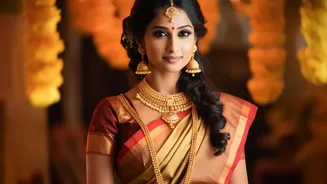
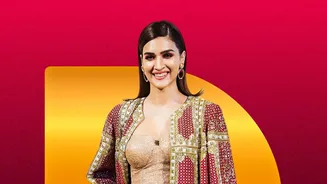
For centuries, traditional Indian attire has been defined by specific drapes and cuts. While timelessly elegant, these forms can sometimes feel formal or impractical for a contemporary global lifestyle. This is where fluid tailoring comes in. By applying its principles, designers are deconstructing traditional garments and reimagining them. An ornate Banarasi brocade, once destined for a heavy bridal lehenga, might be transformed into a fluid evening gown or a relaxed, unstructured jacket. Intricate crafts like Chikankari, Zardozi, and hand-block prints are finding their way onto modern silhouettes like ethnic jumpsuits, relaxed co-ord sets, and even denim. This fusion allows the exquisite craftsmanship to shine in a new context, making it more accessible and desirable for everyday wear.
Designers Leading the Change
A new generation of Indian designers is at the forefront of this movement, skillfully balancing heritage with a modern point of view. Labels like Ashiva Shu are using heritage textiles from Varanasi to create lightweight, embroidered menswear with dhoti-inspired drapes. Others, like designer Mihika Meena's label Laturia, transform vintage saris and textiles like Ajrakh into contemporary separates. This approach isn't just about aesthetics; it's about making heritage relevant. Designers are partnering with artisan clusters to infuse age-old techniques into contemporary designs that appeal to modern tastes. They are reinterpreting everything from the rich brocades of Banaras to the delicate Chikankari of Lucknow, giving these crafts a fresh, global appeal.
Why This Trend Is Resonating Now
The rise of fluid tailoring in Indian fashion is a response to several cultural shifts. Firstly, there is a growing global appreciation for authenticity and artisanal craftsmanship. Consumers, particularly the younger generation, are looking for clothes that tell a story and feel personal. Secondly, there's a significant move towards comfort and versatility in our wardrobes. Post-pandemic dressing has accelerated the demand for clothes that are both stylish and easy to live in. Fluid tailoring perfectly meets this need for relaxed elegance. Finally, this trend celebrates a more sustainable and conscious approach to fashion. By working with traditional artisans and using handloom fabrics, designers are helping to preserve ancient skills and promote eco-friendly practices. It's a movement that honours where we come from while being perfectly in step with where we're going.