




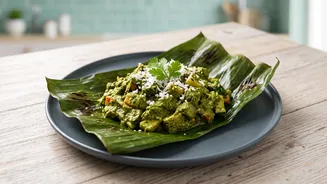
Food as a Living Archive
In India, food has always been more than sustenance; it is a celebration of life, culture, and community. Every meal tells a story of the land, its people, and its history. This connection is most vibrant during festivals, where specific dishes are prepared
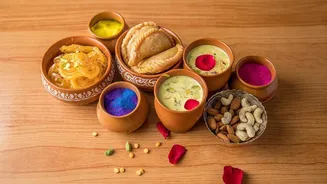
to mark occasions, seasons, and rituals. From the Sakkarai Pongal made during the Tamil harvest festival to the gujiya shared during Holi, these dishes are edible heirlooms passed down through generations. Recently, however, there has been a conscious shift. A growing movement across the country is dedicated to not just enjoying these foods, but actively preserving and reviving them as central pillars of cultural identity. It's a recognition that in a rapidly globalizing world, the most authentic connections to our past may be found on our plates.
Festivals Championing Heritage
While large-scale food festivals have often focused on popular or international cuisines, a new breed of event is digging deeper into India's culinary soil. The Sattvik Food Festival in Ahmedabad, for instance, promotes traditional vegetarian foods, emphasizing heirloom grains and Ayurvedic principles. It’s less about gourmet trends and more about a sustainable philosophy. Similarly, events celebrating regional specifics, like the Hornbill Festival in Nagaland, offer a true taste of the North East's distinct food identity, serving dishes like smoked pork with bamboo shoots and fiery axone preparations. Even established gatherings are now curating spaces for heritage food. The food hall at the Jaipur Literature Festival showcases traditional Rajasthani dishes like dal baati churma, connecting literature with the region's culinary narrative. These festivals act as living museums, preserving not just recipes but the context and culture surrounding them.
Chefs as Cultural Custodians
At the forefront of this revival are chefs who have taken on the role of culinary archivists. Moving beyond fusion and invention, they are travelling to remote villages, consulting with elders, and poring over historical texts to unearth recipes at risk of being forgotten. Chef Satya Prakash Mishra of BrijRama Palace in Varanasi, for example, has resurrected dishes from royal Maratha kitchens, adapting them subtly for the modern palate while keeping the soul of the recipe intact. He believes that reviving a dish is like bringing back a piece of our collective past. This sentiment is echoed by many who see their work as narrating stories through recipes. It's a painstaking process, often involving recipes that were never written down, but the goal is clear: to ensure continuity and prevent the erasure of our culinary history.
A Hunger for Authenticity in a Digital Age
What is driving this renewed interest in our culinary roots? In part, it is a reaction against the homogenization of food culture and the rise of fast food. There's a growing desire for authenticity and a connection to something tangible and meaningful. This movement is also being powerfully amplified by technology. Digital platforms like Instagram and YouTube have become virtual archives, allowing home cooks and food revivalists to share forgotten recipes and techniques with a global audience. This digital renaissance helps bridge generational gaps, as younger Indians discover the richness of their own regional cuisines online. It's a powerful reminder that progress doesn't have to mean leaving the past behind. The future of Indian food, it seems, lies in a thoughtful and delicious dialogue with its history.