




The Viral Combination on Your Feed
If you spend any time on social media, you’ve probably seen it: someone enthusiastically dipping an apple slice into a bowl of cottage cheese mixed with mustard. Or perhaps it was a colourful plate of sausage, grapes, and carrots. This is the protein-plus-fruit
trend in its most viral form. At its core, it’s about pairing a high-protein food source—like cottage cheese, Greek yogurt, or even a piece of chicken sausage—with a piece of fruit or a vegetable. The combinations can range from the familiar (apple and peanut butter) to the bizarrely intriguing (mustard on everything, apparently). The trend gained massive traction on platforms like TikTok, where users showcase their 'weird' but delicious-sounding snack plates, often generating millions of views and sparking debates in the comments. It’s less a specific recipe and more of a flexible, customisable snacking formula.
Why Gen Z Is All In
So why has this particular snacking style captured the attention of the internet's youngest tastemakers? There are a few key drivers. Firstly, there's a growing health consciousness among younger generations. They are increasingly looking for snacks that are not just convenient but also functional. A snack that provides lasting energy and satiety is far more appealing than a bag of empty-calorie chips. The protein-plus-fruit combo fits this brief perfectly. Protein keeps you full, while the fruit provides fibre and a touch of natural sweetness. Secondly, it’s visually appealing and 'grammable.' A colourful plate of fruits, veggies, and dips looks great on an Instagram story. Finally, there's the simple power of the social media algorithm. Once a few videos went viral, the trend snowballed, with everyone wanting to try the 'weird' new snack and share their own take on it.
The Nutritionist's Take
Beyond the social media hype, there is sound nutritional science behind this trend. Dietitians and nutritionists often recommend pairing carbohydrates with protein and fat to create a more balanced and satisfying meal or snack. Fruit provides carbohydrates (in the form of fructose and fibre), which are your body's primary source of quick energy. However, eating carbs alone can sometimes lead to a rapid spike in blood sugar, followed by a crash that leaves you feeling tired and hungry again. When you add a source of protein (like yogurt or cheese) and healthy fats (like those in nuts or seeds), you slow down the digestion of the carbohydrates. This leads to a more gradual release of sugar into the bloodstream, providing sustained energy and keeping you feeling full for longer. This combination is particularly effective for staving off afternoon slumps and preventing overeating later in the day. It’s a smart snacking strategy that experts have recommended for years, now repackaged for a new generation.
Easy Ways to Try the Trend
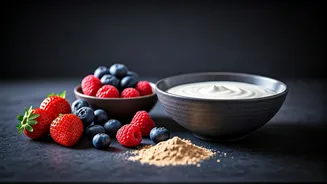
Curious to see what the fuss is about? The beauty of this trend is its simplicity and flexibility. You don’t need a complicated recipe to get started. Here are a few easy and delicious protein-plus-fruit combinations to try: - **The Classic:** Apple slices with a generous spoonful of peanut or almond butter. - **The Creamy:** A bowl of thick Greek yogurt topped with fresh berries and a drizzle of honey. - **The Savoury-Sweet:** Slices of cheese (like paneer or cheddar) paired with grapes or pear slices. - **The Tropical:** A small bowl of cottage cheese topped with chunks of fresh pineapple or mango. - **The On-The-Go:** A handful of almonds and a banana for a quick and portable energy boost. Don't be afraid to experiment with different fruits and protein sources to find what you enjoy. The goal is to create a snack that is both nutritious and enjoyable for you.
A Fleeting Fad or the Future of Snacking?
Food trends on social media can be notoriously short-lived. One day it's Dalgona coffee, the next it's a baked feta pasta. So, is the protein-plus-fruit phenomenon just another fleeting fad? While specific viral combinations (we're looking at you, cottage cheese and mustard) might fade, the underlying principle is likely here to stay. This trend is less about a single recipe and more about a broader shift in how we think about snacking. It taps into a long-term movement towards whole foods, balanced nutrition, and listening to our bodies' needs for fuel and satisfaction. As people continue to seek out healthier and more mindful ways of eating, the simple, effective formula of pairing protein with produce will likely remain a go-to strategy, long after the TikTok hype has died down.