
A Journey Beyond the Usual Circuit
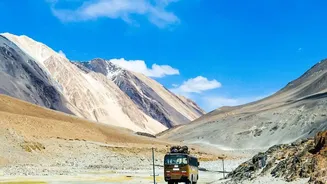
For years, tourism in Ladakh has revolved around its stunning high-altitude lakes, challenging mountain passes, and iconic monasteries. Now, a new cultural dimension is being added to the itinerary. Recent initiatives have focused on creating trails that
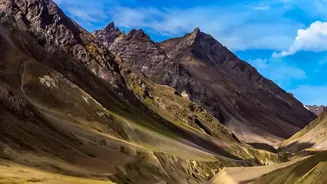
offer a more profound connection with the region's soul. One such experience is the route developing around the historic Sham Valley, linking key heritage sites like Saspol, Likir, and Alchi. This corridor encourages travellers to slow down and immerse themselves in a landscape rich with history, art, and local life, offering a compelling alternative to the more crowded tourist hubs. It’s an invitation to see Ladakh not just as a place of adventure, but as a living museum set against the backdrop of the Himalayas.
The Ancient Marvel of the Saspol Caves
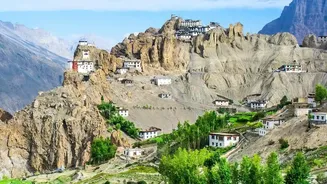
At the heart of this emerging route lie the Saspol Caves, also known as Gon-Nila-Phuk. Perched on a steep cliffside about 60 kilometres from Leh, these rock-cut temples are one of Ladakh's best-kept secrets. Reaching them involves a challenging but rewarding hike that offers panoramic views of the Indus Valley. Inside, visitors are transported back in time. The caves house a treasure trove of Buddhist wall paintings dating back to the 13th to 15th centuries. These vibrant murals, depicting various deities and mythological scenes, are rare surviving examples of their kind and showcase the artistic and spiritual legacy of the Drikung Kagyu school of Tibetan Buddhism. Though time and weather have taken their toll, conservation efforts are underway to protect these fragile masterpieces for future generations.
The Artistic Corridor: From Alchi to Likir
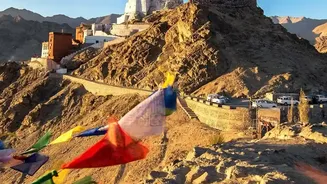
The journey doesn’t end at Saspol. The trail connects seamlessly to other cultural powerhouses of the region. Nearby Alchi Monastery, a UNESCO World Heritage site candidate, is renowned for its magnificent 11th-century murals, which display a unique Kashmiri artistic influence. Unlike most Ladakhi monasteries built on hilltops, Alchi is situated on the plains, offering a different and serene atmosphere. Further along the route is Likir Monastery, with its imposing 75-foot-tall statue of Maitreya Buddha that can be seen from miles away. The monastery itself houses a collection of old manuscripts, thangkas, and religious artefacts. Linking these sites creates a cohesive heritage trail where travellers can trace the evolution of Buddhist art and architecture through the centuries.
Art In the Open-Air Gallery
Complementing these ancient sites is a contemporary art movement that turns the landscape into a gallery. The recently concluded sā Ladakh Biennale, for instance, transformed a 200-kilometre stretch from Leh to Kargil into an open-air exhibition. This regenerative art festival featured installations spread across eight locations, including Likir and Basgo, encouraging visitors to engage with modern art that responds to the environment, culture, and community. The use of locally sourced and biodegradable materials highlights a commitment to sustainability. This initiative reimagines the journey itself as a cultural experience, where art isn't confined to a museum but is discovered against the dramatic backdrop of the mountains and within historic villages.
Sustainable Travel with a Purpose
This new focus on cultural and art-based routes is more than just a new product for tourists; it represents a shift towards more sustainable and community-centric tourism. By guiding visitors to lesser-known areas, these initiatives help distribute the economic benefits of tourism more evenly. Many of these heritage walks and cultural tours are designed to be community-based, offering authentic interactions through homestays and local guides. This model not only provides a richer, more immersive experience for the traveller but also empowers local communities to preserve their unique heritage. It encourages a form of travel that is respectful of the fragile ecosystem and rich traditions of Ladakh, ensuring the region’s treasures can be appreciated for many years to come.