

The Lithium-Ion Bottleneck
The heart of nearly every electric vehicle today is a lithium-ion (Li-ion) battery. While effective, these power packs are a significant cost driver, often accounting for 40-50% of an EV's total price. The problem lies in the raw materials. Lithium, cobalt,
and nickel are not just expensive, but their supply chains are geographically concentrated and subject to geopolitical tensions. India has very limited domestic reserves of these critical minerals, making the country heavily dependent on imports. This reliance creates vulnerability to price volatility and supply chain disruptions, directly impacting manufacturing costs and, ultimately, the showroom price for Indian consumers.
Enter Sodium-Ion: The Abundant Alternative
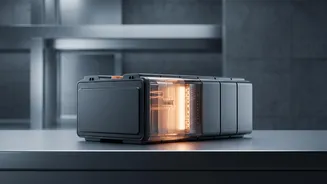
Sodium-ion (Na-ion) batteries work on a similar principle to their lithium-ion cousins but swap out the key ingredient. Instead of scarce lithium, they use sodium, an element that is over 500 times more abundant on Earth. The primary raw material for this technology is sodium carbonate, or soda ash, which is dramatically cheaper and readily available worldwide, including in India. This fundamental shift from a scarce, imported mineral to a plentiful, domestic one is the core of the sodium-ion advantage, aligning perfectly with national goals like 'Atmanirbhar Bharat' (self-reliant India).
Slashing Costs Through Materials and Manufacturing
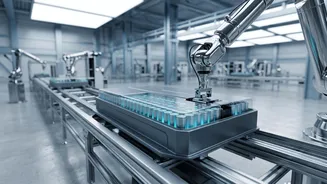
The cost reduction with sodium-ion technology is multi-faceted. Firstly, the raw material itself is significantly cheaper and less volatile in price. Secondly, the battery's construction offers further savings. Na-ion cells can use aluminium for current collectors on both the anode and cathode, whereas Li-ion cells require more expensive copper on the anode side. Thirdly, many Na-ion batteries eliminate the need for costly and controversial cobalt. A major advantage for manufacturers is that Na-ion cells can be produced on existing Li-ion manufacturing lines, which drastically reduces the need for new capital investment and simplifies the industrial transition. Some estimates suggest that at scale, Na-ion battery packs could be 20-40% cheaper to produce than their Li-ion equivalents.
A Boost for the Domestic Supply Chain
Adopting sodium-ion technology strengthens India's entire domestic value chain. India’s well-established chemical industry is capable of supplying many essential components for these batteries. Furthermore, innovative Indian companies are creating key materials from local sources. For instance, companies like Indi Energy are developing high-performance hard carbon—a critical anode material—from agricultural waste like crop stubble, which is infamously burned in parts of the country. This not only creates a valuable product from waste but also provides an additional income stream for farmers. This creates a circular economy, turning a pollution problem into a key component for the nation's energy independence.
Performance, Safety, and the Right Application
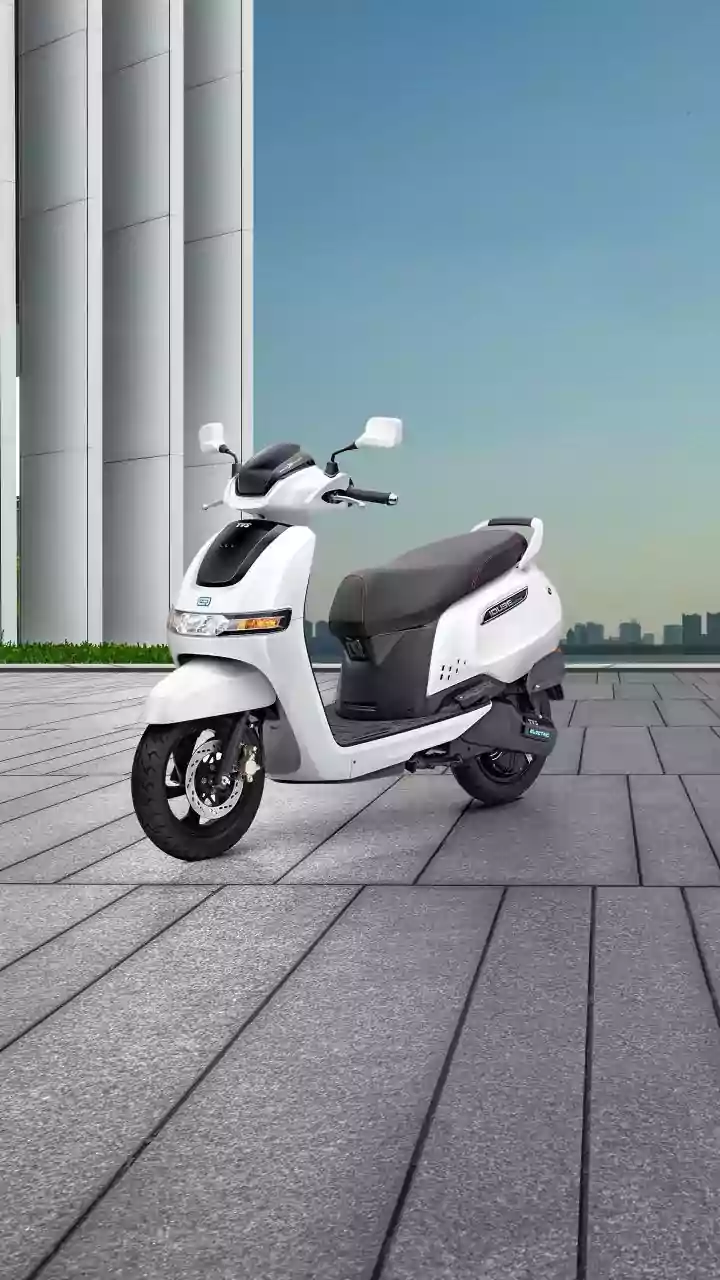
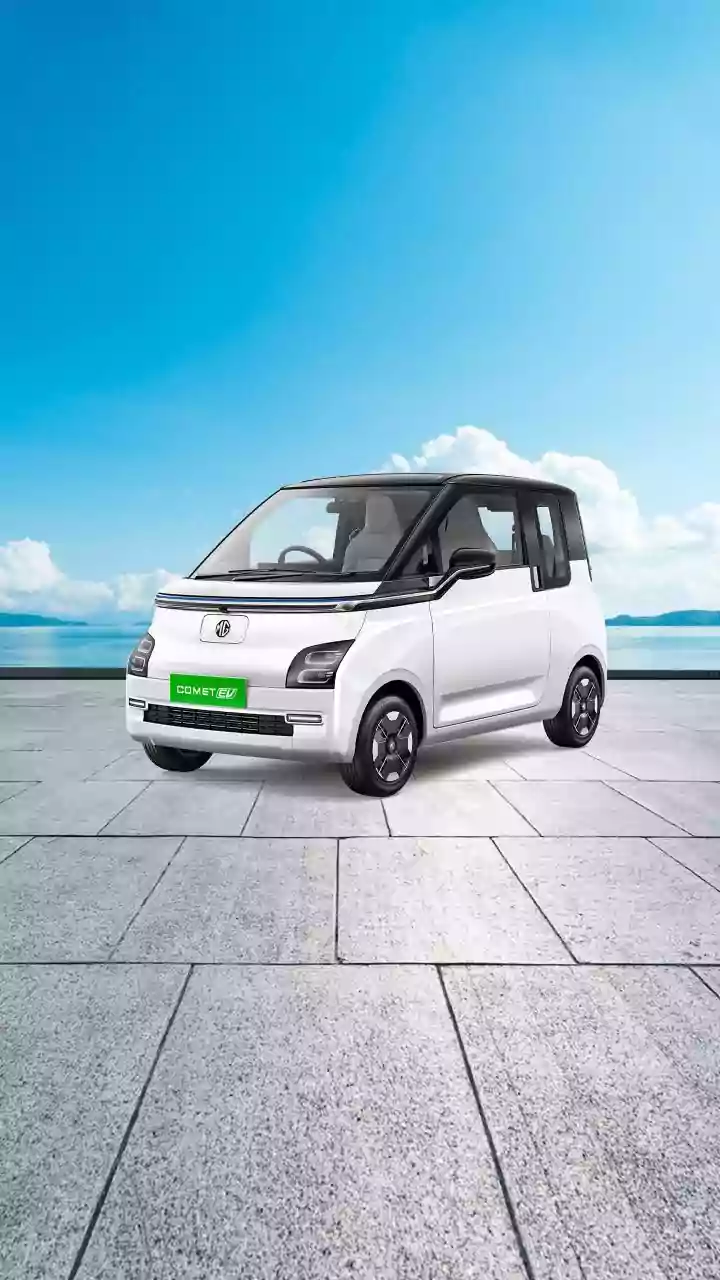
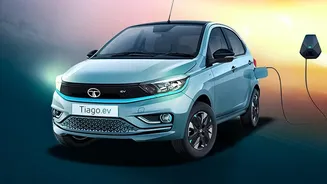
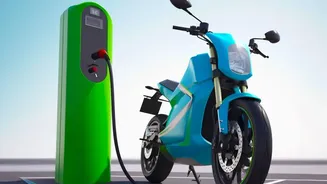
Cost isn't the only factor; performance matters. Currently, sodium-ion batteries have a lower energy density than most Li-ion batteries, meaning they store less energy for the same weight. This makes them less ideal for long-range, high-performance luxury EVs. However, they are a perfect fit for a massive segment of the Indian market: two-wheelers, three-wheelers, and affordable, compact city cars where daily travel distances are predictable. For these applications, a slightly lower range is a worthy trade-off for a significantly lower price. Moreover, Na-ion batteries offer key advantages, including better performance in a wide range of temperatures and superior safety, with a lower risk of thermal runaway.