


The Rise of the Solo Diner
Not long ago, asking for a “table for one” in Delhi often felt like an apology. Diners might have felt the need to explain a friend was running late or that their partner had cancelled. This sense of self-consciousness stemmed from a dining culture largely
built around groups and families. But a significant shift is underway across the National Capital Region. Prompted by changing lifestyles, a growing number of young professionals, and a cultural pivot towards personal time, solo dining is no longer an exception but an emerging market. Restaurateurs are now seeing these individuals not as an operational compromise, but as a valued segment of their clientele who deserve a tailored experience. This change is particularly noticeable in NCR's corporate hubs like Gurugram and Noida, where professionals have helped normalize the culture of eating out alone.
Rethinking the Restaurant Space
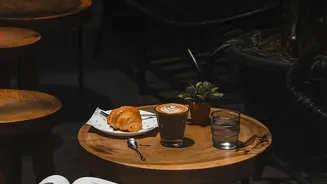
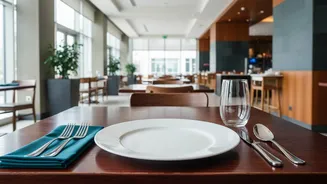
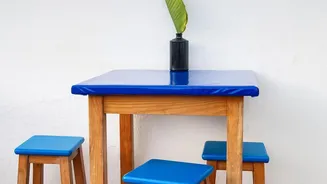
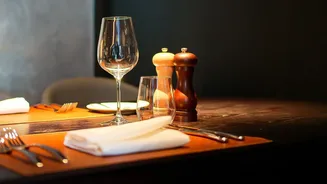
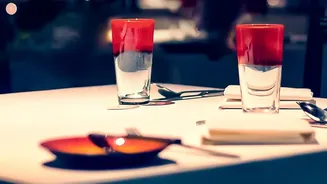
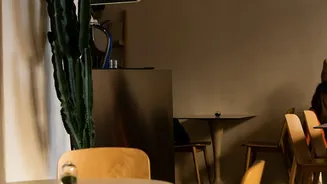
To make solo diners feel genuinely welcome, restaurants are rethinking their physical layouts. The focus is on creating spaces where an individual can feel immersed in the experience rather than awkwardly occupying a table meant for four. This goes beyond simply offering a seat at the bar. Establishments are now incorporating more counter seating, communal tables, and cosy nooks designed for one. High-end restaurants like Indian Accent have long offered chef's counters that provide a front-row culinary show, perfect for a single guest. Similarly, Japanese restaurants with their traditional sushi bars and izakaya-style seating naturally accommodate individuals. In more casual settings, cafes are creating community spaces where working, reading, or people-watching alone feels completely normal. The goal is attentive, non-intrusive service where staff are trained to read the guest, understanding that some may want privacy while others might appreciate a brief conversation.
A Menu for Me, Myself, and I
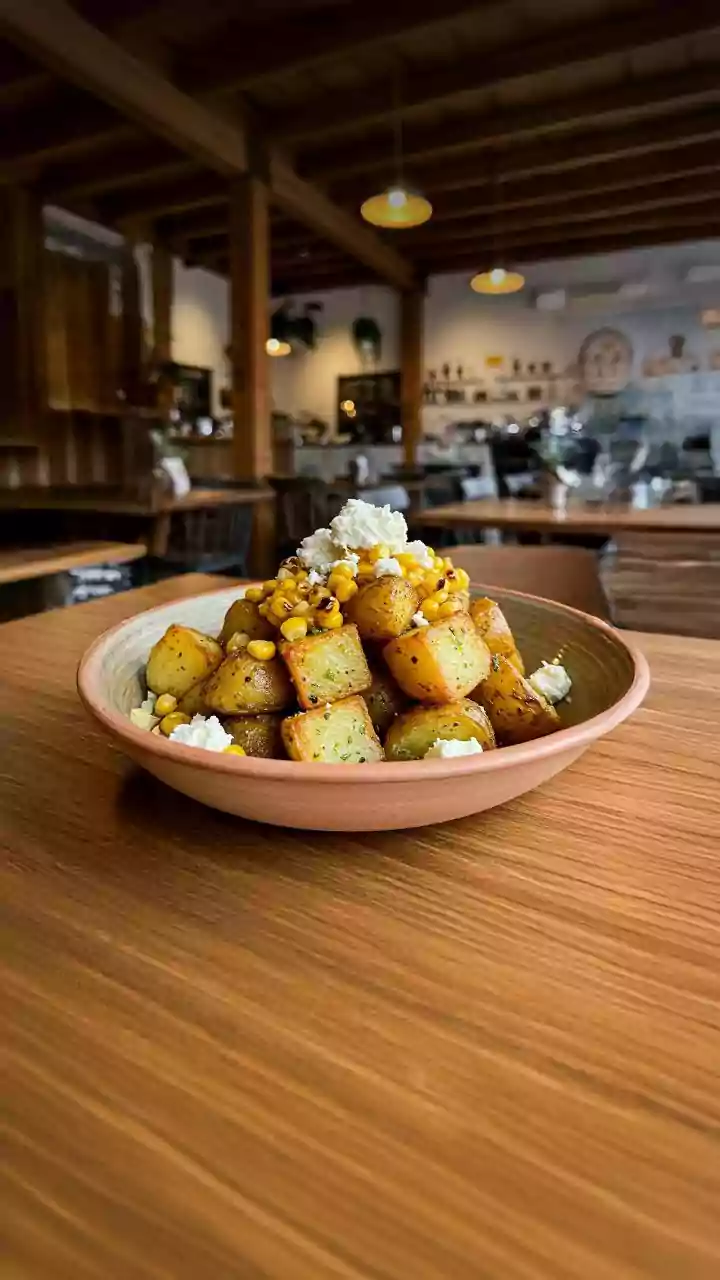
Perhaps the most significant adaptation is happening on the menu. Large, shareable platters can be frustrating for a solo diner. In response, chefs and restaurateurs are consciously introducing smaller, tasting-style portion sizes that allow individuals to sample multiple dishes without over-ordering or over-spending. Restaurants like Comorin in Gurugram have adopted this approach, recognizing that dining out is increasingly seen as a form of self-care. Zuru Zuru in Shahpur Jat even offers half-servings of its popular ramen for the same reason. This trend aligns with a broader movement in the food industry towards lighter, healthier options and more calibrated portion sizes, partly influenced by a rise in health-conscious consumers. Some restaurant groups are even developing menus with high-protein, lower-carbohydrate plates to cater to this evolving palate.
The Business of Dining Alone
Embracing the solo diner isn't just about good hospitality; it's a savvy business move. Studies from the global restaurant industry show that solo diners are a rapidly growing demographic. One report noted that solo orders now account for nearly half of all dining occasions. Furthermore, individuals dining alone often turn tables faster and may even spend more per person, as they are more receptive to upselling on items like premium drinks or desserts without needing group consensus. In a competitive market like the NCR, efficiently seating a solo guest at a smaller table, a counter, or a communal space is far more profitable than leaving a four-top empty. As one chef noted, solo guests are no longer seen as “dead space” but as an important part of a vibrant dining culture.