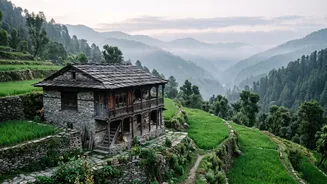


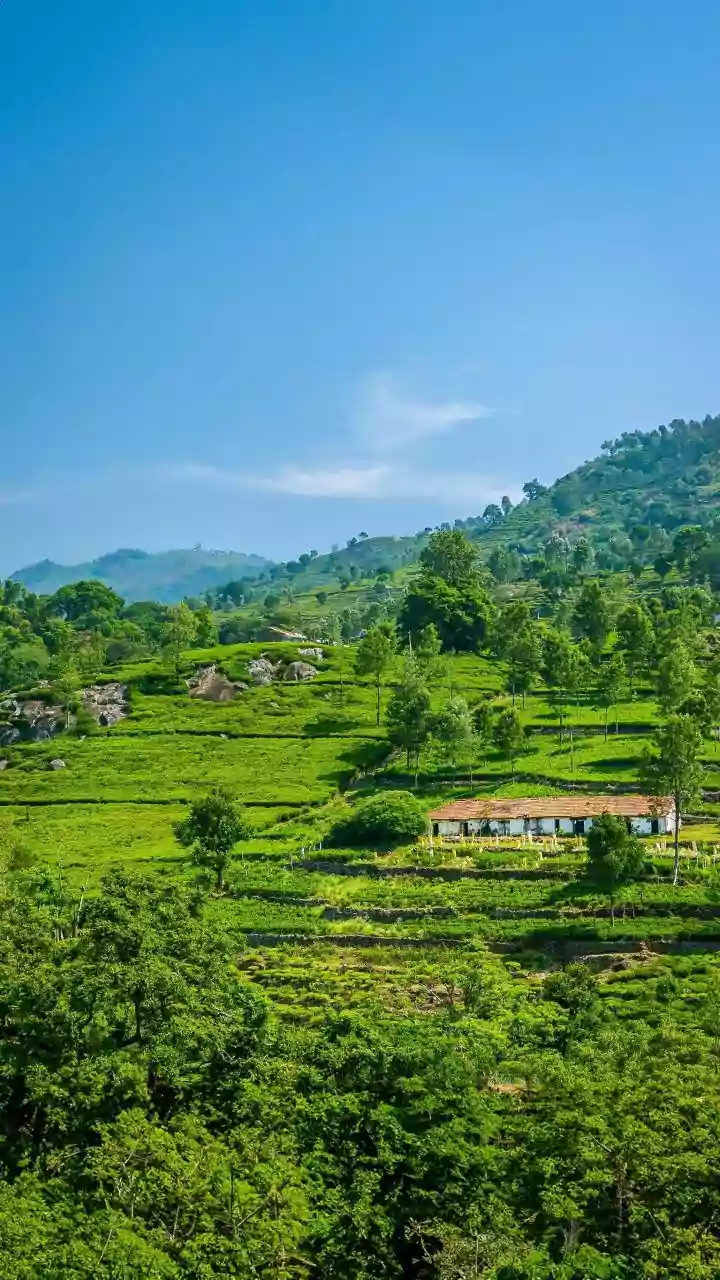

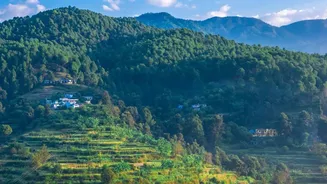

Imagine a morning where the first light spills over the Himalayan foothills and the only sound is a chorus of birdsong. In the quiet forest villages of Uttarakhand, this isn't a dream; it's a daily rhythm that offers a profound sense of calm.
The Symphony of the Kumaon Hills
Uttarakhand,
often called 'Devbhoomi' or Land of the Gods, is home to over 700 species of birds, making it a world-class destination for birdwatching. The real magic, however, lies beyond the numbers. In the Kumaon region, hamlets like Pangot, Sattal, and Bhimtal are gateways to an experience that merges nature with mindfulness. The crisp mountain air, the rustle of oak and rhododendron leaves, and the vibrant flash of a Red-billed Leiothrix create a sensory tapestry that gently pulls you into the present moment. These trails aren’t just about spotting rare birds; they are about immersing yourself in an ancient, living ecosystem that hums with life.
Finding Stillness Through a Lens
The act of birdwatching is, in itself, a meditative practice. It requires patience, quiet observation, and a focus that filters out the noise of daily life. As you wait for a glimpse of a Himalayan Griffon soaring above or listen for the distinct call of a Blue-throated Barbet, your mind naturally settles. This active form of stillness is what many visitors seek. The goal shifts from simply seeing a bird to truly observing its behaviour in its natural habitat. This deep listening and patient watching fosters a connection with the environment that is both grounding and restorative, offering a genuine escape from urban stress. The forests here don’t just host birds; they offer a sanctuary for the soul.
Spotlight on the Trails: Where to Begin
For those starting their journey, the area around Sattal, which means 'seven lakes', is a perfect introduction. Its interconnected freshwater lakes are a haven for over 250 bird species, including kingfishers, forktails, and various woodpeckers. A short drive away, the village of Pangot is legendary among birders. The quiet trails here, winding through dense oak forests, are prime habitats for pheasants like the Kalij and Koklass. For a more off-the-beaten-path experience, the forests around Jageshwar and Munsiyari offer serene trails where you might spot a Greater Yellownape or a Brown Dipper by a stream, often with few other people in sight.
Community, Conservation, and Homestays
What makes birding in these villages truly special is the role of the local community. A growing number of community-based tourism initiatives and village homestays allow visitors to experience authentic Kumaoni hospitality. Staying in a village like Kunja or in a homestay within the Binsar Wildlife Sanctuary means waking up to birdsong right at your window. Local guides, many of whom have grown up in these forests, possess an unparalleled knowledge of the terrain and its avian residents. This model of ecotourism not only provides a richer, more authentic experience for travellers but also creates sustainable livelihoods for villagers, giving them a direct stake in conserving the forests they call home.
Your First Birding Trip: Essential Tips
The best time for birdwatching in this region is generally from October to June, with different seasons offering unique sightings. Winter brings migratory birds to the foothills, while spring sees the forests burst into colour with rhododendron blooms and breeding plumage. Pack a good pair of binoculars, a field guide to Himalayan birds, and comfortable walking shoes. Dress in muted colours to blend in with the surroundings. Most importantly, hire a local guide. Their expertise will transform your trip from a simple walk in the woods to an unforgettable lesson in the secret lives of birds, all while ensuring your tourism benefits the local economy directly.