
The Science of Food Synergy
You’ve chosen your ingredients carefully: lentils, leafy greens, and whole grains. But did you know that your body might only absorb a fraction of the nutrients they contain? This concept is known as bioavailability—the proportion of a nutrient that is absorbed
from the diet and used for normal body functions. Many factors can influence bioavailability, from how you cook your food to what you eat alongside it. In plant-based diets, this is especially important for minerals like iron, which can be harder for the body to access compared to the iron from animal sources. This is where food synergy comes in, using smart pairings to help your body unlock and absorb more of the goodness packed into your meals.
The Real Connection: Vitamin C and Iron
While the headline mentions plant protein, the most powerful and well-documented interaction is between Vitamin C and a crucial mineral found in many plant protein sources: iron. Plant-based foods like lentils, chickpeas, and spinach contain a type of iron called non-heme iron. This form is notoriously less available for absorption than the heme iron found in meat. Our bodies struggle to absorb non-heme iron efficiently, especially when meals contain compounds called phytates (found in grains and legumes) and polyphenols (in tea and coffee), which can block its uptake. This is a primary reason why some individuals on plant-based diets may need to pay closer attention to their iron levels. The good news is that a simple addition to your meal can dramatically change this equation.
How Vitamin C Works Its Magic
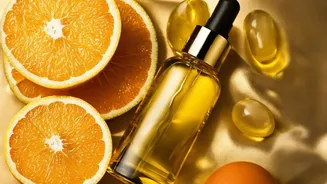
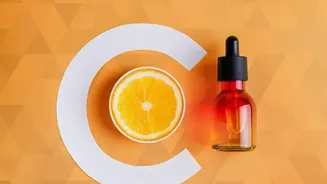
Think of Vitamin C as the key that unlocks non-heme iron. Chemically, most non-heme iron exists in a form (ferric, or Fe³⁺) that our intestines find difficult to absorb. Vitamin C (ascorbic acid) acts as a powerful reducing agent, converting this iron into a much more soluble and absorbable form (ferrous, or Fe²⁺). It essentially transforms the iron into a state your body can readily use. Furthermore, Vitamin C forms a protective bond with the iron in the gut. This prevents it from getting tied up by inhibitors like phytates, ensuring it remains available for absorption as it moves through your digestive system. Studies show that adding even a modest amount of Vitamin C to a meal can increase non-heme iron absorption several times over.
Your Plant-Based Protein & Iron Champions
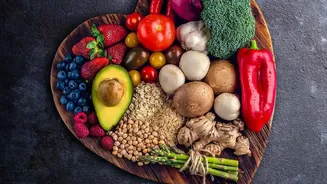
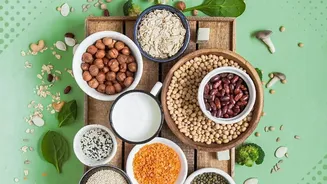
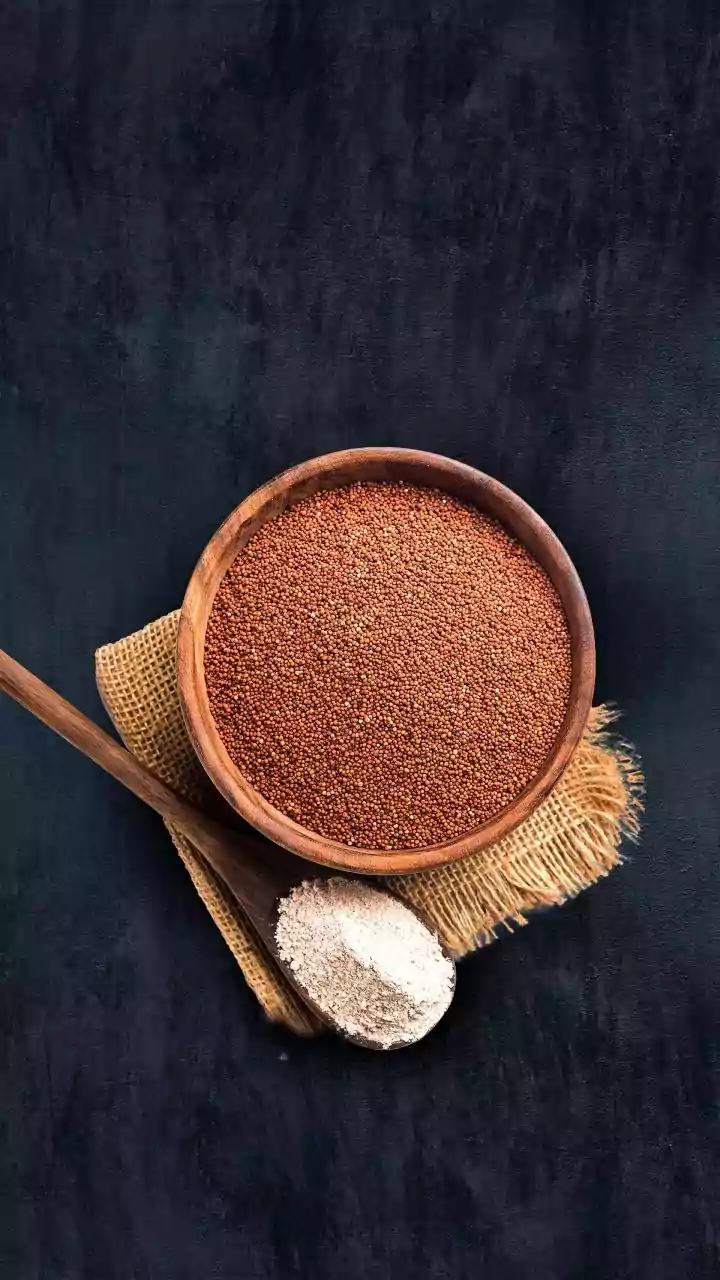
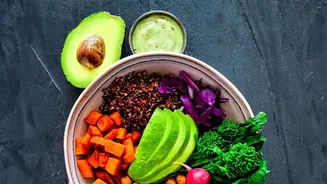
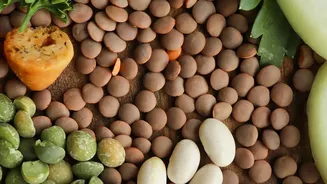
To leverage this nutritional hack, you first need to know your key players. Many of India’s favourite dietary staples are excellent sources of both plant protein and non-heme iron. Stocking your pantry with these ingredients is the first step toward building a more bioavailable meal. Look for lentils (dal), chickpeas (chana), kidney beans (rajma), black-eyed peas (lobia), tofu, tempeh, spinach (palak), pumpkin seeds, and quinoa. These foods form the foundation of a nutrient-dense, plant-forward diet and are the perfect canvas for adding a boost of Vitamin C.
The Best Sources of Vitamin C
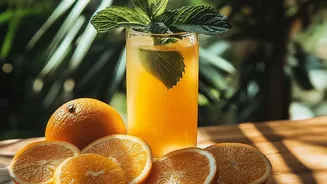
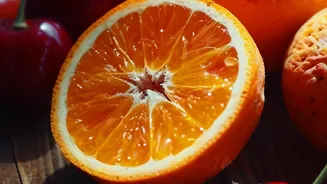
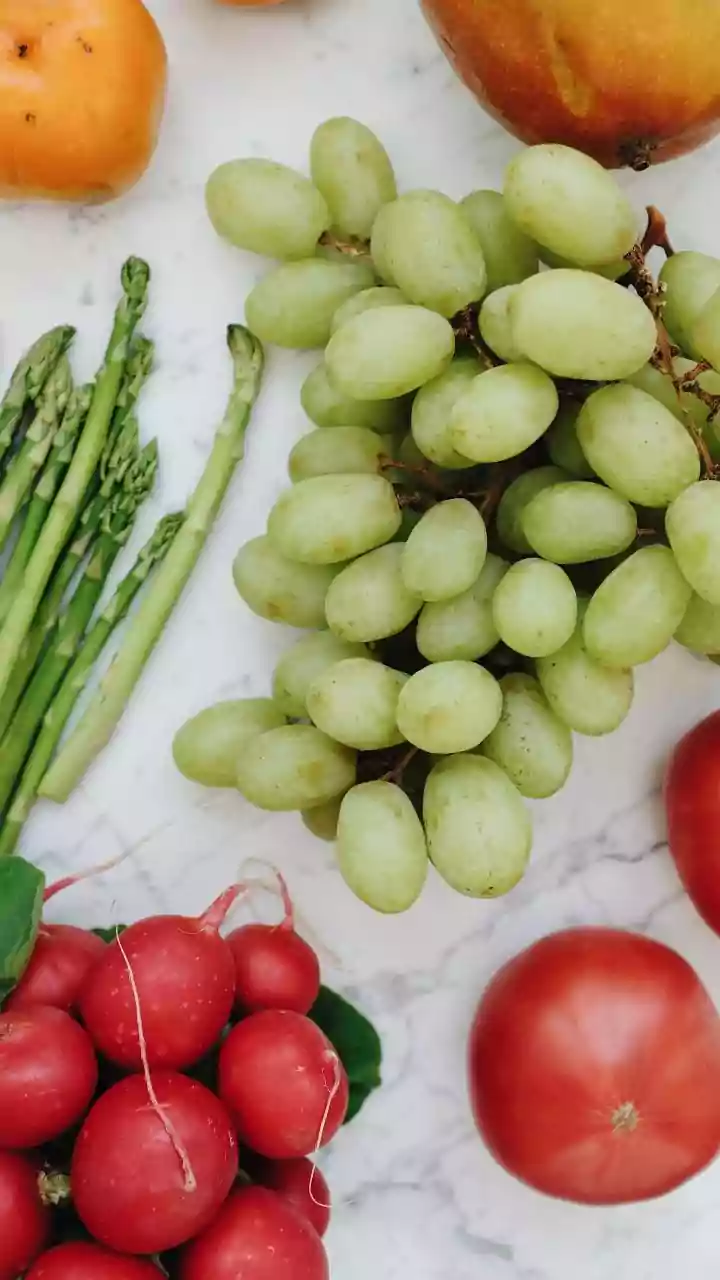
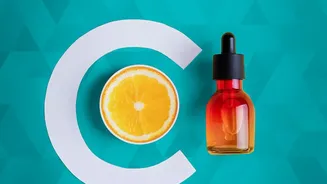
Pairing your iron-rich meals with a vibrant source of Vitamin C is the secret. Luckily, these foods are delicious and easy to incorporate. Excellent sources include citrus fruits like oranges, lemons, and limes, as well as amla (Indian gooseberry), guava, and papaya. Don't overlook vegetables either; bell peppers (especially red and yellow), tomatoes, broccoli, and dark leafy greens are packed with this essential vitamin. Remember that Vitamin C can be degraded by heat, so adding it raw or with minimal cooking is often best. A fresh squeeze of lemon juice or a side of raw tomato and onion salad can make a significant difference.
Smart Pairings for Everyday Meals
Putting this into practice is simple and delicious. The goal is to have a source of non-heme iron and a source of Vitamin C on the same plate. Think about adding a generous squeeze of lemon juice over your dal or lentil soup. Prepare a chana masala or rajma curry using a rich tomato and onion base. Try a spinach and chickpea salad with a dressing made from lemon juice and olive oil. Snacking on hummus? Use bell pepper strips for dipping instead of just pita. Even adding finely chopped coriander and a slice of lime to your plate can contribute. For breakfast, a bowl of oatmeal with seeds can be topped with fresh strawberries or kiwi. These small adjustments transform a good meal into a great one, nutritionally speaking.