






The New Digital Essential
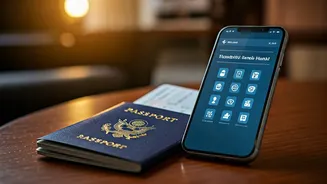
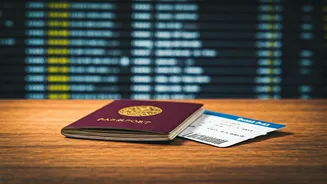
The travel checklist used to be simple: passport, tickets, sunscreen. Now, a new item has arguably become just as essential: a constant stream of information. This isn't just about checking flight delays. Modern 'alert-checking' is a complex behaviour
involving real-time updates on everything from local health advisories and political instability to extreme weather events, transit disruptions, and even crowd-sourced crime reports. Apps that provide dynamic, instant notifications are replacing static, months-old government advice. This shift marks a move from passive awareness to active, in-the-moment risk management for the everyday tourist.
A Perfect Storm of Anxiety
So, why has this hyper-vigilance become the new norm? The reasons are layered. The post-pandemic world left travelers with heightened health awareness and a familiarity with QR codes and contact-tracing apps. Add to this the increasing frequency of extreme weather events fueled by climate change, and a geopolitical landscape that feels more volatile and unpredictable. A 24/7 news cycle and the very design of our smartphones have also conditioned us to feel anxious when we're not checking for updates. Psychologists note that every notification, even if unimportant, triggers a dopamine hit in our brains, creating a compulsion to check. This creates a state of near-constant partial attention, which is mentally exhausting.
From Personal Safety to Public Feed
The 'travel feed'—our curated collection of holiday moments on social media—is also evolving. Where it once exclusively showcased idyllic sunsets and carefree smiles, it now often includes a subtext of preparedness. Sharing a screenshot of a weather warning or a travel advisory can act as a form of social signaling; it tells followers, "I am a smart, responsible traveler." However, this public performance of safety comes with its own risks. Security experts consistently warn against posting real-time location information, as it can make your empty home a target for burglary or expose you to being tracked. Many now advise waiting until you’ve returned home to post your vacation photos, turning the travel feed into a retrospective rather than a live diary.
The Tools of Constant Connection
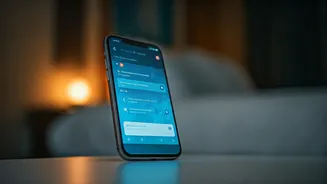
An entire ecosystem of technology has emerged to service this need for information. Beyond airline and weather apps, travelers now use sophisticated tools that offer AI-powered safety analysis, community-driven safety reports, and SOS panic buttons that alert emergency contacts. Apps like the U.S. State Department's SmartTraveler provide updates on political instability or disease outbreaks, while others use AI to scrape local news and forums for underreported threats. This technology provides an undeniable layer of security, especially for solo travelers. The promise is control—the ability to route around a protest or get ahead of a transit strike. The question is what this state of constant readiness does to the soul.
The Psychological Cost of Vigilance
The primary purpose of a vacation is to rest and recover. Psychologically, this requires the brain's 'rest and digest' system to activate, which can't happen effectively when we're in a state of continuous alertness. Constantly checking alerts, even for valid reasons, keeps our minds in a state of 'anticipatory stress,' which erodes the restorative benefits of travel. Research shows that even when we don't act on a notification, its mere arrival is enough to fracture our attention. Being physically away while remaining mentally tethered to a feed of potential threats means we are, in essence, just relocating our stress instead of escaping it.
Finding a Healthier Balance
This doesn't mean we should travel uninformed. The world is complex, and staying aware is prudent. The solution lies in managing the flow of information. Instead of constant, reactive checking, experts suggest setting specific times—once in the morning and once in the evening—to review any necessary updates. Curate your sources, relying on a few trusted alert systems rather than doomscrolling through social media. Disable non-essential notifications and consider appointing one person in your travel group as the 'designated checker' for the day. This allows others to fully disconnect, knowing that critical information will still be addressed. The goal is not to eliminate risk, but to manage it without sacrificing the mental peace that makes travel worthwhile.