





A Village's Celestial Bet
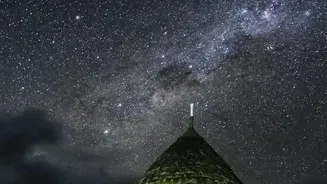
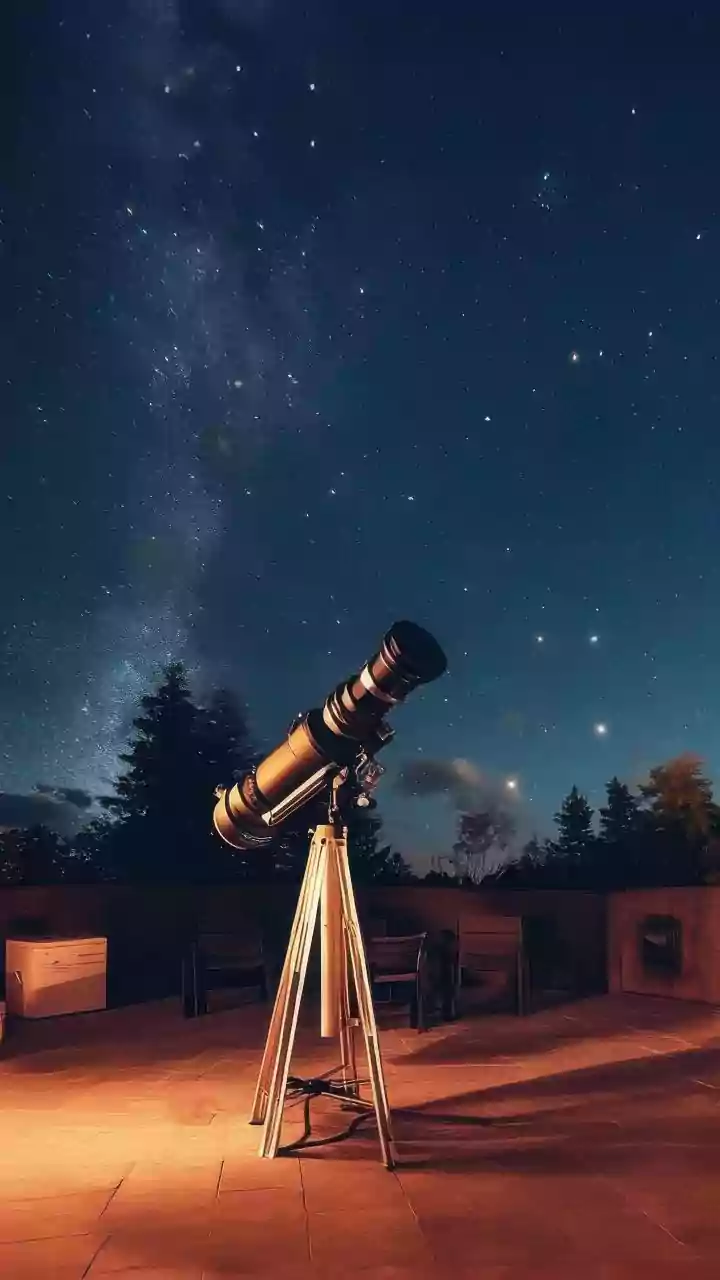
In the remote Surgana taluka of Nashik, the tribal village of Udmal is making a unique wager. While cities across India grapple with ever-brightening nights, Udmal is embracing its natural darkness. The village is on a path to become Maharashtra's first
certified Dark Sky Community, a designation awarded to places that actively work to minimise light pollution. This is not just about pretty views; it's a calculated move towards sustainable development. The district administration has sanctioned ₹42.1 lakh for a project aimed at protecting the night sky, fostering astro-tourism, and creating new livelihoods for the local tribal community. The village's Gram Sabha has already passed a resolution to adopt scientifically planned, environmentally friendly outdoor lighting, ensuring that development doesn't come at the cost of their most valuable asset: the stars.
The Rising Cost of Light
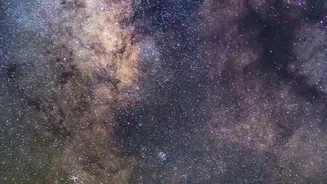
Udmal's initiative stands in stark contrast to the reality in India's urban centres. For hundreds of millions of Indians, the night sky is disappearing. Cities like Mumbai, Delhi, and Bengaluru are now so bright that their artificial glow, or 'skyglow', can be seen from over 100 kilometres away, obliterating all but the moon, planets, and a few dozen stars. In some areas, the night is over 40 times brighter than it should be naturally. This rampant light pollution isn't just an aesthetic loss. It's a growing environmental and health crisis. It disrupts ecosystems by harming nocturnal animals and migratory birds that navigate by starlight. For humans, excessive exposure to artificial light at night is linked to disrupted sleep cycles and an increased risk of serious health issues. Despite these impacts, India currently has no national laws to regulate light pollution.
The New Dawn of Astro-Tourism
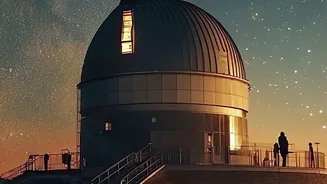
The dimming of city skies has created a powerful craving for authentic darkness, fuelling a new travel trend: astro-tourism. People are increasingly travelling to remote locations simply to see a natural night sky. India, with its vast and varied landscapes, is perfectly poised to meet this demand. The movement is gaining official recognition and support. In 2022, Hanle in Ladakh became India's first International Dark Sky Reserve, a world-class site for astronomers and tourists alike. In early 2024, Pench Tiger Reserve in Maharashtra was designated the country's first Dark Sky Park, integrating stargazing with wildlife conservation. More recently, in early 2026, Tamil Nadu launched its own Dark Sky Park in the Kolli Hills. Udmal's community-led initiative is the latest and perhaps most grassroots example of this growing trend, part of a larger plan in Maharashtra that has identified 11 potential dark-sky sites.
More Than Just Telescopes
What Udmal and other similar projects offer is more than just a chance to look through a telescope. They represent a more conscious way of travelling. By choosing these destinations, visitors directly support community-led conservation and sustainable economies. The Udmal project, implemented with the NGO Astronera, includes not just installing responsible lighting but also conducting night-sky quality assessments and providing technical training to local youth. This model ensures that the economic benefits of tourism flow back into the community, empowering them to be the guardians of their own environment. It’s a form of tourism that regenerates, rather than extracts, offering a meaningful connection to a place and its people, all under a canopy of brilliant stars.