






Your Daily UPI Payments Are Still Free
First, let's clear the air. The core function of UPI that millions of Indians use daily remains completely free of charge. Person-to-person (P2P) transfers—sending money to friends or family—are not affected, regardless of the amount. Similarly, most
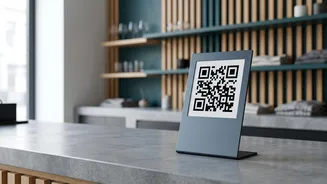
person-to-merchant (P2M) transactions, like paying for groceries or a cup of chai by scanning a QR code linked directly to a bank account, also remain free. The Ministry of Finance and the National Payments Corporation of India (NPCI) have both clarified that consumers will not face transaction charges for their regular UPI use. This ensures that the convenience and affordability that made UPI a national success story are preserved for the average user.
So, What Is This New Fee?
The change that has caused the stir is the introduction of a Merchant Discount Rate (MDR) on certain types of merchant transactions. Specifically, this fee applies only when a payment of over ₹2,000 is made to a merchant using a UPI-linked wallet or other Prepaid Payment Instrument (PPI). It is not a blanket fee on all UPI transactions. Think of it this way: UPI allows you to pay from two different sources—directly from your bank account or from a pre-loaded digital wallet (like a Paytm or PhonePe wallet). The new fee only applies to the second category, and only for transactions above the ₹2,000 threshold.
Who Actually Pays This Fee?
Crucially, this MDR is paid by the merchant, not the customer making the payment. The fee is set at 0.4% for most merchant transactions exceeding ₹2,000, with a cap of ₹300 per transaction for very large amounts. The revenue from this fee is then distributed among the players in the payment ecosystem, such as the banks and the wallet providers (the PPI issuers). While there are concerns that merchants might pass this cost on to customers, they are officially prohibited from doing so. The intent is for businesses to absorb this as an operational cost, similar to fees associated with credit card terminals.
Why Was This Change Necessary?
For years, the UPI ecosystem has operated on a zero-MDR model to encourage widespread adoption. While this was incredibly successful, it put a financial strain on payment service providers and banks who bear the costs of building and maintaining the vast infrastructure, ensuring cybersecurity, and driving innovation. With UPI processing billions of transactions monthly, the system needed a sustainable financial model. This new, targeted MDR on higher-value PPI merchant payments provides a revenue stream for these companies, ensuring they can continue to invest in and support the UPI network's growth and security without charging end users. It makes the entire digital payments ecosystem more self-reliant and financially healthy in the long run.
The Difference Between Bank and Wallet Payments
The distinction between a UPI payment from a bank account and one from a PPI wallet is key. A direct bank transfer on UPI is a simple, low-cost transaction between two bank accounts. A wallet payment involves an intermediary—the wallet company—which incurs costs for providing its service. They manage the digital balance, facilitate the transaction, and often provide additional features like cashback and offers. The MDR is essentially a fee to compensate these PPI issuers for the service theyv provide in the payment chain for commercial transactions. For the user, the experience might feel the same, but the backend process and cost structure are different, which is why the fee applies to one and not the other.