





Rethinking Daily Hydration
The long-standing advice to drink eight glasses of water per day is a useful guideline, but it's not the complete picture. Our bodies need a certain amount of total fluid, which comes from both beverages and food. In fact, experts estimate that roughly
20% of our daily water intake comes from the solid foods we eat. This concept of 'eating your water' is a powerful and enjoyable way to supplement the water you drink, ensuring your body gets the H2O needs to function optimally. From regulating body temperature to aiding digestion and transporting nutrients, proper hydration is key to overall health.
The Added Benefits of 'Eating' Your Water
When you get water from foods like fruits and vegetables, you're getting more than just liquid. These foods contain a matrix of fibre, which helps the body absorb water more slowly. This slow absorption means the hydrating effects can last longer compared to drinking a glass of water that might pass through your system more quickly. Furthermore, these foods are packed with essential vitamins, minerals, and antioxidants that support overall health. They also provide electrolytes like potassium and magnesium, which are crucial for maintaining fluid balance, muscle function, and nerve signals.
The Champions: Cucumber and Watermelon
The headline heroes, cucumber and watermelon, are true hydration superstars. Cucumber boasts the highest water content of almost any solid food, coming in at about 95-96%. It's incredibly refreshing, low in calories, and versatile enough to be added to salads, raitas, or simply eaten as a cooling snack. Watermelon is not far behind, with a water content of around 92%. Beyond just water, it's a fantastic source of vitamins A and C, as well as lycopene, a powerful antioxidant linked to reducing cell damage. A cup of watermelon provides not just hydration but a sweet, nutrient-dense treat.
Beyond the Obvious Choices
While cucumbers and melons are excellent, many other common foods can significantly boost your hydration. Tomatoes are about 94-95% water and packed with nutrients. Leafy greens like spinach (91-93%) and lettuce (95%+) are also fantastic sources. Don't forget about fruits like strawberries (91%), oranges (87%), and cantaloupe (90%), all of which contribute to your fluid intake while providing fibre and vitamins. Even dairy products like plain yoghurt (dahi) and cottage cheese (paneer) have high water content, at around 88% and 80% respectively, making them great additions to a hydrating diet.
Simple Ways to Incorporate More Hydrating Foods
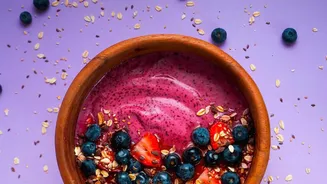
Integrating these foods into your daily meals is easier than you think. Start your day with a bowl of oatmeal topped with berries or a side of melon. For lunch, opt for a large salad with a base of lettuce and spinach, topped with cucumber, tomatoes, and bell peppers. Snack on orange slices, celery sticks with hummus, or a bowl of dahi. Soups and broths are another excellent way to increase fluid intake, especially during cooler evenings. By making colourful, water-rich fruits and vegetables a central part of every meal, you not only enhance the flavour and nutritional value of your diet but also effortlessly work towards your daily hydration goals.