






The Science of Digestive 'Fire'
Your digestive system is a finely tuned engine that works best under specific conditions. Central to this process are digestive enzymes, which are proteins that act as catalysts to break down fats, proteins, and carbohydrates into smaller, absorbable
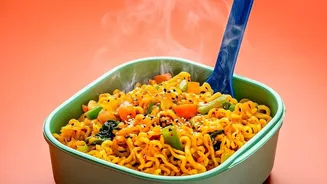
nutrients. These enzymes have an optimal temperature to function efficiently: around 37°C (98.6°F), which is our normal internal body temperature. When you consume cold foods or iced drinks, your body must first expend energy to warm them up to this core temperature before digestion can properly begin. This initial warming phase can potentially slow down the entire digestive process from the start.
A Nod to Ancient Wisdom
Traditional medicinal systems like Ayurveda and Traditional Chinese Medicine have long advocated for eating warm, cooked foods to support digestion. In Ayurveda, this concept is linked to 'agni', or the digestive fire. The thinking is that cold foods can dampen this fire, making it harder for the body to process meals and leading to symptoms like bloating or sluggishness. While the language is metaphorical, the underlying principle aligns with modern observations: the digestive tract thrives on warmth. These traditions suggest that cooked foods are partially broken down, requiring less effort from our bodies to extract nutrients.
How Warm Foods May Ease Digestion
Choosing warm foods can be particularly beneficial for those with sensitive digestive systems. Because the food is already close to the body's core temperature, less energy is diverted to warming it. This means your digestive enzymes can get to work more quickly and efficiently. Warmth also promotes vasodilation, or the widening of blood vessels. Better blood flow to the digestive tract can support gut motility and function, potentially easing discomfort. In contrast, very cold foods can cause blood vessels to constrict, which may temporarily reduce blood flow to the area and slow down the digestive process. For individuals with conditions like IBS, this difference can be quite noticeable.
Are Cold Foods Always a Bad Choice?
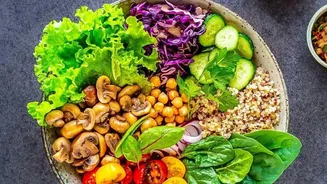
This doesn't mean you have to give up your favourite cold treats or salads forever. For most people with robust digestive systems, the body compensates for cold foods without any issue. The key is balance and listening to your body. A chilled bowl of fruit and yoghurt can provide valuable nutrients. However, if you consistently experience bloating, gas, or discomfort after eating cold meals, it might be a sign that your digestive system is working overtime. The issue isn't that cold food is inherently 'bad', but rather that it may pose a greater challenge for some, especially those with pre-existing digestive sensitivities.
Simple Swaps for a Warmer Diet
Incorporating more warmth into your diet doesn't require a complete overhaul. Start with small, simple changes. You could begin your day with a glass of warm water instead of cold. Opt for a bowl of oatmeal or a poached egg over a cold smoothie. At lunch, consider a hearty soup or a stew instead of a raw salad. Even lightly steaming or roasting vegetables can make them easier on your digestive system than eating them raw. Adding warming spices like ginger, cumin, and turmeric can also gently stimulate digestion. These simple adjustments can help support your digestive pathways without demanding a drastic change in your lifestyle.