







Why Humidity Is a Health Hazard
During the monsoon, relative humidity can soar to between 70% and 90%, creating an ideal environment for harmful microbes to multiply. This isn't just about musty smells or soggy biscuits; it's a significant health concern. Bacteria like E. coli and Salmonella,
along with various moulds, thrive in warm, damp conditions. These pathogens can contaminate food, kitchen surfaces, and cooking utensils, leading to a seasonal spike in food poisoning, diarrhoea, and other gastrointestinal infections. The Food Safety and Standards Authority of India (FSSAI) regularly issues advisories during this period, highlighting that the risk of foodborne diseases rises significantly with the increased moisture in the air.
Mastering Kitchen Airflow
Controlling the air in your kitchen is the first line of defence against humidity. Stagnant, moisture-laden air allows spores and bacteria to settle and grow. The simplest solution is to ensure proper ventilation. Use your exhaust fan not just while frying, but also when boiling water for tea or cooking rice, as steam is a major contributor to kitchen humidity. When the rain lets up, open windows and doors for at least 15-20 minutes daily to allow fresh, dry air to circulate and push out the damp indoor air. This simple act of airing out the space can dramatically reduce the moisture levels that microbes need to survive.
The Critical Importance of Dry Surfaces
Any puddle of water, even a small one, can become a microbial hotspot within 24-48 hours in a humid environment. This is why keeping kitchen surfaces scrupulously dry is non-negotiable during the monsoon. After washing dishes, take a moment to wipe down countertops, especially the areas around the sink, with a clean, dry cloth. Don't let water pool on surfaces. Pay close attention to your dish rack; the drip tray beneath it should be emptied and wiped dry daily. Similarly, wooden chopping boards and kitchen towels are notorious for trapping moisture. Dry your chopping board thoroughly after each use and consider replacing damp kitchen towels frequently or switching to a non-absorbent silicone drying mat to prevent mould growth.
Smarter Storage in Damp Conditions
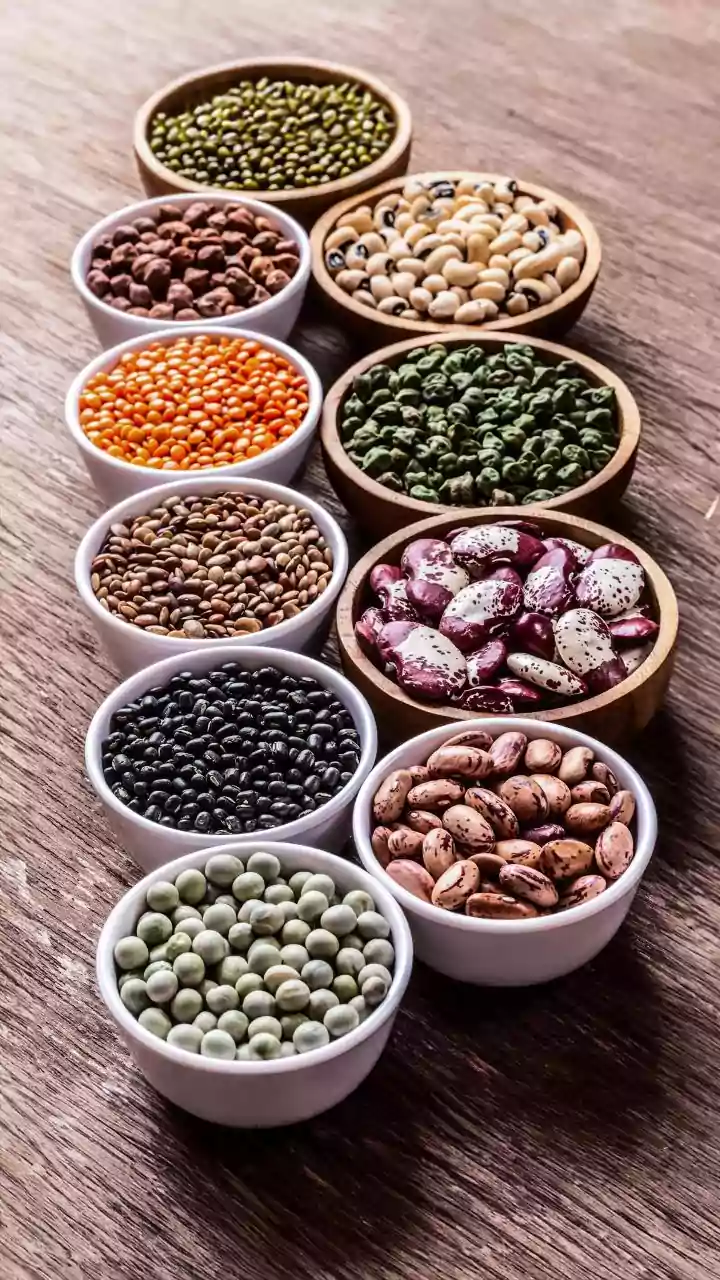
Airflow and dry surfaces are key, but your efforts can be undermined by improper storage. High humidity can turn crisp biscuits soggy and cause salt and spices to clump. More seriously, it can encourage mould growth in grains, flours, and pulses. Transfer all dry goods from their original packaging into high-quality airtight containers. Glass jars are an excellent choice as they provide a strong barrier against moisture. For an extra layer of protection in cupboards and pantries, you can place natural moisture absorbers like silica gel packets, a small bowl of baking soda, or a few cloves.
Beyond the Counter: Produce and Utensils
The principle of 'keep it dry' extends to your produce and utensils. After washing fruits and vegetables, dry them properly before storing them in the refrigerator. The FSSAI advises washing utensils thoroughly and, crucially, drying them completely before putting them away in cabinets. Storing even slightly damp utensils in a closed cabinet creates a musty, humid micro-environment perfect for fungal growth. Taking the extra minute to hand-dry plates and bowls with a clean cloth can prevent musty smells and keep your kitchenware hygienic.