





A Hunger for Authenticity
In an era of globalised palates and homogenised fast food, a powerful counter-movement is simmering across India. Younger diners, raised on a diet of international trends, are now actively seeking a connection to their roots through food. This isn't just
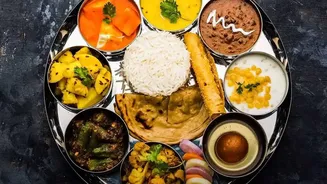
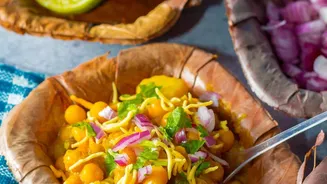
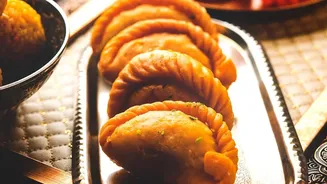
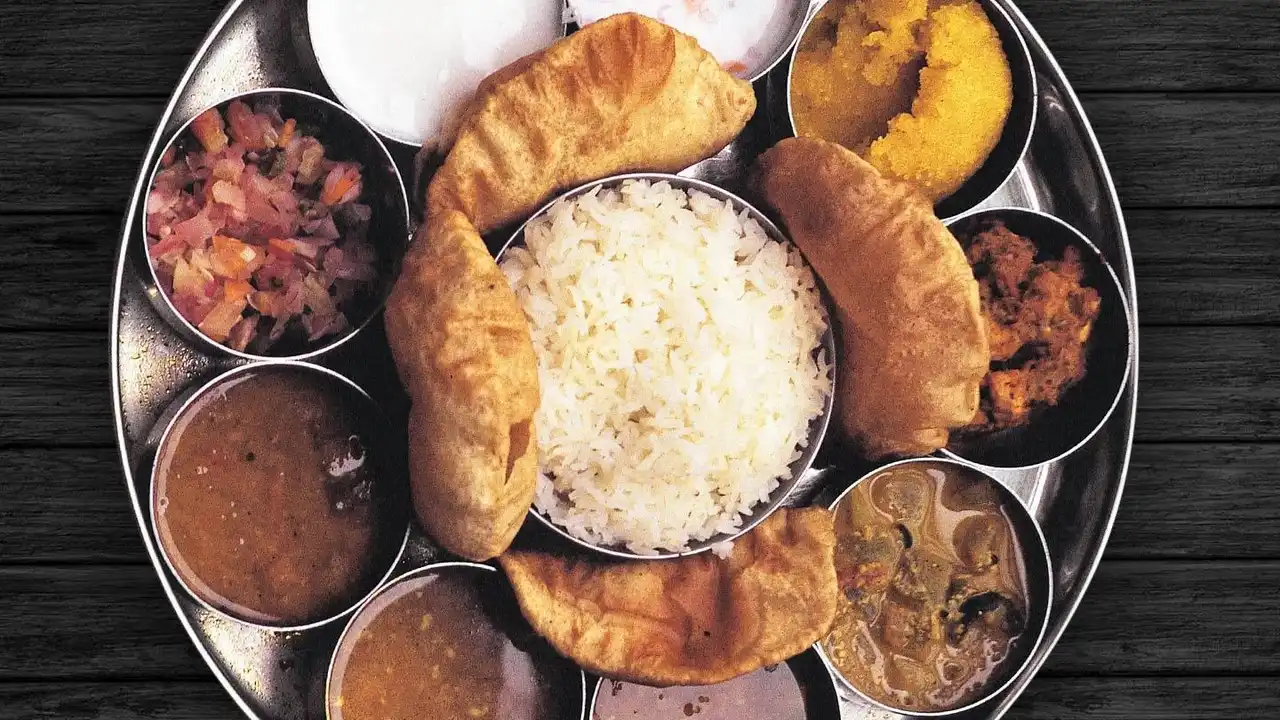
about nostalgia; it's a search for authenticity and identity. Food historians and chefs note that post-pandemic, there has been a significant shift towards rediscovering culture, with food being a primary gateway. Events celebrating heritage cuisine, from intimate home-chef pop-ups to large-scale festivals, are providing a platform for this exploration, offering dishes and stories that are rarely found on mainstream restaurant menus.
The Rise of the Culinary Custodian
Leading this charge is a growing community of home chefs, culinary historians, and restaurateurs who see themselves as cultural custodians. People like Shruti Taneja, founder of Nivaala, are creating platforms to preserve oral and written family recipes before they are lost. Similarly, home chefs such as Sneha Saikia and Nitika Kuthalia are bringing regional specialties, like those from Assam and Himachal, to urban audiences through pop-ups and catering ventures. These events often showcase cuisines that have been historically confined to home kitchens, such as Kayastha or traditional Parsi dishes. Chefs are not just cooking; they are narrating the history, geography, and traditions behind each recipe, turning a simple meal into an immersive cultural lesson.
More Than a Meal: An Immersive Experience
What makes these heritage food events so compelling is the focus on experience over mere consumption. Organisers often weave in storytelling, historical context, and even showcase traditional cooking utensils and techniques. For instance, a pop-up might focus on the royal cuisine of a former princely state, with descendants sharing long-held family secrets. Another might be a workshop on the science and art of fermentation in Indian cuisine. This approach transforms dining from a passive activity into an engaging, multi-sensory journey. The goal is to create an emotional connection, linking flavour to memory and personal history.
Preserving the Past, Inspiring the Future
The impact of this trend extends beyond the dining table. It is actively preserving a vital part of India's intangible heritage. Experts warn that there can be a 30-40% intergenerational loss of recipes, especially as oral traditions fade. By documenting and popularising these dishes, these events ensure that culinary knowledge is passed down. Furthermore, they are creating new opportunities for culinary tourism and encouraging a greater appreciation for India's vast food biodiversity. Events like the HIMCA Culinary Competition in Shimla explicitly aim to inspire young chefs to champion their regional cuisine on a national and global stage. This movement shows that looking to the past can be a powerful act of innovation.