





The Pinch in Our Pockets
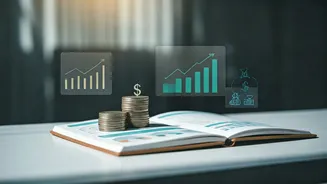
Let’s start with the most obvious driver: money. With grocery prices soaring, households are feeling the pinch. That casual midweek trip to the supermarket for “just a few things” is now a noticeably expensive affair. Meal planning has emerged as a powerful
defence against inflation. By planning meals, you create a precise shopping list, which drastically cuts down on impulse buys—that bag of chips, those fancy cookies, the extra vegetables that sadly wilt in the fridge. It also encourages using ingredients across multiple meals, minimising food waste, which is essentially throwing money away. In an uncertain economy, mapping out weekly dinners is no longer just about organisation; it’s a strategic financial decision that gives people a tangible sense of control over their budgets.
Our Post-Pandemic Kitchens
The pandemic forced us back into our kitchens, and for many, the habit stuck. We learned to bake bread, perfect our dal makhani, and appreciate a home-cooked meal. But as life speeds up again, the challenge is maintaining that connection to home cooking without the burnout. Enter meal planning. It’s the perfect bridge between our lockdown-era culinary ambitions and our current, time-crunched reality. It allows people to enjoy the benefits of homemade food—better nutrition, known ingredients, comforting flavours—without the daily 5 PM scramble of “what’s for dinner?” It institutionalises home cooking, turning it from a reactive, sometimes stressful task into a proactive, manageable part of the week.
The War on Decision Fatigue
We make thousands of decisions every day, from work emails to what to watch on Netflix. This constant stream of choices leads to “decision fatigue,” a state of mental exhaustion that degrades our ability to make good choices. The simple, recurring question of “What should I eat?” adds a significant burden to this daily load. Meal planning eliminates this specific stressor entirely. By making all the food decisions once a week—what to cook, what to buy, when to prep—you free up valuable mental energy for the rest of the week. This appeal is particularly strong in an “always-on” culture, where any opportunity to automate a routine and reclaim cognitive bandwidth is welcomed with open arms.
Wellness Over Diets
The wellness landscape has shifted. The focus is less on restrictive, short-term diets and more on sustainable, long-term healthy habits. Meal planning fits perfectly into this modern approach. It’s not a diet; it’s a tool. It empowers individuals to take control of their nutrition, whether their goal is to eat more vegetables, manage portion sizes, reduce sugar intake, or ensure they’re getting enough protein. Planning ahead makes it infinitely easier to sidestep the siren call of takeout on a busy Tuesday night. It puts you in the driver’s seat of your health, allowing for intentional choices rather than reactive ones governed by hunger and convenience.
The Instagram-Aesthetic Factor
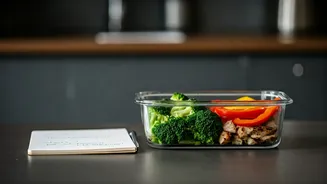
Finally, don’t underestimate the power of social media. On platforms like Instagram and TikTok, meal planning has been transformed from a mundane chore into a visually appealing, aspirational activity. Search for #MealPrep and you’ll find a vibrant world of neatly packed, colour-coordinated glass containers, satisfying time-lapses of Sunday prep sessions, and influencers sharing their weekly menus. This has gamified the process, making it feel like a productive and aesthetically pleasing hobby rather than a domestic duty. While the perfectly curated images can seem intimidating, they’ve also normalised the practice and provided a wealth of free inspiration, recipes, and community support for those looking to get started.