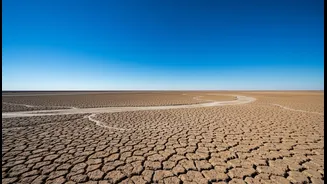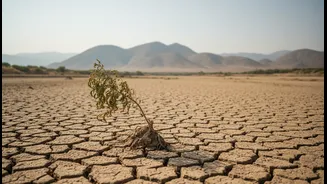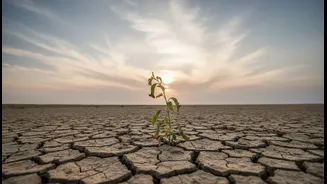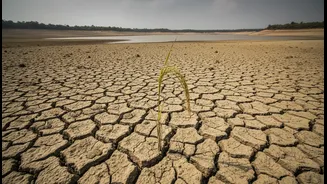





A Monsoon in Deficit
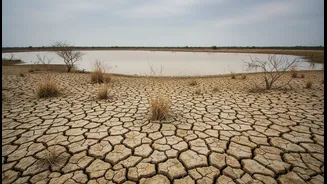
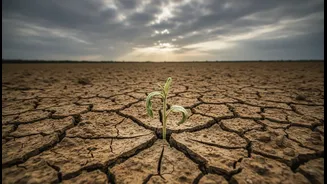
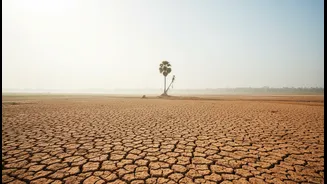
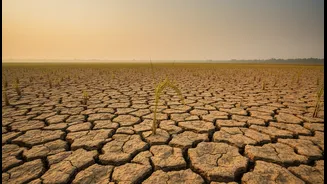
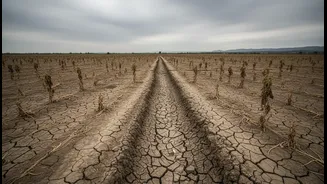
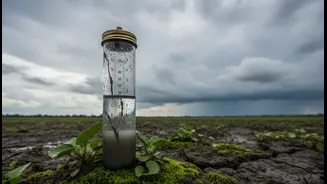
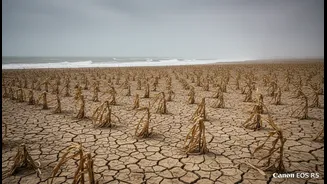
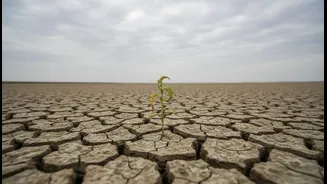
The 2026 southwest monsoon has been erratic over Goa. After a significantly dry June which saw rainfall deficits climb as high as 70%, a brief revival of heavy showers in early July brought some relief. However, the monsoon has weakened again, and as of July 9th,
the seasonal rainfall deficit for the state stood at 26.7%. While a late surge in June narrowed the initial gap, this year's start was among the driest in recent memory. Forecasters from the India Meteorological Department (IMD) have noted that while July is the peak month for rains, the activity has been light to moderate, and the trend might continue. This isn't just a weather report; it's a critical alert for the state's water security and economy.
For Residents: A Looming Water Crisis?
For the people who call Goa home, the most immediate concern is drinking water. The state's reservoirs, which depend entirely on monsoon rains, are lagging behind their normal schedules. The Selaulim reservoir, which supplies water to most of South Goa, was only at 37% capacity in early July, a time when it traditionally nears or reaches its full overflow level. Last year, the dam saw its earliest spillover in 25 years on June 26; this year, officials predict it may not happen until August. While recent rains have improved levels in some dams, most remain below where they should be at this point in the season. Though officials have stated there is no immediate drinking water crisis, the government is already planning new water management schemes, a sign of the underlying concern about summer availability if the monsoon doesn't significantly improve.
For Tourism Businesses: A Test of Resilience
Goa's tourism sector, which has been actively promoting monsoon and year-round travel, faces a complex challenge. A weak monsoon can mean less of the lush greenery and overflowing waterfalls that are central to the rainy-season allure. At the same time, the tourism trade has already noted a downturn in visitor numbers this monsoon. Hoteliers report a drop in both individual travellers and the MICE (Meetings, Incentives, Conferences, and Exhibitions) segment, attributing it to a lack of long weekends and other economic factors. A deficient monsoon adds another layer of operational difficulty. Businesses may face increased costs from reliance on water tankers if municipal supplies are stressed. The entire ecosystem, from the grandest hotels to the smallest shacks, is interconnected with the health of the monsoon.
For Travellers: Managing Expectations is Key
If you're planning a trip to Goa, this doesn't mean you should cancel your tickets. The state remains open and welcoming. However, it's wise to adjust your expectations. The iconic waterfalls may not be at their thunderous best, and the landscape might not be as drenched and vibrant as in a typical monsoon. North Goa's main tourist belts generally remain active, but it's a good idea to confirm bookings and activities. This year, more than ever, a monsoon trip to Goa is about enjoying the quieter, off-season vibe, discounted rates, and cosy cafe culture rather than chasing specific rain-fed attractions. Travellers should pack for warm and humid conditions, as the weak rainfall has also led to temperatures nearly three degrees above normal. Be prepared for sunny spells mixed with lighter showers, and as always, exercise caution as roads can be slippery.