



From Sightseeing to Experiencing
For years, a European holiday for many Indians meant a whirlwind tour of iconic landmarks. Today, there's a noticeable shift. Travellers are increasingly seeking authentic, experience-based trips that go beyond a simple photo opportunity. This desire
for immersion is a key reason Germany has seen a surge in interest from India. According to recent travel industry data, India has become one of the fastest-growing markets for travel to Germany, with a significant spike in bookings around the autumn festival season. The German National Tourist Office (GNTO) in India has also pivoted its strategy, now focusing on themes like culture, cities, and cuisine to cater to this new type of traveller who wants to engage with a destination on a deeper level.
More Than Just Oktoberfest
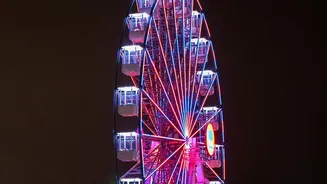
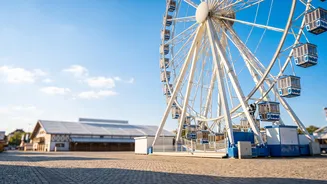
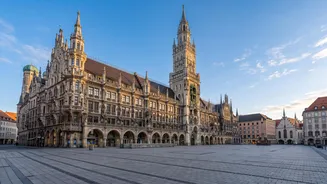
When people think of German autumn festivals, Oktoberfest in Munich immediately comes to mind. Running from late September to early October, it's the world's largest folk festival, attracting millions with its massive beer tents, traditional Bavarian music, and carnival rides. Tour operators now offer a wide range of packages for Indian travellers, from budget-friendly options to luxurious stays with guaranteed tent reservations. But the festivities don't end in Munich. The Cannstatter Volksfest in Stuttgart, the world's second-largest beer festival, offers a similar vibrant atmosphere, often with a more local feel and smaller crowds. Beyond the big beer festivals, Germany's 13 wine regions host their own charming harvest festivals, like the Wurstmarkt in Bad Dürkheim, which celebrates local wines and food.
A Familiar Feeling of Celebration
The appeal of these German festivals for Indian travellers is rooted in a shared love for large-scale celebrations. The vibrant atmosphere, communal gatherings, music, and focus on food resonate with the spirit of Indian festivals like Diwali or Durga Puja. It's a familiar concept of community and revelry, just in a new cultural setting. Social media also plays a huge role; the highly photogenic scenes of people in traditional attire (Dirndls and Lederhosen), giant pretzels, and bustling fairgrounds create a powerful 'fear of missing out' (FOMO) that drives bookings. Travel data shows a notable increase in solo travellers and longer stays, suggesting many are using the festival as a starting point for a wider European tour.
A First-Timer's Guide to the Festivities
Planning a trip to a German festival requires some preparation. Booking flights and accommodation well in advance is crucial, as prices can spike dramatically. While entry to the festival grounds is often free, reserving a table inside one of the large beer tents is highly recommended, especially for groups, and can be done directly or through tour packages. For many Indians, a key question is about food. While traditional Bavarian fare is meat-heavy, vegetarian options are now widely available. Tents and stalls offer everything from cheese spaetzle (a type of noodle) and potato dumplings to pretzels and a variety of mushroom and vegetable dishes. Many tents now explicitly label vegetarian and even vegan dishes on their menus, ensuring everyone can partake in the culinary experience.
Making the Trip Happen
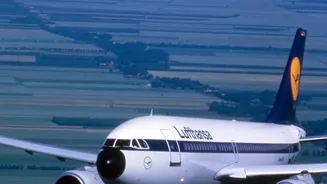
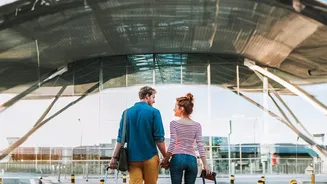
Improved connectivity has made travelling to Germany from India easier than ever. Multiple daily flights connect major Indian cities like Delhi and Mumbai to hubs like Frankfurt and Munich. Indian passport holders require a Schengen visa, and it's advisable to apply well ahead of your travel dates. The German government has also been working to streamline the visa process, which has helped boost tourism. For those looking for a curated experience, numerous Indian and international travel companies offer specialised packages that handle everything from flights and visas to festival reservations and local tours, making the journey seamless.