


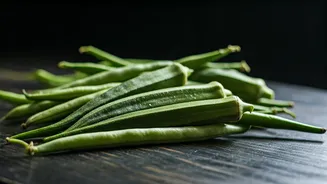


Embrace the Sunday 'Sabzi' Prep
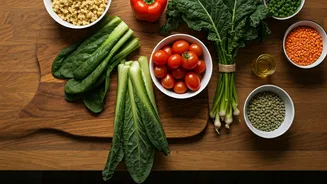
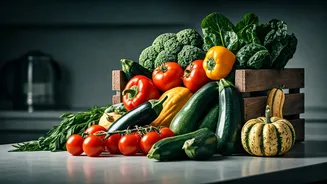
The single biggest secret to a stress-free week of eating is dedicating one or two hours on the weekend to preparation. This isn’t about cooking full meals, but about getting your ingredients ready to go. Chop your onions, tomatoes, capsicum, and carrots
and store them in airtight containers in the fridge. Prepare a large batch of ginger-garlic paste. You can even create a versatile base gravy (onion-tomato masala) and freeze it in portions. When it’s time to cook on a Tuesday night, you’ve already skipped the most time-consuming steps. Your future self will thank you for turning a 30-minute cooking process into a 10-minute assembly job.
Make Your Pressure Cooker Work Harder
The pressure cooker is the unsung hero of the busy Indian kitchen. It’s time to move beyond just using it for dal. Master the art of the one-pot meal. Think vegetable pulao, tehri, or a hearty dal khichdi packed with vegetables like peas, carrots, and beans. These meals are nutritionally balanced, incredibly flavourful, and require minimal monitoring. You simply add all your ingredients, lock the lid, and let the cooker do the work. This method not only saves time but also cuts down on the number of dishes you have to wash later—a true weekday win.
Curate a 'Quick-Cook' Pantry
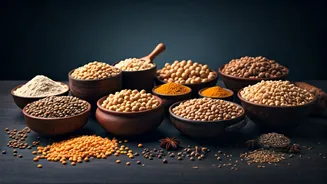
A well-stocked pantry is your first line of defence against ordering takeout. But it’s not just about having spices; it’s about having the right ingredients for quick meals. Ensure you always have quick-cooking grains like poha (flattened rice), suji (semolina), and oats. Stock up on a variety of dals and legumes, especially those that cook fast like red lentils (masoor dal). Canned chickpeas and kidney beans (rajma) are excellent to have on hand for when you forget to soak them overnight. Having these staples readily available means a satisfying meal like upma, a quick dal fry, or a chana masala is always just 15 minutes away.
Power Up with Smart Protein
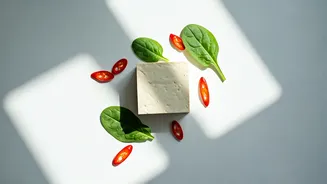
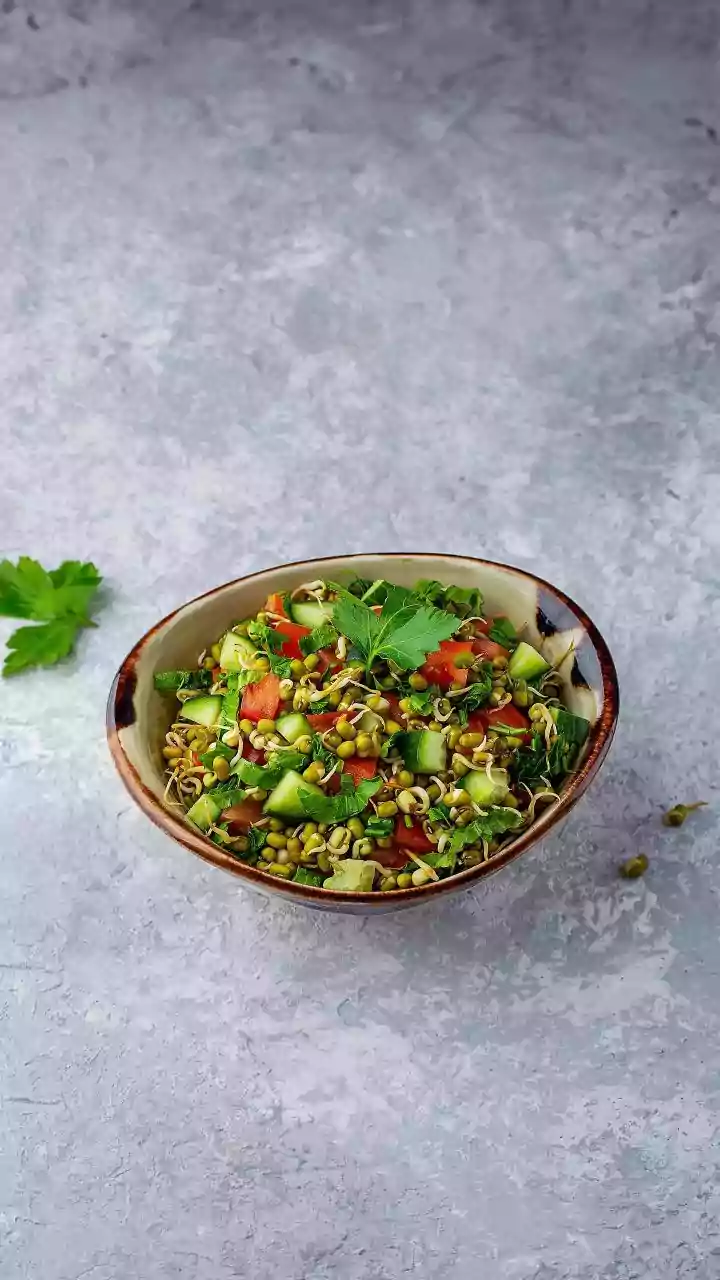
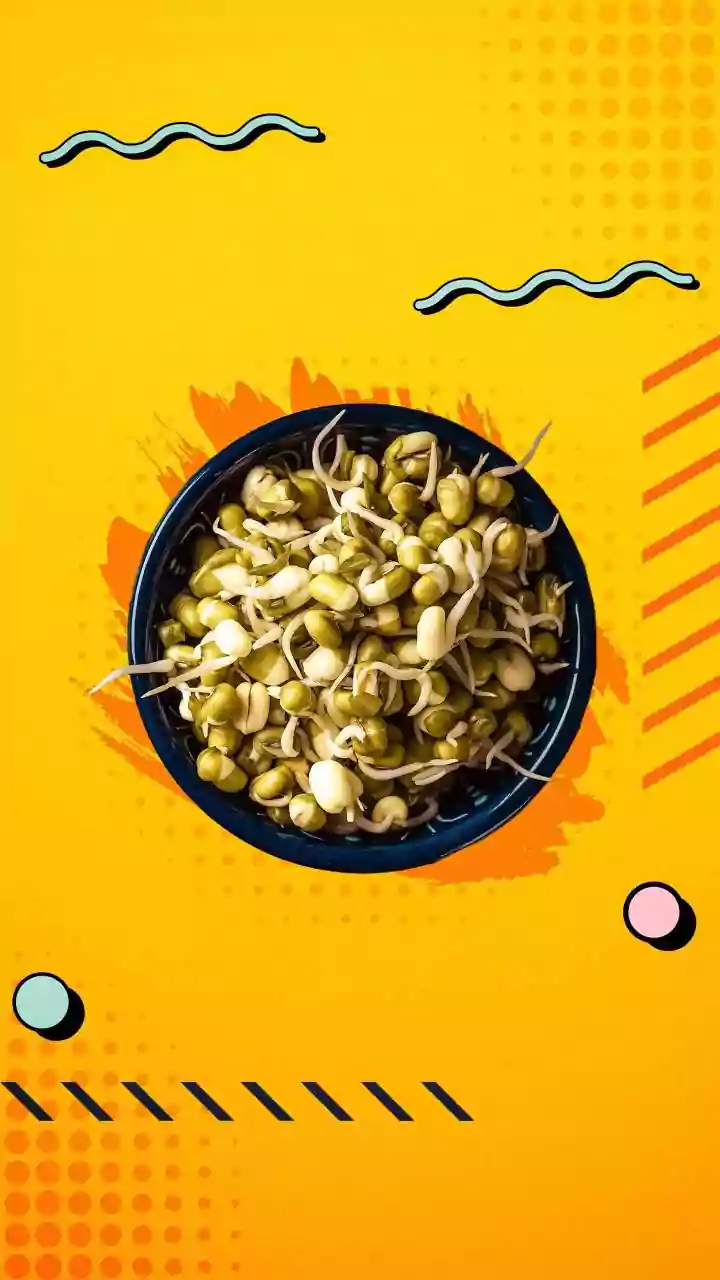
One common pitfall of a rushed vegetarian diet is not getting enough protein, which leaves you feeling hungry and tired. Make it a habit to consciously add a protein source to every meal. It’s easier than you think. Keep a block of paneer or tofu in the fridge; it can be quickly cubed and added to any sabzi or pulao. A handful of roasted peanuts or cashews can elevate a simple poha. Sprouted moong can be tossed into salads or lightly stir-fried. By simply asking, "Where is the protein in this meal?", you can easily transform a carb-heavy dish into a balanced, more satiating one.
Rethink Your Breakfast Strategy
Weekday mornings are often the most chaotic time of all. Instead of defaulting to toast or skipping the meal entirely, plan for quick, nourishing options. A smoothie is a fantastic way to pack in fruits, yoghurt (dahi), and a handful of nuts or seeds. Prepare a batter for moong dal chilla or besan chilla over the weekend and store it in the fridge for instant use. Overnight oats, soaked in milk or dahi with some fruit and seeds, are ready to eat the moment you wake up. These options are far healthier and more energising than processed cereals and take less than five minutes to assemble.
Snack Smarter, Not Harder
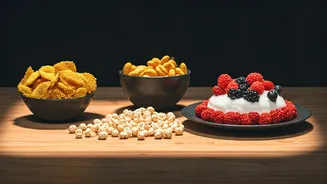
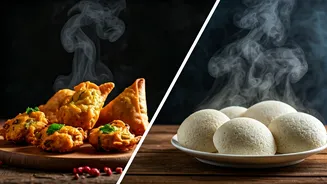
The 4 PM slump is real, and it’s often when we reach for fried samosas or packaged chips. The secret to avoiding this is to have healthy snacks within arm’s reach. Keep a jar of roasted makhana (fox nuts) or chana (chickpeas) at your desk. Pack a small container of mixed nuts and seeds. A simple fruit chaat with a sprinkle of chaat masala is both refreshing and satisfying. These snacks provide sustained energy through fibre and protein, unlike sugary or fried options that lead to an energy crash, helping you stay productive and on track with your health goals until dinner.