

The Challenge of High Humidity
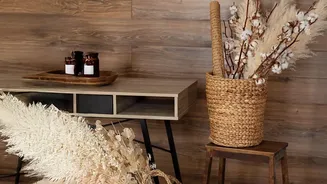
Wood, a common material in Indian homes, is particularly vulnerable during the monsoon. Being hygroscopic, it naturally absorbs moisture from the air. When humidity levels soar above 60%, wood swells, which can cause furniture joints to weaken, doors
to jam, and veneers to peel. This excess moisture creates the perfect breeding ground for mould and mildew, leading to musty odours and potential health issues. Metal accents can rust, and even walls can suffer from peeling paint and damp patches if not properly protected.
Fabric Swaps for a Fresher Feel
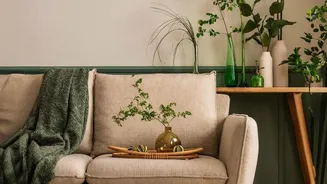
One of the quickest and most effective monsoon updates is changing your soft furnishings. Heavy fabrics like velvet, wool, and some thick cottons absorb and trap moisture, taking a long time to dry and contributing to a stuffy atmosphere. The solution is to switch to lighter, more breathable materials. Sheer or lace curtains are an excellent choice, as they allow for better air circulation and let in whatever natural light is available on overcast days. For upholstery, cushion covers, and throws, opt for fabrics like lightweight cotton, linen, or synthetic blends. These materials do not hold onto moisture and dry quickly, keeping your home feeling fresh. If you are buying new upholstered furniture, consider performance fabrics like solution-dyed acrylics or polyester blends, which are engineered to repel water and resist mildew.
Smarter Choices for Furniture
While wooden furniture is a staple, its susceptibility to humidity is a major concern. If you are committed to wood, ensure it has a protective sealant or polish to act as a moisture barrier. A simple but effective trick is to slightly elevate wooden furniture off the floor using small blocks or risers, preventing it from absorbing moisture from damp floors. It is also wise to create a small gap between large furniture pieces and walls to improve airflow and prevent moisture from getting trapped. For new purchases, consider materials that are naturally better suited for humid conditions. Powder-coated aluminium or steel furniture is rust-resistant and durable. Bamboo and cane are also excellent, lightweight options that are naturally resistant to moisture and mildew.
Floors, Walls, and Final Touches
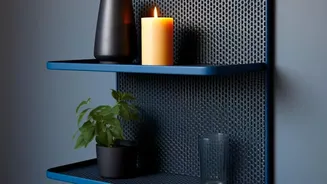
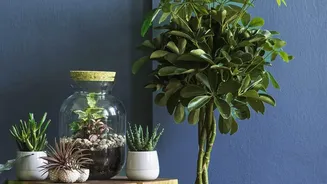
Thick carpets and rugs are best rolled up and stored away during the monsoon. They can trap a significant amount of moisture, becoming a hotspot for mould and odours. Instead, consider lightweight cotton dhurries or bamboo mats, which are easy to clean and do not retain dampness. For walls, using moisture-resistant paint can provide an extra layer of protection against seepage. Finally, embrace small changes that make a big impact. Introduce indoor plants that help purify the air, such as snake plants or pothos. Use scented candles, oil diffusers, or even a traditional urli with floating flowers to combat musty smells and create a pleasant ambiance. Adequate ventilation is key, so open windows whenever it is not raining and use exhaust fans in kitchens and bathrooms to expel moist air.