





Refined vs. Cold-Pressed: What’s the Difference?
The main distinction lies in the extraction process. Refined oils are produced using high heat and chemical solvents to extract the maximum amount of oil from the seeds. This process, which often includes bleaching and deodorising, creates a neutral-tasting
oil with a long shelf life but strips it of its natural nutrients, antioxidants, and flavour. In contrast, cold-pressed oils are extracted mechanically, using pressure without high heat. This gentle method, similar to the traditional 'kachi ghani' or 'chekku' process, ensures that the oil retains its original vitamins, minerals, healthy fats, and the natural aroma of the seed. While refined oils provide empty calories, cold-pressed oils offer nourishment.
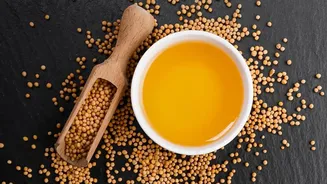
The Golden Power of Cold-Pressed Mustard Oil
A staple in Indian kitchens for generations, cold-pressed mustard oil is celebrated for its pungent flavour and numerous health benefits. It has a remarkably high smoke point of around 250°C, making it highly stable and suitable for all forms of Indian cooking, including deep-frying and tadkas. From a nutritional standpoint, it is rich in monounsaturated and polyunsaturated fats (MUFAs and PUFAs), including a healthy balance of omega-3 and omega-6 fatty acids. These fats are known to support cardiovascular health by helping to lower bad cholesterol (LDL) and raise good cholesterol (HDL). Furthermore, cold-pressed mustard oil possesses natural anti-inflammatory and antibacterial properties, which can aid digestion and boost immunity.
The Ancient Wisdom of Cold-Pressed Sesame Oil
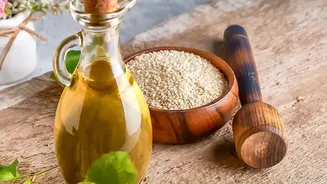
Sesame oil, or 'til ka tel', is another traditional favourite making a comeback. It is packed with antioxidants like sesamol and sesamin, as well as Vitamin E, which help fight cellular damage in the body. It is composed predominantly of heart-healthy unsaturated fats that contribute to lowering blood pressure and cholesterol. There are two main types: light, unrefined sesame oil and toasted sesame oil. The light version has a higher smoke point, around 177°C to 210°C depending on refinement, making it versatile for sautéing and stir-frying. Toasted sesame oil has a lower smoke point and a more intense, nutty flavour, making it ideal as a finishing oil to drizzle over dishes just before serving. Its rich flavour enhances marinades, dressings, and stir-fries.
How to Make the Switch in Your Kitchen
Transitioning from neutral-tasting refined oils to flavourful cold-pressed varieties is simpler than you think. Start by incorporating them into dishes where their distinct taste can shine, such as in tadkas, pickles, or drizzled over dals and sabzis. Since cold-pressed mustard oil has a high smoke point, you can confidently use it for most high-heat cooking without worrying about the oil breaking down. When using cold-pressed sesame oil for cooking, stick to light sautéing to preserve its delicate flavour and nutrients. One key difference is the aroma and taste. While refined oils are bland, cold-pressed oils add a new dimension of flavour to your food. Embrace this change as an enhancement rather than a compromise. To maintain their freshness and nutritional integrity, always store cold-pressed oils in a cool, dark place away from direct sunlight.