








A Symphony for the Senses
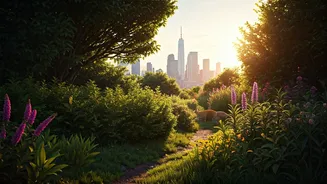
Before the rain, they are just part of the scenery, silent witnesses to the daily hustle. But after a cleansing shower, they transform. The leaves of the Gulmohar, Amaltas, and Copper Pod trees, once coated in a film of urban dust, suddenly glisten. Their
colours become strikingly vibrant, a phenomenon that occurs because the water washes away light-scattering dust and creates a smooth, glossy surface that reflects colour more purely. This visual feast is accompanied by one of the most cherished scents: petrichor. This earthy fragrance is not just the smell of wet ground; it's a complex cocktail of oils released by plants during dry spells and a compound called geosmin from soil bacteria, which are all thrown into the air by the force of raindrops. It’s a scent that feels deeply calming and grounding, a reminder of nature’s presence even in the most built-up areas.
The Unseen Work Made Visible
Rain doesn’t just make trees look and smell good; it reveals the crucial work they do for our cities. These trees are often called 'green infrastructure' for a reason. When heavy monsoon rains fall, the vast canopy of a Rain Tree or a Banyan intercepts a significant amount of water, slowing its journey to the ground. This reduces the immediate pressure on our often-overwhelmed storm drains and helps prevent localised flooding. The water that does reach the ground is absorbed more effectively by the soil around the tree's roots, which helps replenish groundwater. Furthermore, by washing pollutants like particulate matter from the air, the rain makes the trees’ air-purifying function tangible. You can literally breathe the difference. The cooling effect of trees, known to lower urban temperatures, also feels more pronounced in the fresh, post-rain air.
A Living Cultural Heritage
In India, street trees are more than just ecological assets; they are woven into the cultural and spiritual fabric of daily life. The Peepal and Banyan, for example, are considered sacred and often become impromptu community hubs and places of worship, their survival guaranteed by cultural reverence. It's not uncommon to see roads being built around a sacred tree, a testament to its protected status. Trees like Neem are valued for their medicinal properties, while others like the Mango or Jamun are cherished for their fruit. Many of these trees, from the Ashoka to the Gulmohar, are so common on our avenues that they become landmarks in their own right, silent keepers of a neighbourhood’s history and character. They are the backdrop for our childhoods, the providers of shade for street vendors, and the anchors of local ecosystems.
Silent Sentinels of the Street
Despite their importance, urban trees face constant threats from construction, pollution, and the relentless pace of urbanisation. Yet, they persist, stubbornly holding their ground on pavements and medians. The rain serves as a periodic reminder of their value and resilience. It washes them clean and highlights their beauty, prompting us to see them not as passive objects but as active, living participants in the urban ecosystem. Their enhanced presence after a shower is a performance, showcasing their role as protectors, purifiers, and storytellers. They are a connection to the natural world in environments that are increasingly made of concrete and steel, and their post-rain transformation is an invitation to look up and appreciate the life that thrives amidst the chaos.