




The Rise of the Workation
The traditional path to success once involved migrating to bustling cities like Mumbai or Bengaluru. Today, a new migration is unfolding. Professionals are packing their laptops and heading for the hills, coasts, and quiet corners of the country. This
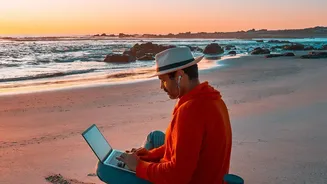
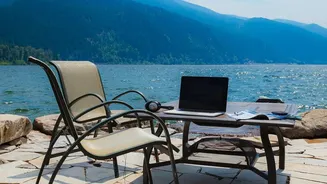
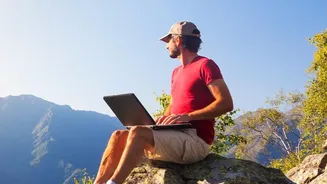
trend, known as a 'workation', blends work and leisure, allowing people to do their jobs from inspiring locations without burning vacation days. The movement is driven by a desire to escape burnout, find a healthier work-life balance, and tap into the flexibility of remote work. For many, the ability to answer emails against a backdrop of mountains or beaches is no longer a dream but a daily reality. This shift represents a fundamental change in work culture, emphasizing well-being and the idea that inspiration can be drawn from the world around us.
Why Hubs Like Kasol Are Booming
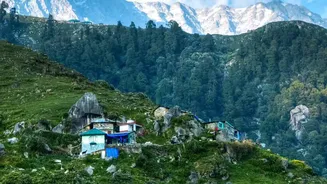
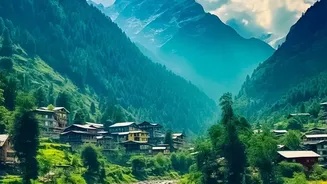
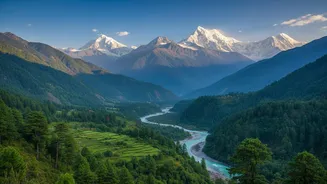
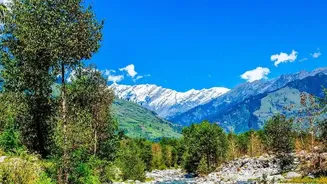
Nestled in Himachal Pradesh's Parvati Valley, Kasol has become a magnet for digital nomads. Known for its stunning landscapes, riverside cafes, and laid-back vibe, it offers the perfect escape from urban pressures. What makes destinations like Kasol so appealing is a combination of factors: natural beauty, a lower cost of living, and a slower pace of life. These locations provide a serene environment that helps reduce stress and foster mindfulness, creating an ideal setting for focused work. The presence of a growing community of remote workers also provides networking opportunities and a sense of belonging, combating the isolation that can sometimes come with remote work. The blend of Himachali culture with a cosmopolitan traveller scene gives places like Kasol a unique charm, attracting creatives, tech professionals, and entrepreneurs alike.
The Productivity Promise
The core promise of a workation is enhanced productivity, and science backs this up. Quiet, natural environments have been shown to improve focus, boost creativity, and reduce mental fatigue. By removing the constant distractions of city life—traffic, noise, and social obligations—the brain can enter a state of 'deep work'. This allows for more efficient problem-solving and idea generation. A change of scenery can break mental slumps and provide fresh perspectives, leading to creative breakthroughs. Many who have made the switch report that the calm surroundings allow them to concentrate better and achieve more in less time, freeing up their afternoons for hiking, exploring, or simply relaxing by a river.
The Reality Behind the Instagram Post
While the lifestyle is appealing, it's not without its challenges. The most significant hurdle in remote locations like the Himalayas is often unreliable internet connectivity. Weather events like snow or storms can lead to power outages and disrupt network signals, making it crucial to have backup plans like mobile dongles. Beyond technology, there's the adjustment to a different pace of life. The very quiet that boosts productivity can sometimes feel isolating, and the lack of urban conveniences requires more planning. Successful digital nomads learn to be adaptable, structuring their days to balance work commitments with the realities of mountain living. It's a trade-off that requires a resilient mindset and a willingness to embrace imperfection.
Beyond Kasol: India's Emerging Hubs
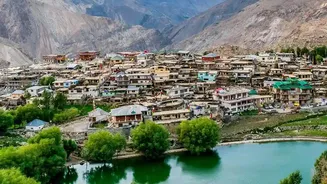
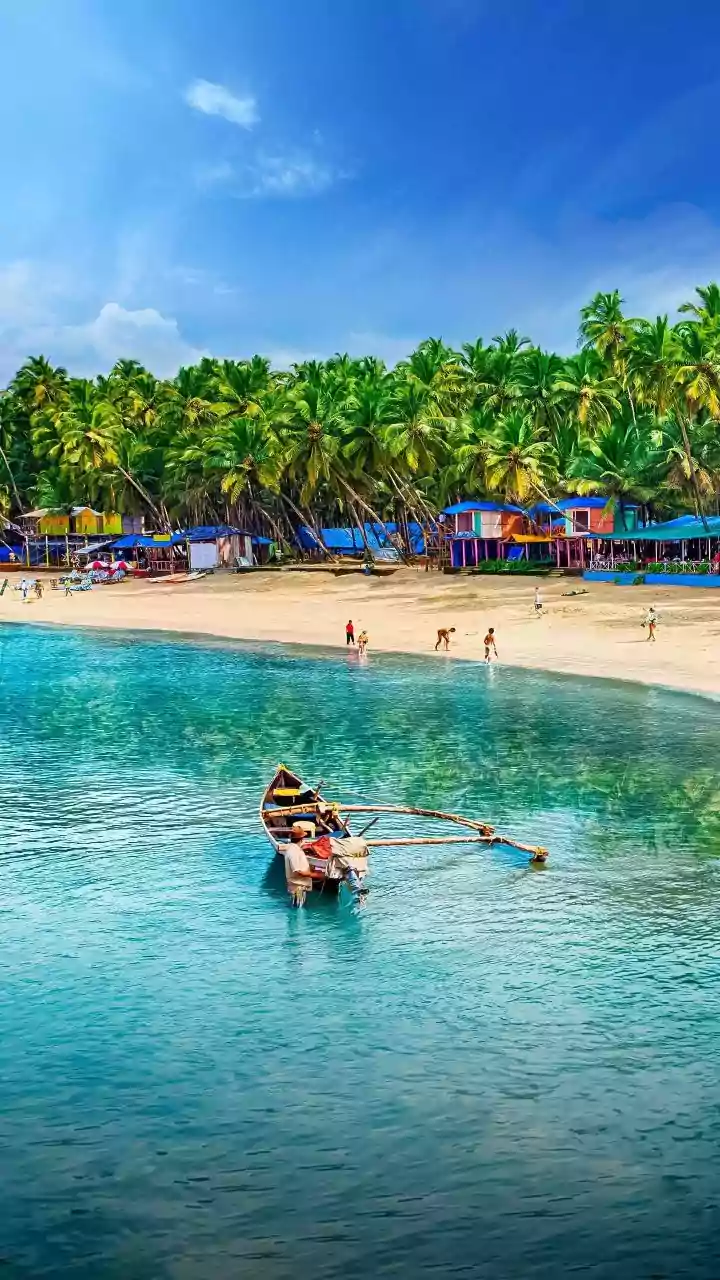
Kasol is just one star in a growing constellation of workation destinations across India. In the north, places like Bir, Jibhi, and Dharamshala in Himachal, along with Rishikesh and Mussoorie in Uttarakhand, are attracting remote workers with their tranquil atmospheres. Further south, the beaches of Goa and Gokarna offer a different kind of serenity, combining work with a laid-back coastal lifestyle. Other notable spots include the royal city of Udaipur, the coffee plantations of Coorg, and the spiritual hub of Rishikesh. This geographical diversity means digital nomads can choose an environment that best suits their work style and personal interests, from mountain solitude to beachside communities.