

The Genius of the Leftover Wrap
Repurposing last night's dinner into a breakfast wrap is one of the smartest kitchen hacks for a busy lifestyle. It’s a strategy that saves time, reduces food waste, and cuts down on morning stress. Instead of seeing a container of leftover sabzi or roasted
chicken as a repeat meal, think of it as pre-prepped ingredients for a brand-new creation. A breakfast wrap turns disparate elements into a cohesive, handheld meal that you can eat on the go. This approach not only makes your mornings more efficient but also encourages creative cooking, transforming what could be a monotonous meal into something fresh and exciting.
The Anatomy of a Perfect Wrap
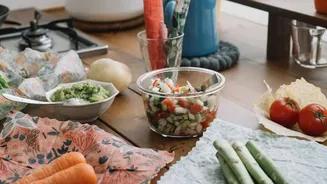
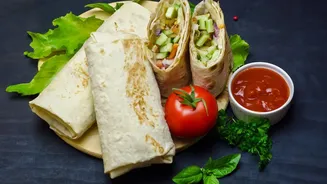
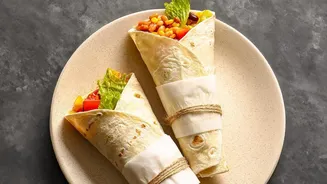
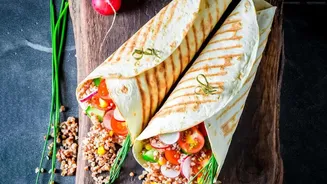
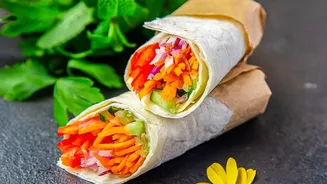
At its core, a breakfast wrap is simple and endlessly customisable. To build a balanced and delicious wrap, think in terms of four key components. First, you need a vessel—typically a large flour tortilla, roti, or any flatbread that’s pliable. Second, you need a binder; scrambled eggs and melted cheese are the most common choices as they hold all the other fillings together. Third is the star of the show: your leftovers. This can be anything from last night's roasted vegetables and potatoes to shredded chicken or even dal. Finally, add a fresh element for texture and brightness, such as baby spinach, chopped cilantro, or a spoonful of salsa.
The Leftover All-Stars
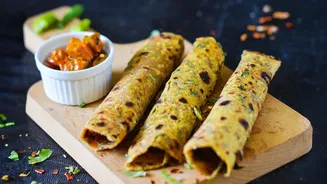
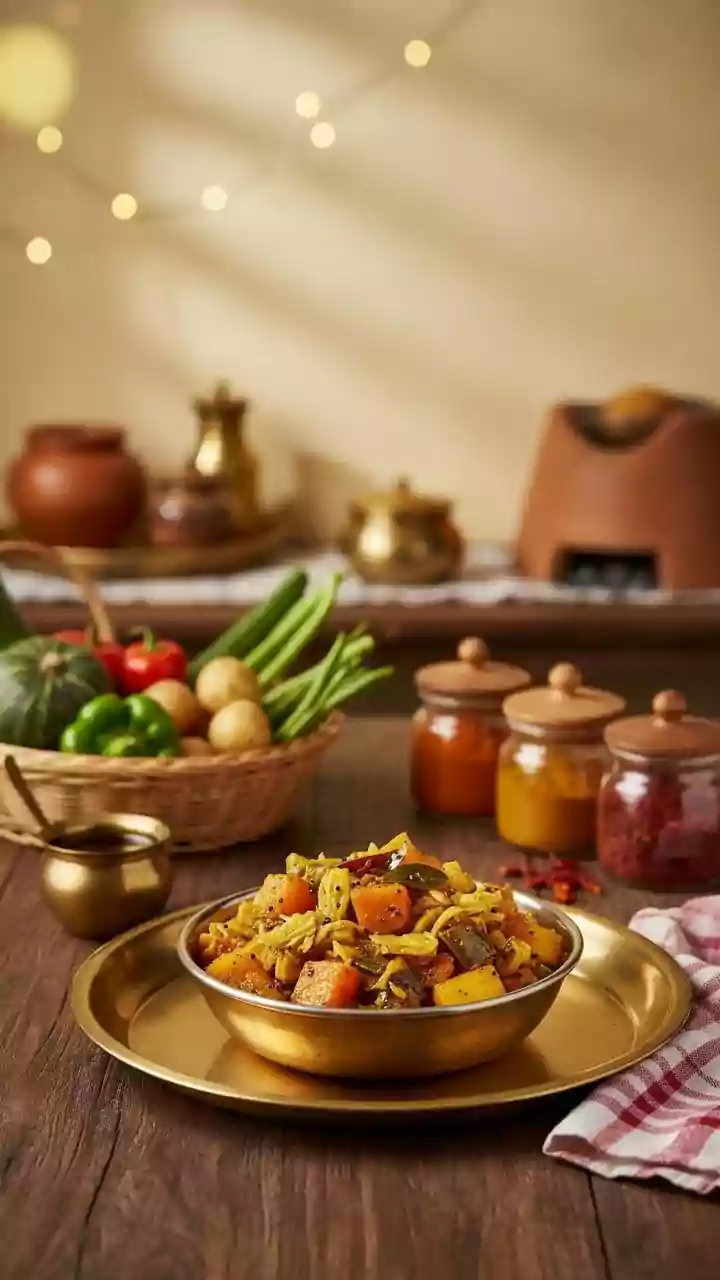
Not all leftovers are created equal, but many are prime candidates for a wrap. Hearty cooked vegetables like roasted potatoes, sweet potatoes, bell peppers, and onions are fantastic. Meats such as shredded roast chicken, turkey, or leftover keema work wonderfully. Even Indian dinner staples can be reborn for breakfast; moderately dry preparations of sabzi (cooked vegetables) or a thick dal can be excellent fillings. To avoid a soggy wrap, ensure your fillings aren’t overly wet. For example, if using something with a sauce or gravy, drain it well first. Don't be afraid to mix and match; leftover roasted vegetables pair beautifully with some crumbled paneer or a scoop of black beans.
Assembly and Folding Masterclass
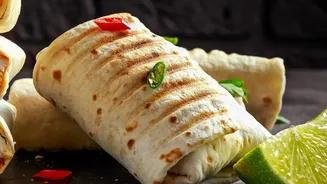
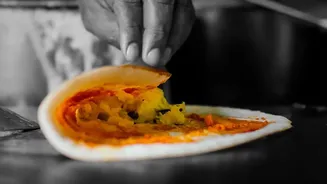
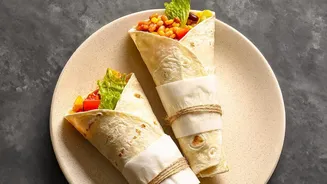
How you build and fold your wrap is crucial to avoiding a messy meal. First, warm your tortilla or flatbread slightly to make it more pliable. Place your fillings in the lower third of the wrap, not directly in the center, and be careful not to overfill it. A good rule of thumb is to create a 'dry line' with cheese or mashed potatoes first to act as a barrier against wetter ingredients. To fold, bring the bottom edge up and over the filling, tucking it in tightly. Then, fold in the two sides. Finally, continue to roll the wrap away from you, keeping it snug as you go. For an extra-crispy exterior and perfectly melted cheese, you can toast the finished wrap in a lightly oiled pan for a couple of minutes on each side.
Amp Up the Flavour
To make your leftovers taste intentionally delicious and not just like a reheated meal, a few flavour boosters go a long way. A sprinkle of spices like cumin or paprika while warming up your fillings can add a new dimension. Sauces are your best friend here. A dash of hot sauce, a dollop of sour cream or thick yogurt, or a spread of chutney or pesto can tie everything together. Fresh herbs are also a game-changer. A handful of chopped cilantro or parsley adds an instant burst of freshness that can completely transform the flavour profile. The key is to think about what complements your specific leftovers and add a finishing touch that makes the wrap feel like a brand-new meal.