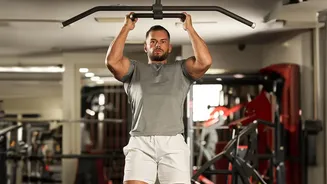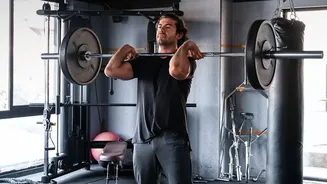







The weight room is no longer just for aspiring bodybuilders. A new wave of fitness is here, focused not on mirrors but on movement. People of all ages are picking up weights to build practical strength for one reason: to make everyday life better.
A New Definition of Strong
For
decades, strength training was synonymous with building bigger muscles for aesthetic appeal. Today, that perception is shifting dramatically. The new buzzword is 'functional fitness', an approach that prioritises building strength for real-world activities. This isn't about lifting the heaviest weight possible, but about training your body to handle daily tasks with greater ease and less risk of injury. The goal is to improve your quality of life, whether that means carrying groceries up several flights of stairs, lifting a child without straining your back, or simply getting up from a chair with confidence. This practical, life-enhancing focus is dismantling the old stereotypes and inviting a much wider audience to discover the benefits of getting stronger.
The New Faces in the Weight Room
The demographics of who is strength training are expanding rapidly. It's no longer the exclusive domain of young men. Women are increasingly embracing resistance training for its benefits on bone density and metabolic health. Older adults are another key group, using tailored strength programs to combat age-related muscle loss, improve balance, and maintain independence. Studies show that seniors can significantly increase their strength, which helps reduce the risk of falls and makes daily activities safer. Even desk workers are turning to strength training to counteract the negative effects of a sedentary job, improving posture and alleviating chronic back and neck pain. The common thread is a desire for longevity and vitality, not just appearance.
How Strength Translates to Daily Life
Functional strength training is built around fundamental human movements: pushing, pulling, squatting, hinging, and carrying. A squat, for instance, mimics the motion of sitting down and standing up. A deadlift, often misunderstood as an exercise for elite powerlifters, is simply the pattern for safely lifting a heavy object off the floor. By training these patterns, you're building a more resilient body. This type of training engages multiple muscle groups at once, teaching them to work together as a coordinated system, much like they do in real life. The result is improved mobility, better coordination, and a solid foundation of core strength that protects your joints and spine from injury during everyday tasks.
Getting Started with Practical Fitness
The beauty of functional fitness is its accessibility. You don't need a gym full of complex machines to begin. Many effective exercises can be done at home using just your body weight, resistance bands, or light dumbbells. Simple movements like wall pushups, chair squats, and carrying light weights while walking are excellent starting points. For beginners, the focus should always be on mastering proper form before adding more weight. Starting with two to three short sessions per week is a sustainable way to build a routine. For those with pre_existing health conditions or who feel unsure about their form, consulting a qualified fitness professional or physical therapist can provide a safe and personalised plan to get started.