







A Glimpse into a Bygone Era
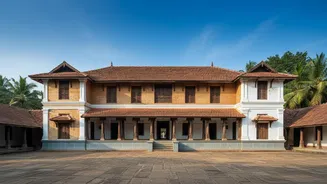
The story of Chettinad is the story of the Nattukottai Chettiars, a prosperous banking and merchant community who flourished from the 19th to the early 20th century. Their travels across Southeast Asia brought not only immense wealth but also global architectural
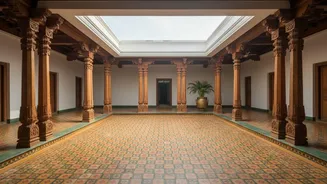
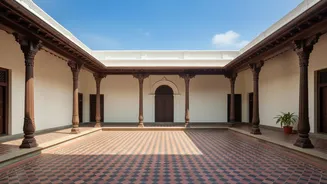
inspiration. They built over 10,000 sprawling mansions, or "periya veedu" (big houses), designed to accommodate large joint families with as many as 50 to 80 rooms. These were not just homes; they were statements, blending traditional Tamil features like open-air courtyards with materials sourced from across the globe: Burmese teak, Italian marble, Belgian glass, and intricate tiles. However, as fortunes shifted after World War II, maintaining these colossal structures became a challenge, and many fell into disrepair, leaving a priceless architectural legacy at risk.
The Dawn of a Sustainable Revival
Rather than letting this heritage crumble, a new generation of hoteliers and conservationists has begun the painstaking work of adaptive reuse. Restoring a Chettinad mansion is a monumental task, often taking years. The goal is not just to renovate but to preserve the soul of the building. This movement embraces a form of tourism that is both economically viable and culturally sensitive. By transforming these properties into heritage accommodations, owners generate the income needed for their upkeep while creating jobs and boosting the local economy. This approach offers a powerful alternative to demolition, ensuring that the unique architectural and cultural history of the Chettiars is preserved for future generations to experience firsthand.
Green Architecture Before Its Time
What makes these mansions particularly appealing to the modern eco-conscious traveler is their inherently sustainable design. Long before 'green architecture' became a buzzword, these homes were built in harmony with the hot, semi-arid climate of the region. Central courtyards create natural ventilation, keeping the interiors cool. Thick walls made of brick and lime plaster provide excellent insulation. Furthermore, the sloping roofs were ingeniously designed to harvest rainwater, channeling it into village ponds and wells—a practice essential in a region dependent on monsoons. Many restored properties build on this legacy by incorporating modern sustainable practices, such as solar power and waste reduction, proving that luxury and responsibility can go hand in hand.
An Immersion in Local Culture
A stay in a Chettinad mansion is far more than just a hotel visit; it is a deep dive into a living culture. The experience is designed to be immersive. Guests can partake in cooking classes to unravel the secrets of the famously spicy and aromatic Chettinad cuisine, often using locally sourced ingredients. Another highlight is visiting local artisan communities. You can watch the masterful creation of Athangudi tiles, the vibrant, handmade floor tiles that are a signature of the region. These tiles are made using a centuries-old, eco-friendly process of sun-drying without the use of kilns or electricity. Other experiences include learning about the weaving of the distinctive Kandanghi sarees, exploring bustling antique markets, and taking guided walks through the villages.
Choosing Your Heritage Home
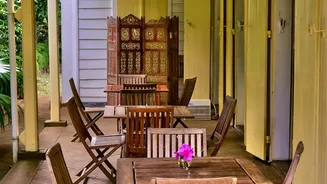
Several beautifully restored mansions now welcome guests, each offering a unique window into Chettiar life. Properties like Visalam, CGH Earth, and The Bangala are renowned for their authentic restoration and hospitality. Chidambara Vilas, a 118-year-old mansion, underwent a three-year restoration to showcase the opulent lifestyle of the last century, complete with period-appropriate furniture and details. Others, like Saratha Vilas, have been lovingly restored by French architects who fell in love with the region's charm. These hotels act as cultural hubs, arranging everything from temple tours to performances of traditional music and dance, ensuring a stay that is both restful and enriching.