
The classic holiday often involves picking one town and exploring it thoroughly. But what if a richer story awaits? To truly understand a region’s soul, moving through its diverse landscapes offers a far more profound insight than a single stop.
The Philosophy of the Regional Journey
Many travellers
are shifting away from the single-destination holiday. The logic is simple: a region is not a monolith. Its identity is a tapestry woven from different threads—spirituality, adventure, history, and quiet rural life. Staying in one town gives you a deep look at one thread, but travelling through several spots lets you see the entire beautiful, complex pattern. This approach isn't about rushing to tick off a list; it’s about experiencing a place as a narrative with multiple chapters. By moving between, for example, a bustling spiritual hub, a serene mountain viewpoint, and a historic town, you witness the contrasts and connections that define a region’s character. A journey through Uttarakhand’s Garhwal and Kumaon regions serves as a perfect example of this philosophy in action.
First Stop: Rishikesh, The Spiritual Gateway
Our journey begins in Rishikesh, a town humming with a unique blend of ancient spirituality and modern adventure. Situated on the banks of the holy Ganges, it’s a place of ashrams, yoga centres, and the mesmerizing Ganga Aarti ceremony. But it's also a hub for thrill-seekers drawn to its famous white-water rafting. Visiting Rishikesh first provides insight into the spiritual pulse that underpins much of life in the Himalayas. It shows how tradition coexists with a vibrant, youthful energy. This stop isn’t just about seeing temples or bridges like Ram and Laxman Jhula; it's about understanding the deep reverence for nature and spirituality that you will see echoed, in different ways, across the rest of your journey.
Second Stop: Auli, The Majestic Alpine Vista
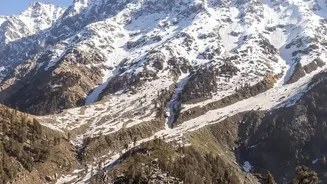
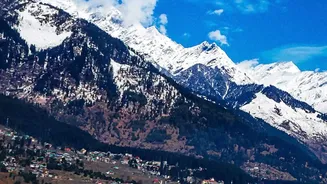
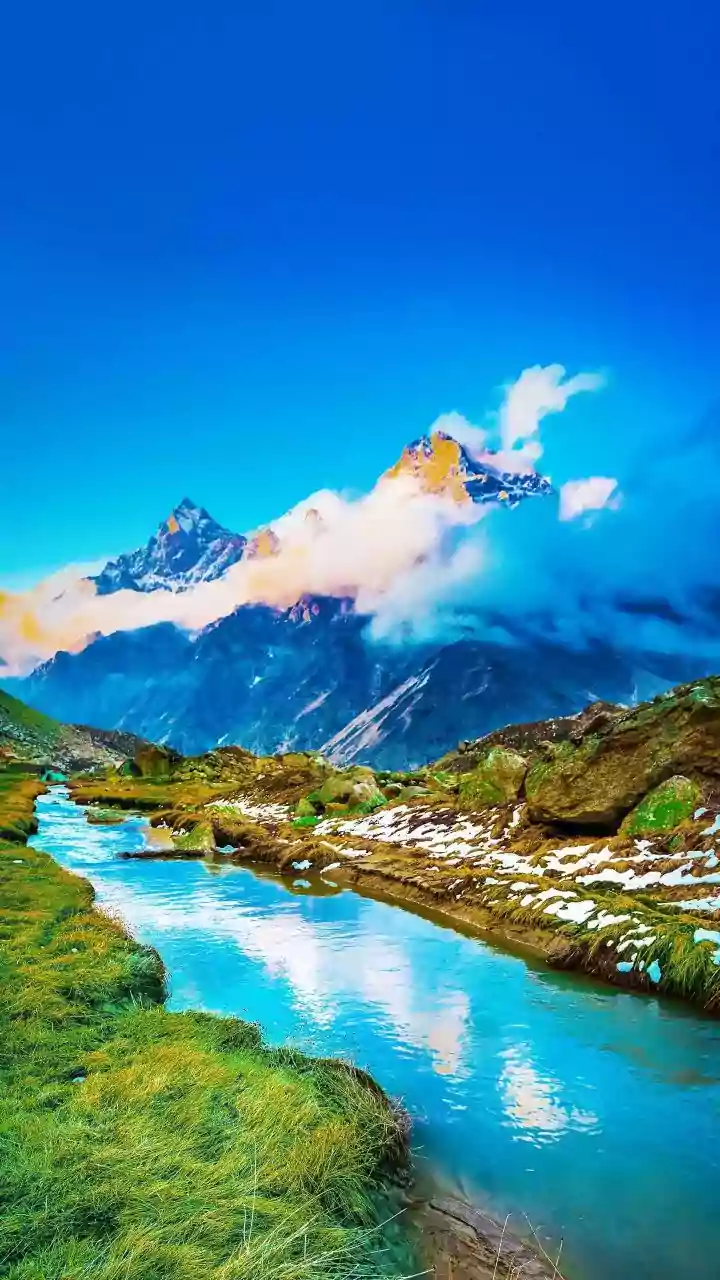
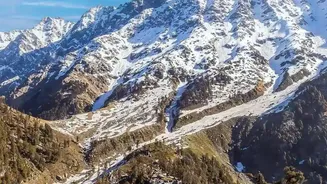
From the river valley, the journey ascends to Auli, a high-altitude meadow offering breathtaking panoramic views of Himalayan giants like Nanda Devi. Known as a premier ski destination in winter, Auli’s character shifts dramatically with the seasons. In summer and autumn, its lush meadows, or 'bugyals', are perfect for trekking and soaking in the immense scale of the mountains. The journey from Joshimath to Auli via the cable car is an experience in itself, lifting you from a bustling valley town into a world of serene, alpine grandeur. The insight gained here is one of perspective. Auli teaches you about the raw, untamed power and sheer beauty of the high Himalayas, a stark contrast to the lively, flowing energy of Rishikesh. It represents the magnificent, often harsh, natural environment that shapes life at these altitudes.
Third Stop: Kausani, The Serene Retreat
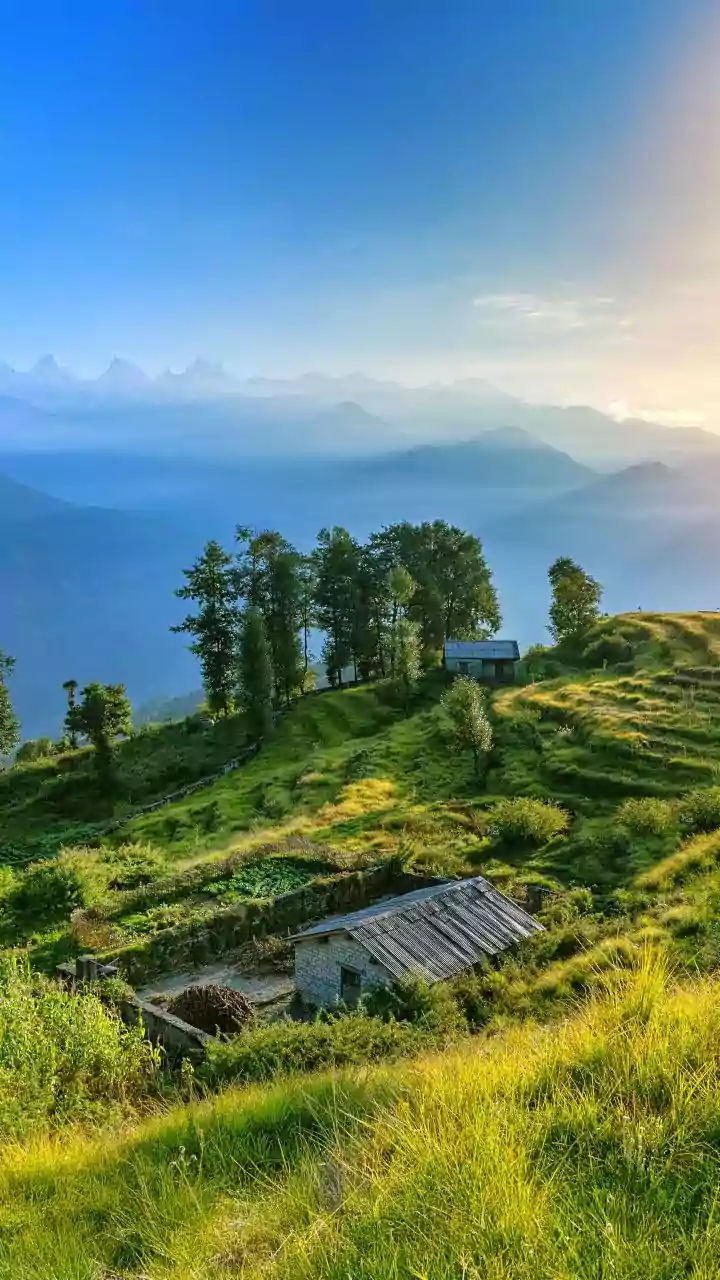
Next, the journey moves into the Kumaon region to Kausani, a quiet hill station famous for its spectacular 300-km-wide panoramic view of Himalayan peaks. Mahatma Gandhi, who once stayed here, called it the 'Switzerland of India'. Unlike the focused energy of Rishikesh or the raw majesty of Auli, Kausani offers a different kind of insight: one of profound peace and pastoral beauty. It’s a place to witness life at a slower pace, surrounded by tea gardens and a sense of deep tranquility. Kausani reveals the agricultural and contemplative side of the Himalayan lifestyle, where the connection to the land and the vastness of the sky dictates a rhythm of life that feels timeless. It provides the quiet interlude needed to reflect on the journey so far.
Fourth Stop: Nainital, The Colonial Echo
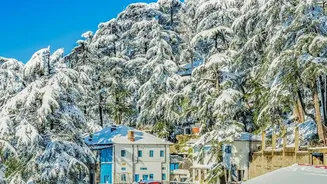
The final stop is Nainital, a classic hill station set around the beautiful Naini Lake. As a former British settlement, its architecture and layout offer a glimpse into India's colonial past. Boating on the lake, walking along the Mall Road, and taking the cable car to Snow View point provide a different experience from the other locations. Here, the insight is historical and cultural. Nainital shows how layers of history have shaped a modern Indian resort town. It’s a place where families come to relax and enjoy the scenery, blending the legacy of a British summer retreat with the vibrancy of contemporary Indian tourism. It completes the regional picture by adding a touch of organised leisure and historical context to the spiritual, adventurous, and serene aspects seen earlier.