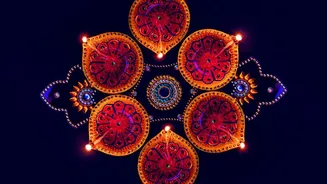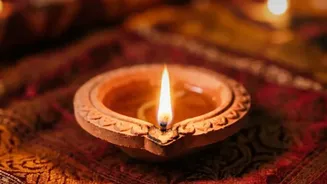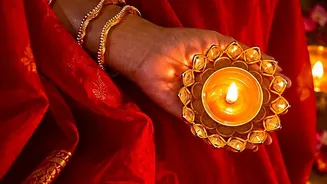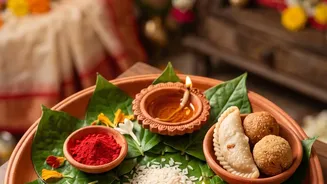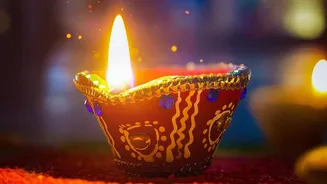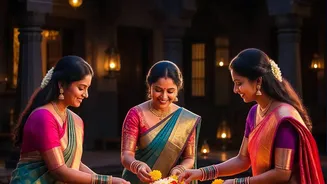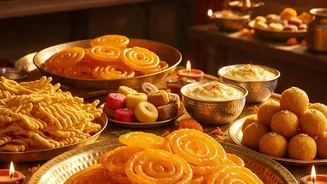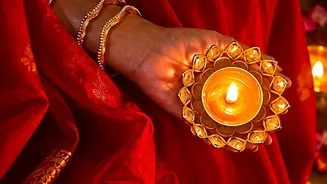

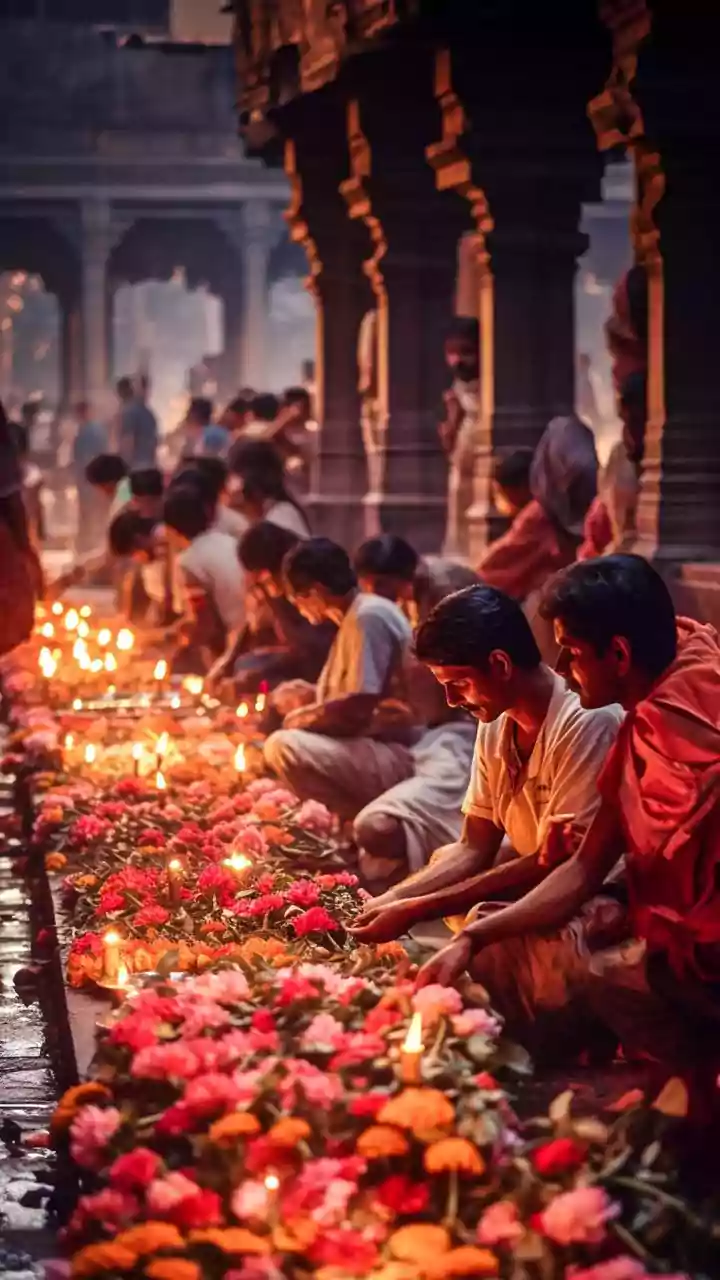
The flicker of a diya, the scent of sweets, the sound of laughter—Diwali is an experience that unites India. Yet, beneath the shared joy lies a stunning diversity of traditions, each telling a different story of the same triumphant light.
One Festival, Many Stories
At its heart,
Diwali everywhere celebrates the victory of light over darkness and good over evil. For many in North India, the festival commemorates Lord Rama's return to Ayodhya after 14 years in exile and his victory over the demon king Ravana. Homes are lit with rows of lamps to welcome him, his wife Sita, and his brother Lakshmana. This narrative of a king’s righteous return forms the foundation of the celebrations for millions. Yet, to see only this story is to miss the larger, more intricate picture. The festival, known as Deepavali, is a family of celebrations with varied local meanings and myths that are just as profound.
The Fierce Divine in the East
Travel east to West Bengal, and the main deity of Diwali night changes. While much of India worships Lakshmi, the goddess of wealth, Bengalis perform Kali Puja. On the new moon night of Diwali, the fierce goddess Kali, a powerful form of Durga, is worshipped with midnight tantric rites. The belief is that Kali, the destroyer of evil, is the most fitting deity for the darkest night of the year. The day before is 'Bhoot Chaturdashi', when 14 lamps are lit to guide ancestors home and ward off spirits, often accompanied by a meal of 14 types of greens. This tradition highlights a different facet of the divine feminine—not just prosperity, but transformative power and protection.
A Southern Dawn of Purification
In South India, the main day of celebration is often Naraka Chaturdashi, the day before the new moon. Here, the festival honours Lord Krishna's victory over the demon Narakasura. Celebrations begin before sunrise with a ritual oil bath, called Abhyang Snan, which symbolises purification and renewal. In many Tamil, Kannadiga and Telugu households, this pre-dawn ritual marks the core of the Deepavali festival. In Goa and parts of Maharashtra, the victory over Narakasura is enacted more dramatically, with large effigies of the demon being paraded through the streets and then burned at dawn, a powerful symbol of evil's destruction.
Western Rituals of Prosperity and Renewal
In Maharashtra, Diwali begins with Vasu Baras, a day for honouring cows and their calves. The pre-dawn oil bath on Naraka Chaturdashi is also a key tradition. But the state is most famous for its 'Diwali Faral', an assortment of homemade sweet and savoury snacks like chakli, karanji, and shankarpali, which are shared with neighbours and friends, strengthening community bonds. For Gujaratis, Diwali holds dual importance as it leads into Bestu Varas, the Gujarati New Year. Businesses perform 'Chopda Pujan', worshipping new account books to seek blessings for the financial year ahead, merging spiritual devotion with commercial beginnings.
A Day of Liberation in Punjab
For Sikhs, Diwali coincides with Bandi Chhor Divas, meaning the 'Day of Liberation'. This commemorates the release of the sixth Sikh Guru, Guru Hargobind, from Gwalior Fort in the 17th century. In a celebrated act of selflessness, he refused to leave unless 52 Hindu princes who were also imprisoned with him were freed. To mark this event, which symbolises freedom and justice, Gurdwaras, especially the Golden Temple in Amritsar, are magnificently illuminated with lamps and fireworks. While the reason for the celebration is distinct, the spirit of light triumphing over the darkness of oppression aligns perfectly with Diwali's universal theme.