






The Science of Calm Focus
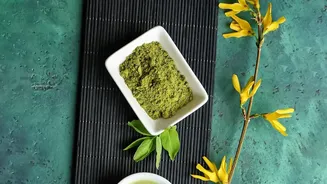
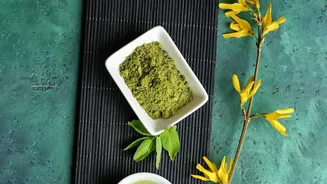
For decades, the workday has been powered by coffee. Its instant jolt of energy is a familiar ritual for millions. However, that powerful spike often comes with a subsequent crash, leading to jitters, anxiety, and a rollercoaster of energy levels. Matcha
offers a different kind of energy. While it also contains caffeine, it is delivered to the body in a unique partnership with L-theanine, an amino acid naturally present in the tea leaves. This combination is the key to matcha's appeal. L-theanine promotes the brain's alpha waves, which are associated with a state of relaxed alertness—similar to meditation. The result is a sustained, smooth release of energy that can last for hours, without the jarring peaks and troughs of coffee. Employees experience what is often described as 'calm alertness,' allowing for enhanced focus and mental clarity without the overstimulation that can hinder complex tasks.
A Strategic Nod to Wellness
The introduction of matcha is more than just a beverage choice; it's a strategic move aligned with the growing emphasis on corporate wellness in India. Companies are increasingly recognising that employee well-being is a business priority, directly linked to productivity and retention. The conversation has evolved beyond basic health insurance to include preventive healthcare, mental well-being, and balanced nutrition within the office environment itself. Offering matcha, which is packed with antioxidants like catechins, fits perfectly into this new paradigm. It’s a low-calorie, functional beverage that signals a company's investment in its employees' long-term health, not just their immediate alertness. This gesture matters, especially in a competitive job market where prospective employees, particularly younger generations, evaluate a company's culture based on such wellness initiatives.
The New Productivity Hack
From a business perspective, the benefits of 'calm alertness' translate directly to the bottom line. The L-theanine in matcha helps counteract the anxiety-inducing effects of caffeine, which can be a significant issue for some coffee drinkers. This leads to a more stable mood and reduced stress levels, creating a more positive and productive work environment. Studies on the combination of L-theanine and caffeine have reported improvements in attention, reaction time, and the ability to switch between tasks more effectively. For companies whose success depends on innovation, problem-solving, and sustained concentration, providing a beverage that supports these cognitive functions is a tangible investment. It’s seen as a productivity tool—a way to help employees perform at their best throughout the day, avoiding the common mid-afternoon slump associated with coffee consumption.
A Statement of Modernity
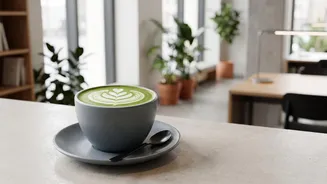
Beyond the health and productivity benefits, the matcha station is a powerful cultural symbol. In India, matcha has rapidly moved from a niche health food item to a mainstream trend, particularly in urban centres like Mumbai, Delhi, and Bengaluru. It's associated with a global, sophisticated, and wellness-oriented lifestyle, heavily popularised on social media. By installing a matcha station, a company positions itself as modern, progressive, and in tune with current trends. It’s an aesthetic and cultural upgrade to the office pantry, suggesting a premium employee experience. Some companies are even hosting matcha preparation workshops as team-building and mindfulness activities. It's a small change that makes a big statement about the company's identity and its commitment to creating a desirable workplace.
An Addition, Not a Total Replacement
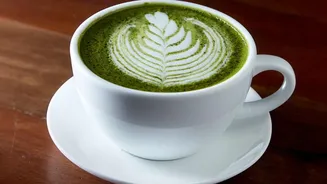
While the headline proclaims a replacement, the reality on the ground is more of a strategic addition. Coffee and the deeply ingrained chai culture are not disappearing from Indian offices overnight. Rather, companies are diversifying their offerings to cater to a wider range of preferences and health considerations. The trend is most prominent in tech startups, creative agencies, and multinational corporations that prioritise a modern and inclusive work culture. They are providing choice, allowing employees to select the beverage that best suits their needs and sensibilities. The rise of matcha is a response to a growing segment of the workforce that is actively seeking alternatives to coffee. As awareness grows, driven by incredible online interest in its health benefits and preparation methods, providing matcha is becoming a hallmark of a forward-thinking employer.