

Yoga: The Inward Journey to Calm
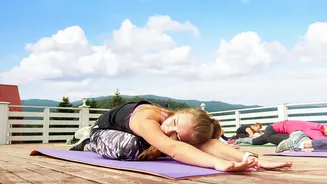
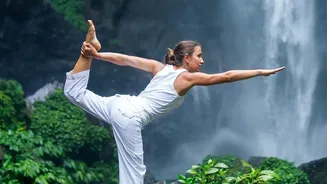
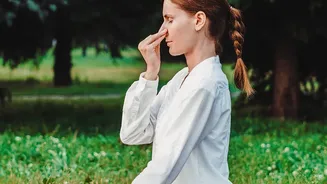
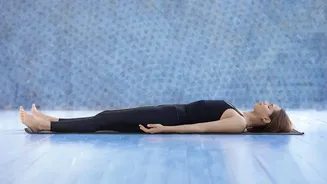
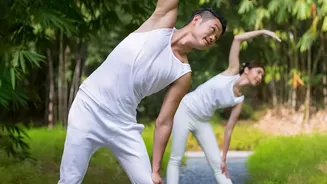
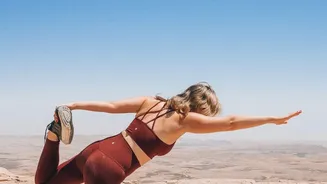
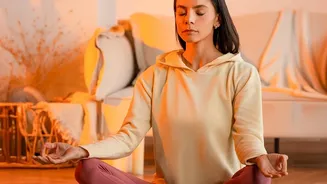
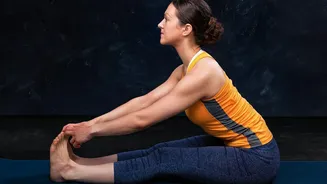
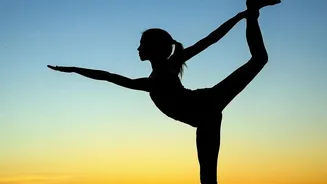
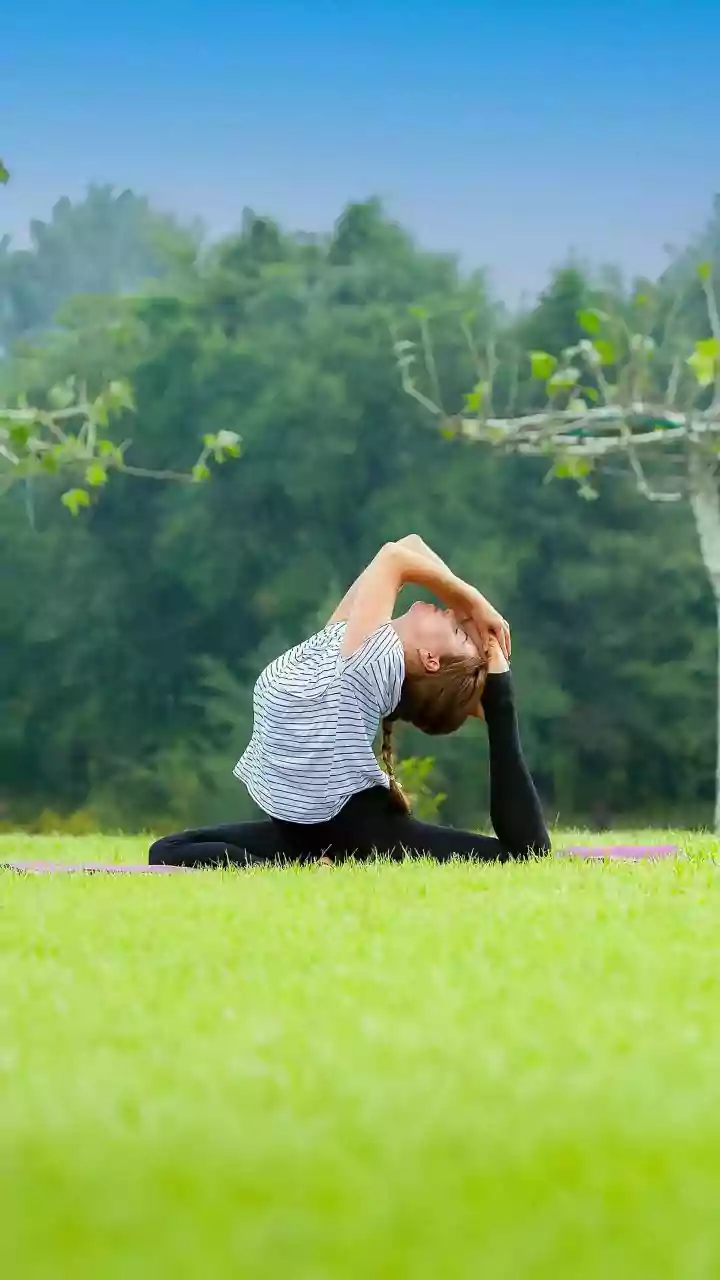
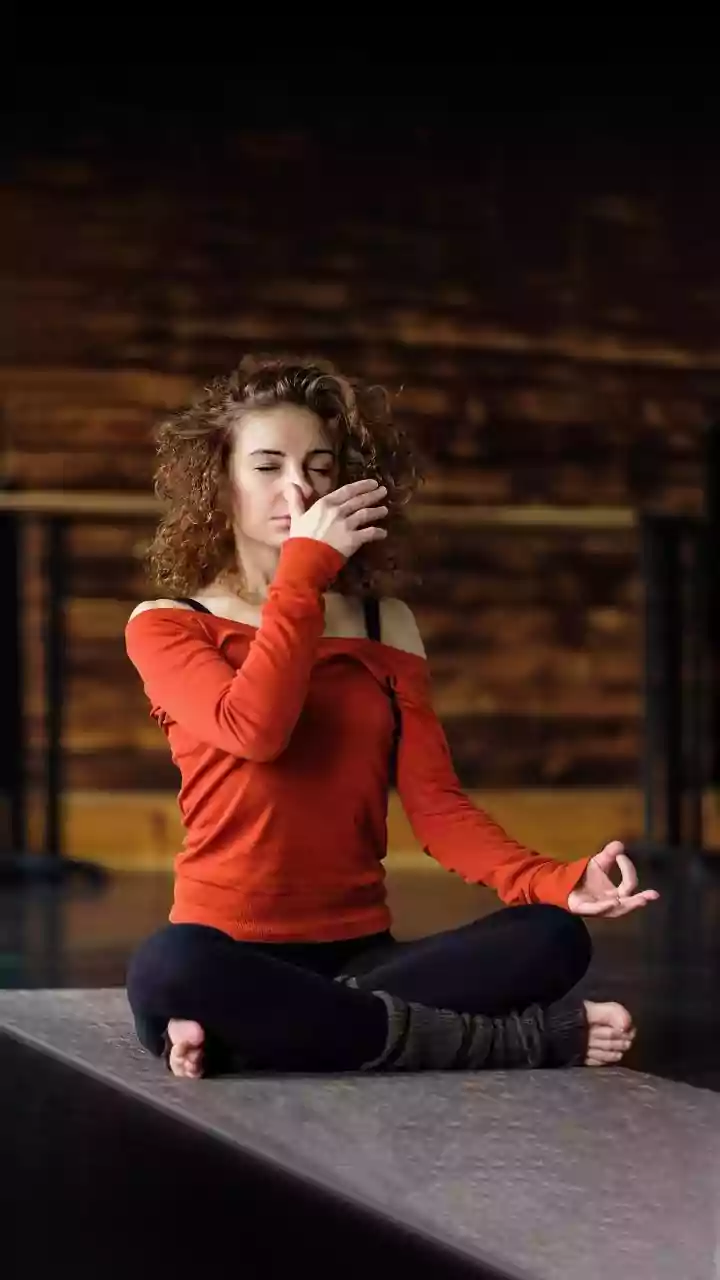
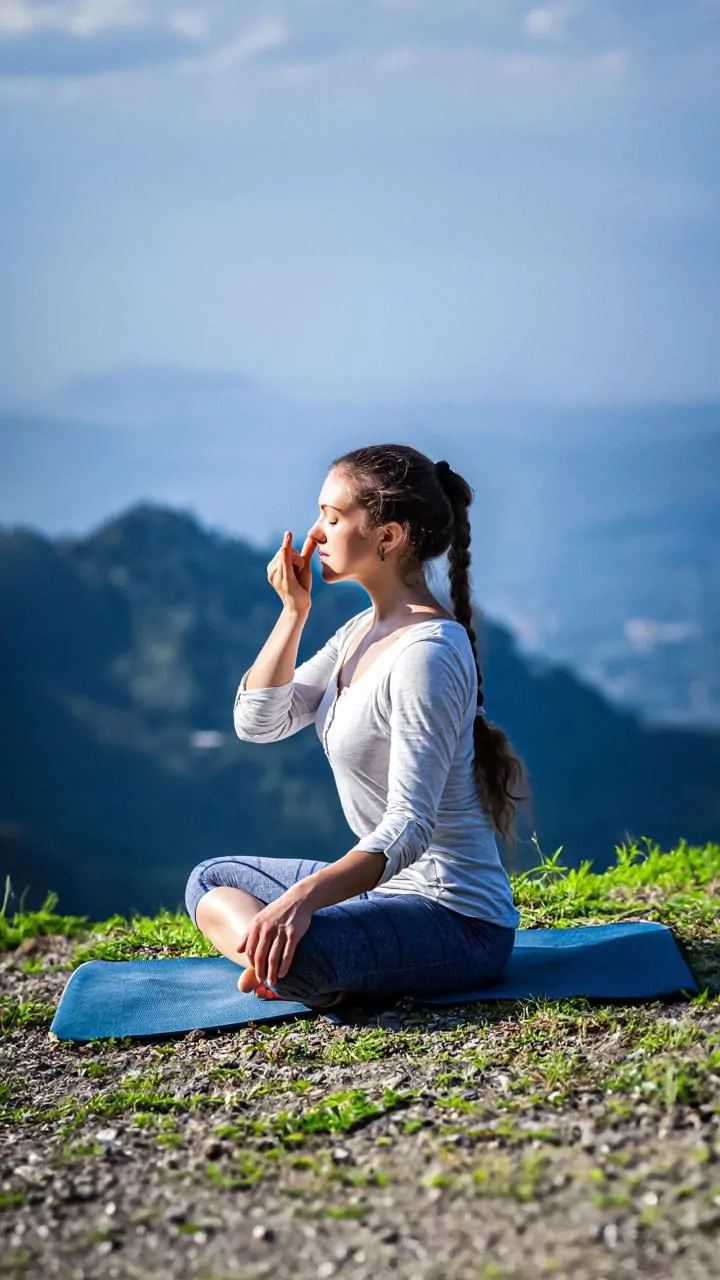
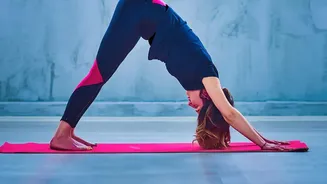
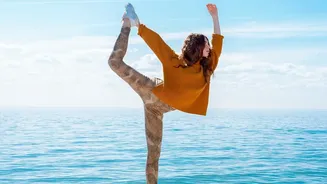
Yoga's approach to relaxation is an internal one, designed to quiet the noise from the outside world and turn your focus inward. The practice intentionally slows you down, using controlled breathing techniques (pranayama), sustained postures (asanas),
and mindfulness to shift the body's state. Scientifically, this process is about activating the parasympathetic nervous system—our 'rest and digest' mode. By slowing the breath, especially the exhale, and holding gentle poses, yoga directly stimulates the vagus nerve, a primary component of this system. This sends signals to the brain to lower cortisol (the stress hormone), slow the heart rate, and create a profound sense of peace. The relaxation that comes from yoga is one of deep, restorative stillness, making it ideal for those who feel overstimulated and need to disconnect and recharge in solitude.
Expressive Dance: An Outlet for Emotions
Not all dance is about performance or socialising. Expressive or somatic dance is a form of movement therapy focused on 'dancing from the inside out'. This practice isn't about learning steps; it's about allowing your body to move freely as an outlet for stored emotions and physical tension. Where yoga seeks to calm the system through stillness, expressive dance does so through release. It provides a non-verbal way to process feelings like joy, frustration, or grief that can get stuck in the body. This type of dance is a powerful tool for mind-body connection, helping you become more aware of your internal state and release pent-up energy. The result is a feeling of lightness and clarity, achieved by moving through emotions rather than sitting with them in silence. It is especially beneficial for those who feel emotionally blocked or restless.
Social Dance: The Joy of Connection
Social dance, from ballroom to salsa, offers a completely different pathway to relaxation—one that is focused externally. Its power lies in community, rhythm, and shared experience. Learning steps and moving in sync with a partner or group requires focus, effectively serving as a form of mindfulness that pushes daily worries aside. The combination of physical activity, music, and social interaction is a potent recipe for releasing endorphins, the brain's natural mood-lifters. This creates a sense of pleasure and reduces stress. Furthermore, the social connection inherent in partner and group dancing helps combat feelings of loneliness and isolation, fostering a sense of belonging that is crucial for mental well-being. The relaxation from social dance is energetic and joyful, stemming from connection with others and the sheer fun of the activity.
Choosing Your Path to Peace
Deciding between yoga, expressive dance, and social dance depends entirely on your needs in a given moment. There is no superior choice, only what is right for you. If you feel mentally scattered and crave quiet and introspection, a yoga mat might be your sanctuary. Its focus on breath and stillness can help regulate a frayed nervous system. If you are holding onto unspoken emotions or feel a simmering tension in your body, the freedom of expressive dance can provide a necessary release. It allows you to work through feelings physically. However, if you feel isolated or down and need an uplifting distraction, the structure and community of social dance can be the perfect remedy. It pulls you out of your own head and into a shared, joyful activity. The key is to listen to your body and mind to determine what kind of relaxation you truly need.