



Plums and Prunes
As summer begins to wane, deep-hued plums reach their peak sweetness. These juicy stone fruits are more than just a tasty snack; they are a powerhouse of nutrients ideal for the transition to fall. Plums are rich in antioxidants, particularly anthocyanins,
the pigments that give them their dark red and purple colors. These compounds help combat oxidative stress, which is crucial for supporting your immune system as seasons change. Furthermore, plums are an excellent source of vitamin C, another immune-booster, and vitamin K, which is essential for bone health. They are also known for their high fiber content, which aids digestion—a common concern when weather changes affect our routines. When dried, plums become prunes, a concentrated source of fiber and sorbitol, making them famously effective for maintaining digestive regularity. Enjoy fresh plums sliced into a salad, baked into a tart, or simply eaten out of hand for a hydrating and satisfying treat.
Fresh Figs
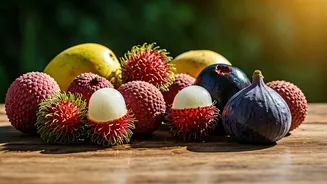
Figs have a fleeting season in late summer and early fall, making them a luxurious and welcome sight. With their unique texture and honey-like sweetness, figs feel like an indulgence, but they are packed with health benefits. They are an excellent source of dietary fiber, which not only promotes digestive health but also helps you feel full and satisfied. This can be particularly helpful for managing appetite during the less active, rainy days of late summer. Figs are also a surprising source of minerals, including potassium, which helps regulate blood pressure and fluid balance, and calcium, which contributes to strong bones. Their natural sweetness makes them a fantastic substitute for refined sugar in recipes. Try slicing fresh figs over your morning yogurt or oatmeal, pairing them with salty prosciutto for a classic appetizer, or roasting them with a drizzle of balsamic vinegar to bring out their complex flavor.
Pomegranates
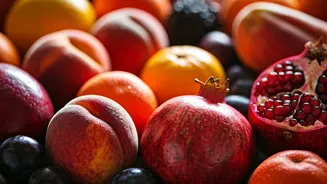
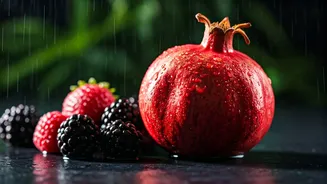
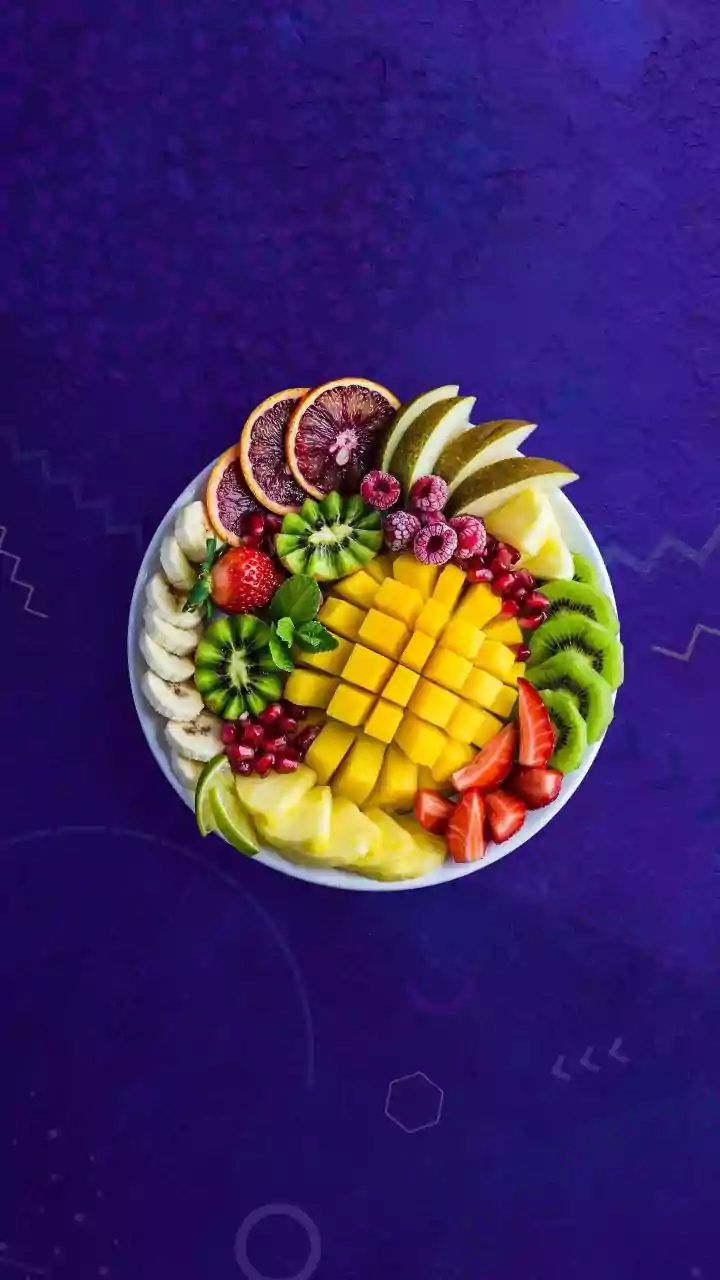
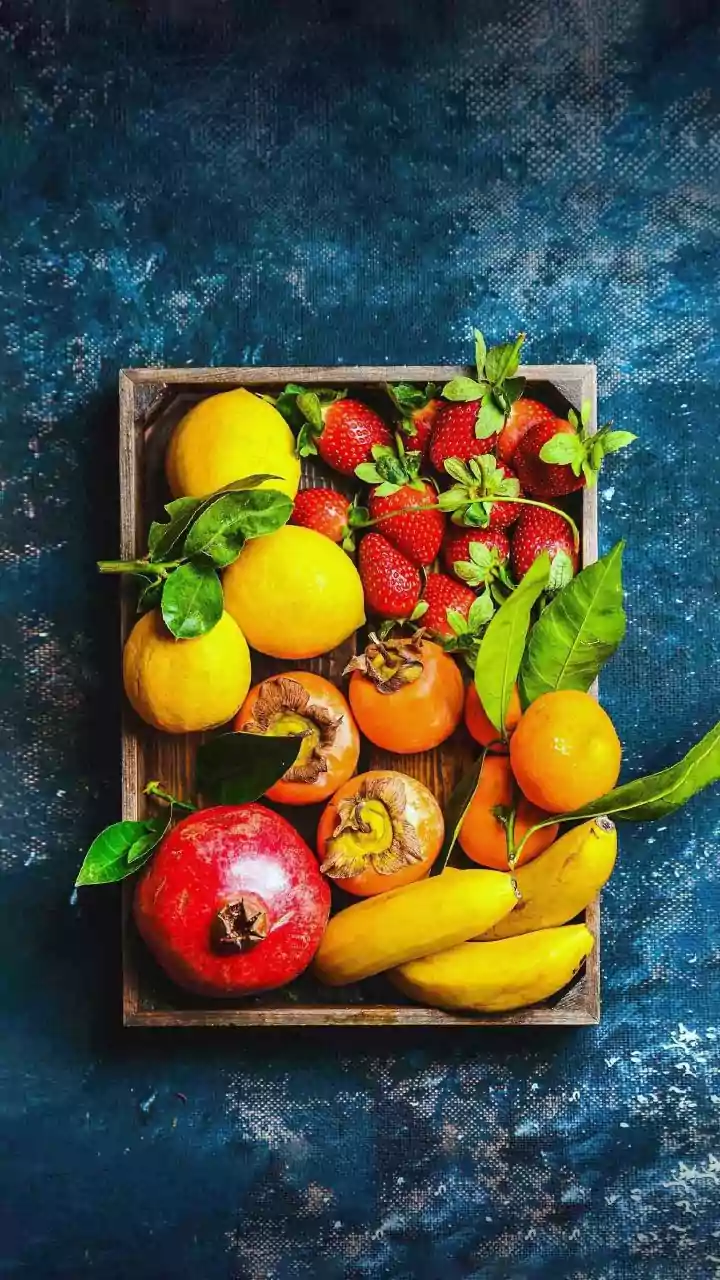
Arriving just as the most intense summer heat subsides, pomegranates are like jewels of the fruit world. The vibrant, ruby-red seeds (called arils) are bursting with juice and potent antioxidants. Pomegranates are particularly rich in punicalagins, a powerful antioxidant that has been studied for its anti-inflammatory effects. Chronic inflammation can weaken the body, so consuming anti-inflammatory foods is a smart strategy for staying well during the seasonal transition. These fruits are also a great source of vitamin C and fiber. While getting the arils out can be a bit of work, the reward is well worth it. Sprinkle them over salads for a crunchy, juicy pop, blend them into smoothies for a nutrient boost, or simply enjoy a bowl of the arils on their own. The act of eating them can be a mindful, rewarding experience, perfectly suited for a quiet afternoon indoors.
Juicy Pears
Often overshadowed by apples, pears are the unsung heroes of the late summer and early autumn harvest. With a season that begins in August and extends through the fall, they offer a wonderful range of flavors and textures, from the crisp Bosc to the buttery Bartlett. Pears are an exceptional source of soluble fiber, particularly pectin, which is beneficial for gut health and can help stabilize blood sugar levels. Their high water content makes them incredibly hydrating, a perfect antidote to the lingering humidity. Pears also provide a good dose of antioxidants, including flavonoids in their skin, so it’s best to eat them unpeeled (after a good wash, of course). They are also considered a hypoallergenic fruit, making them a safe and gentle choice for most people. Enjoy a fresh pear as a simple snack, slice it into a grilled cheese sandwich with sharp cheddar, or gently poach it in spiced water for a simple, elegant dessert.