

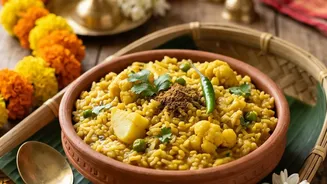
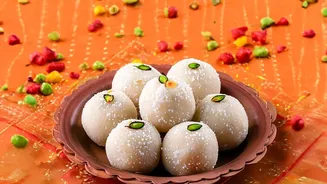
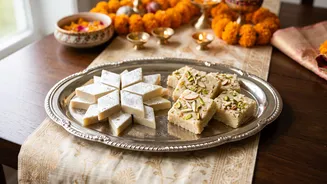
Quantity: Weight vs. Piece Count
The first point of comparison is often quantity, but this isn't as simple as it sounds. Sweet shops sell mithai in two ways: by weight (e.g., 250g, 500g, 1kg) or by the number of pieces. A '1 kg box' is a size category, not a guarantee the contents will
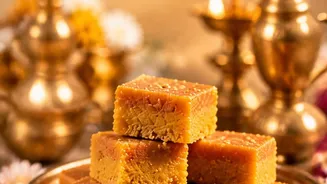
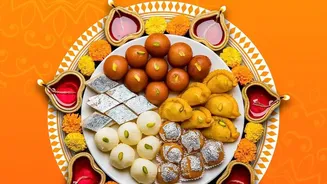
weigh exactly one kilogram. The actual weight depends on the sweets inside. Dense, milk-based barfis or nut-heavy sweets like Kaju Katli are heavier than airy, flaky ones like Soan Papdi. A 500g box might contain 8-12 pieces of heavy mithai but could hold many more pieces of a lighter sweet. When comparing, ask yourself what feels more generous: a box with more pieces of a lighter sweet, or fewer pieces of a denser, premium one? For personal gifting, a 500g box is a popular choice, while 250g boxes work well for corporate or acquaintance gifting.
Variety: More Than Just a Number
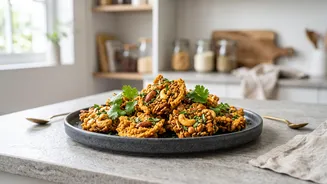
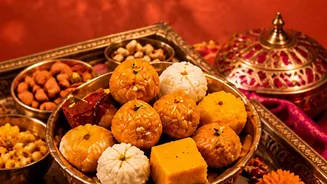
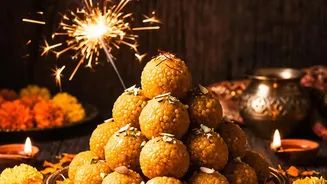
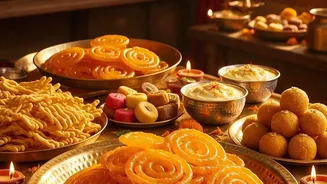
A box with ten types of sweets isn't automatically better than one with four. True variety lies in the mix of textures, flavours, and ingredients. A well-curated box offers a balanced experience. Look for a combination of a firm, sliceable sweet like Kaju Katli or a barfi, a softer one like a Peda or Kalakand, and perhaps something iconic like a Motichoor Ladoo. Some modern boxes even mix traditional mithai with fusion desserts, chocolates, or savoury snacks like chivda and spiced nuts to balance the sweetness. When gifting, a mix of two or three classic, widely-loved sweets like Kaju Katli and Motichoor Ladoo is often a safer and more considered choice than a box full of niche items. A great box tells a story through its selection, offering a journey of different tastes.
Freshness Is Non-Negotiable
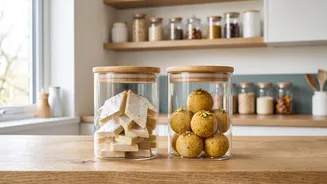
No amount of variety can make up for stale sweets. During the festive rush, it's crucial to check for freshness. Ask the shopkeeper when the sweets were made. Milk-based sweets (khoya barfi, milk cake, pedas) have a short shelf life and should be consumed within a few days. Drier, nut-based, or ghee-based sweets like Kaju Katli, Mysore Pak, and Ladoos last longer, often up to 10-15 days. Look for visual cues: sweets should have a vibrant colour and a slight sheen, not a dull, dry appearance. Most importantly, trust your nose; fresh mithai has a pleasant aroma of ghee, nuts, or milk, not a stale or sour smell. Reputable sellers are transparent about ingredients and provide storage instructions. Always check the packaging for a 'best-before' date.
Decoding the Price and Value
The most expensive box is not always the best value. The price of a sweet box is determined by its ingredients, not just its size. Sweets made with premium ingredients like cashews (Kaju Katli), almonds, pistachios, and pure ghee will always cost more than those made primarily with gram flour (besan) or milk solids (khoya). When comparing two boxes of the same weight, check the proportion of premium sweets. A box filled with Kaju Katli will be pricier than a same-sized box heavy on besan ladoo. Also, inquire about what's at the bottom. Some shops place expensive sweets on top and use cheaper fillers underneath. True value lies in getting fresh, high-quality sweets that taste delicious, regardless of the price tag.
Don't Forget the Packaging
While what's inside counts most, packaging plays a crucial role, especially for gifting. Good packaging does more than just look pretty; it protects the sweets and preserves their freshness. Look for sturdy boxes that won't get crushed in transit. Inside, the sweets should ideally sit in a sealed tray with individual compartments to prevent them from sticking together or breaking. For Diwali, the box itself is part of the gift. A well-designed, clean, and festive-looking box elevates the entire experience and signals that care went into the purchase. If you're sending the box over a long distance, durable and secure packaging is an absolute must.