


Beyond the Universal Garam Masala
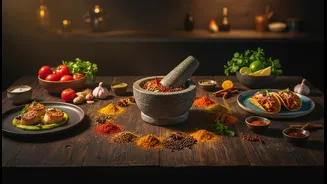
The familiar warmth of garam masala has long defined Indian cooking for many around the world. While it's a staple, it represents just one of countless spice blends, or masalas, that form the backbone of Indian cuisine. The country's culinary map is incredibly
diverse, with each region boasting unique masala blends that tell a story of local ingredients, climate, and history. Today, innovative chefs are moving past the one-size-fits-all approach. They are exploring the nuanced, complex, and often hyper-local spice profiles that have been passed down through generations, using them as a springboard for culinary creativity. This shift isn't just about authenticity; it's about expanding the very definition of what modern Indian food can be.
A Journey Through the Regional Spice Box
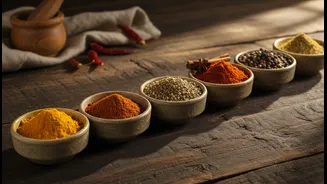
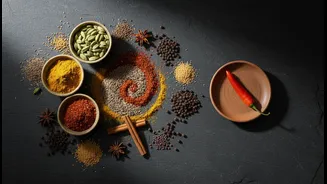
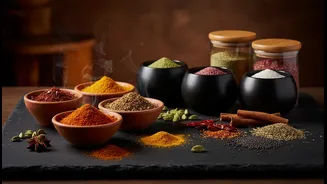
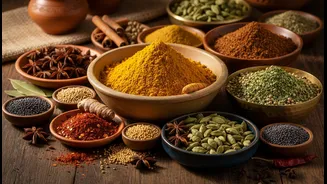
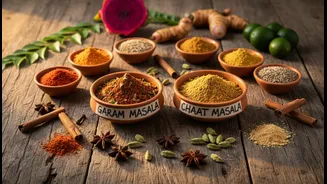
Three distinct regional masalas highlight the incredible diversity being rediscovered. From Maharashtra comes Goda Masala, a subtly sweet and aromatic blend thanks to ingredients like stone flower and dry coconut. Its name, derived from the Marathi word for 'sweet', refers to its gentle aroma, not a sugary taste. In Eastern India, particularly Bengal, Panch Phoron is a whole-spice blend of five seeds: fenugreek, nigella, cumin, black mustard, and fennel. Unlike ground masalas, it is often tempered in hot oil at the start of cooking, releasing a symphony of aromas and flavours. Meanwhile, Mumbai's East Indian community treasures its Bottle Masala, a complex mix that can contain anywhere from 20 to over 30 different spices, sun-dried and pounded in a laborious, communal ritual. Each of these blends offers a completely different sensory experience from the next.
Old Spices, New Tricks
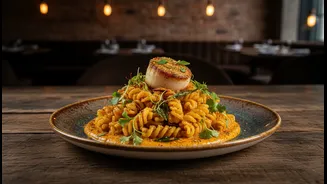
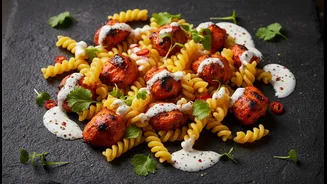
The fusion aspect comes alive in how these traditional masalas are being applied. It's not just about cooking a traditional dal or curry anymore. Chefs are using these spices in globally inspired formats. Imagine the earthy, anise-like notes of Panch Phoron used as a rub for roasted meats or sprinkled over vegetables and potatoes. Some chefs are even incorporating it into breads and naan for an unexpected textural and flavorful crunch. The sweet, fragrant profile of Goda Masala is finding its way into risottos and hearty lentil soups, lending a Maharashtrian touch to international dishes. The robust and versatile Bottle Masala, traditionally used for everything from pork vindaloo to vegetable stir-fries, is now being experimented with in everything from grilled fish to paella, showcasing its adaptability.
A Confident New Culinary Identity
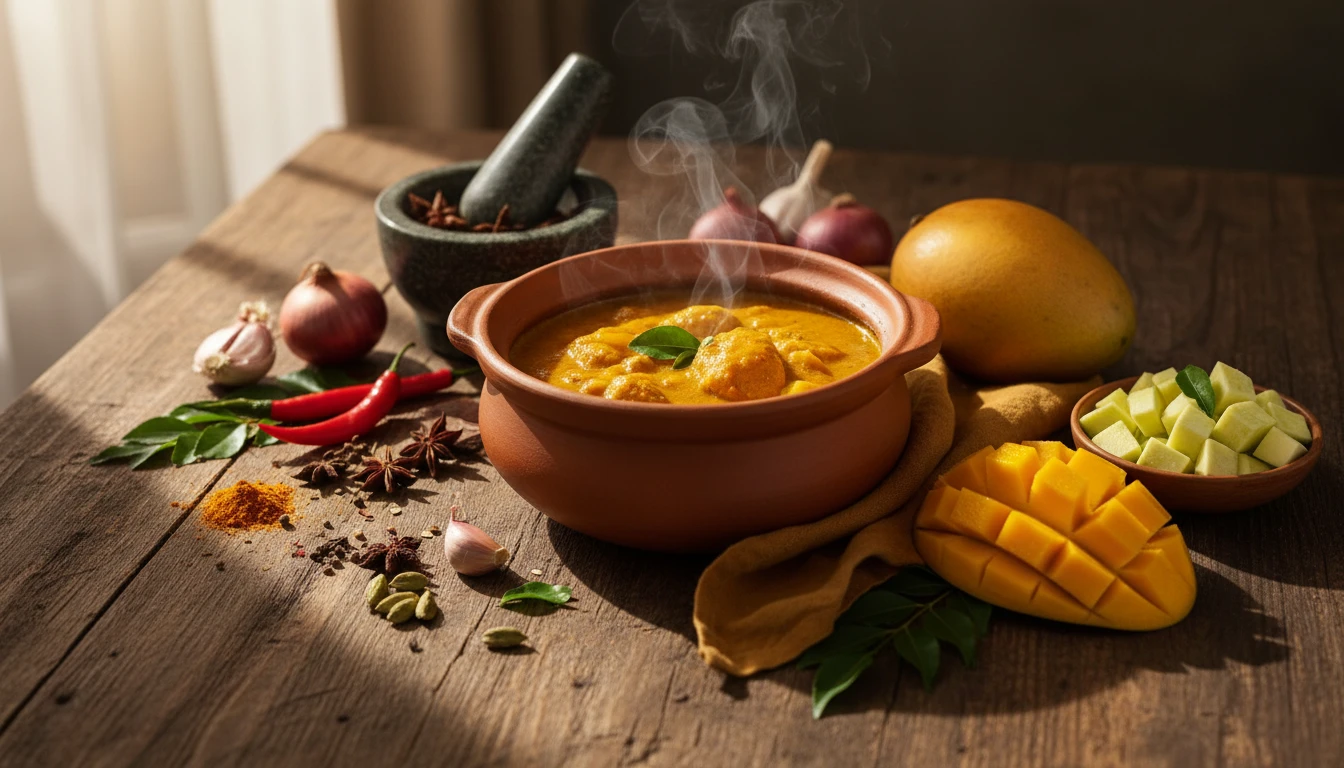
This trend is more than just a passing foodie fascination; it represents a deeper cultural shift. For a new generation of chefs, it's about confidently presenting the true diversity of Indian cuisine on a global stage. By focusing on indigenous ingredients and regional specialities, they are moving away from anglicised versions of Indian food and towards a more authentic, yet modern, representation. It's a way of telling a more complete story of India's culinary heritage—one that acknowledges that the food from Kerala, with its coconut and tamarind-laced curries, is vastly different from the smoky, hearty dishes of Nagaland or the delicate spice blends of Bengal. This movement is about celebrating roots while embracing evolution.