



More Than Just Second-Hand
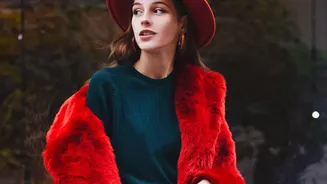
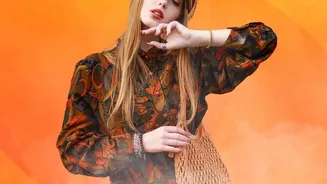
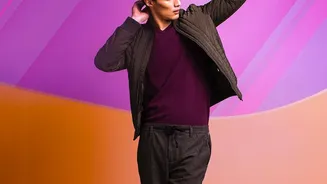
Forget the old stigma associated with used clothing. Today’s thrifting culture in India is less about dusty hand-me-downs and more about curated, stylish finds. Across cities like Mumbai, Delhi, and Bengaluru, a new generation of shoppers is redefining
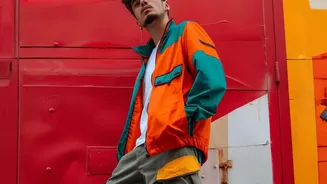
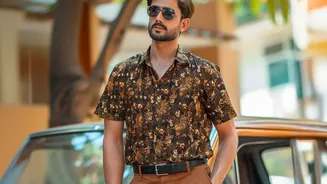
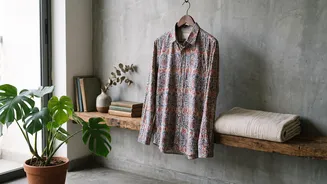
pre-owned fashion. This movement is thriving online, especially on Instagram, where digital thrift stores run by savvy young entrepreneurs offer handpicked collections of vintage gems, unique statement pieces, and high-quality garments. These platforms are not just stores; they are communities built around a shared aesthetic and a conscious rejection of mass-produced goods. What was once seen as a necessity is now a badge of honour, a signifier of being both style-conscious and socially aware.
The Eco-Conscious Closet
A major force behind this trend is a growing environmental consciousness among Gen Z and millennials. This generation is acutely aware of the dark side of fast fashion—its massive carbon footprint, water pollution, and role in creating a disposable clothing culture. Thrifting presents a practical and powerful alternative. By giving clothes a second life, young consumers actively participate in a circular fashion model, reducing textile waste that would otherwise end up in landfills. For many, choosing a pre-loved garment is a deliberate vote against the exploitative labour practices and environmental damage associated with parts of the mainstream fashion industry. It’s a way to enjoy fashion without the ecological guilt.
In Pursuit of Individuality
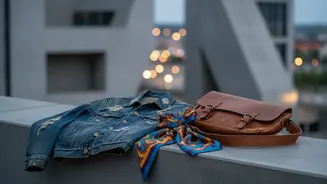
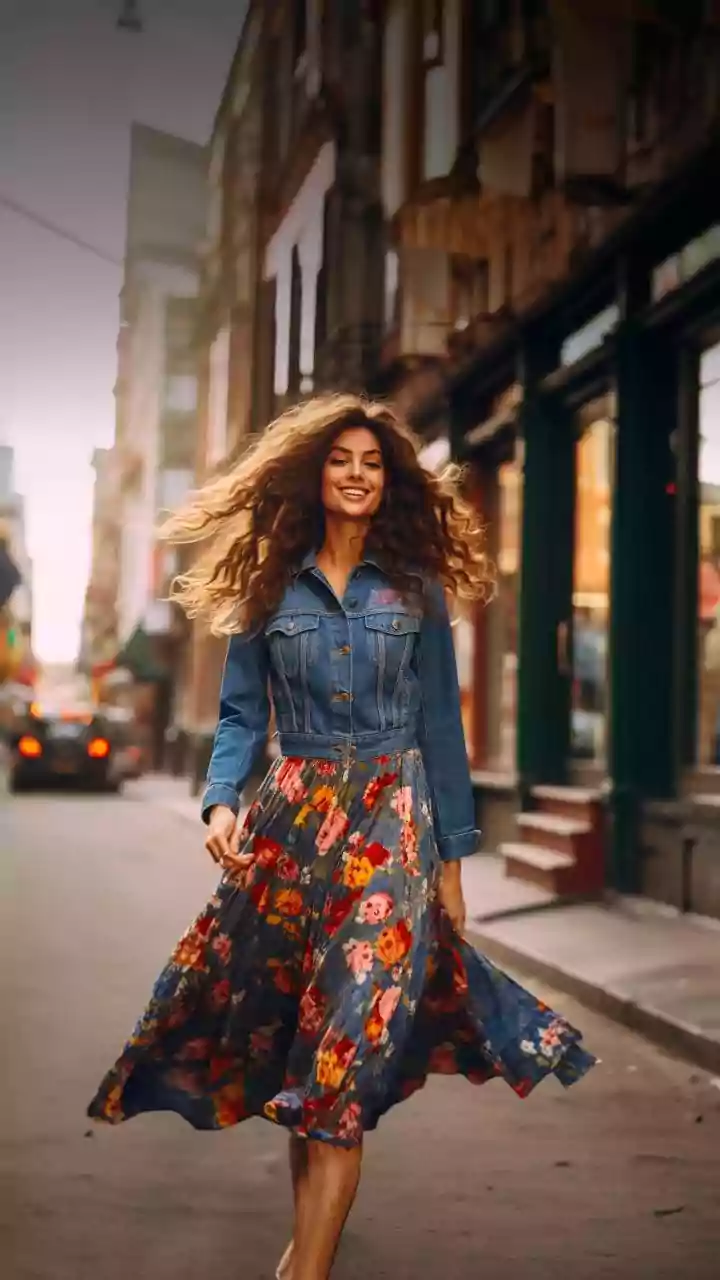
In an era dominated by global trends and uniform high-street styles, thrifting offers something increasingly rare: authenticity. Young Indians are tired of looking like everyone else and are turning to vintage and second-hand pieces to craft a unique personal identity. A thrifted jacket from the 80s or a rare band t-shirt tells a story that a mass-produced item simply cannot. This quest for individuality is amplified on social media, where proudly sharing a thrift haul or a uniquely styled outfit has become a form of creative expression. Influencers and celebrities embracing pre-owned fashion have also helped normalize and glamorize the culture, shifting perceptions from budget shopping to smart, creative styling.
The Appeal of Smart Economics
While sustainability and style are key drivers, the economic benefits cannot be overlooked. For college students and young professionals navigating competitive job markets and rising living costs, thrifting makes fashion accessible and affordable. It allows for experimentation with trends without a significant financial commitment. Thrifting democratizes access to high-quality and even designer brands that would otherwise be out of reach. This combination of getting more for less—better quality, more unique style, and a lower price point—is a powerful proposition for a generation that values smart, value-conscious consumption.
The Future is Pre-Loved
The thrifting movement in India is still evolving. While online stores are booming, challenges like quality control, hygiene concerns, and inconsistent sizing remain. Some shoppers still grapple with the societal stigma around second-hand goods, though this is rapidly fading in urban centers. Despite these hurdles, the momentum is undeniable. What started as a niche interest is fast becoming a mainstream choice, with major e-commerce platforms also beginning to explore resale options. This signals a fundamental rewiring of the fashion industry's value system, championed by a generation that demands more than just a fleeting trend.