


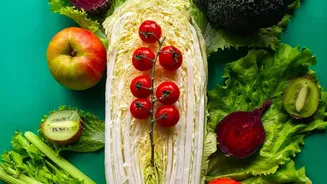


Summer Staples (March - June)
As the temperature rises, turn to vegetables with high water content to keep you cool and hydrated. Summer produce is light, crisp, and perfect for meals that don’t feel heavy. Cucumber (kheera), tomatoes (tamatar), and bottle gourd (lauki) are at their
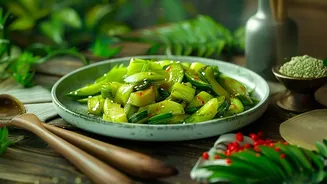
peak. Cucumbers are fantastic in salads or as sticks with a yogurt dip. Tomatoes can be turned into a quick, cooling raita or a simple sandwich filling. Lauki, often overlooked, makes for a light and digestible sabzi that pairs wonderfully with rotis and doesn't become greasy when packed. For something different, try a simple stir-fry with brightly coloured bell peppers (shimla mirch). These vegetables hold their texture well and bring a refreshing crunch to your lunch.
Monsoon Harvest (July - October)
The monsoon brings a bounty of robust vegetables that stand up well to cooking. This is the prime season for lady's finger (bhindi), corn (bhutta), and various gourds. A simple bhindi fry, cooked until crisp, is a lunchbox classic that tastes great even at room temperature. Fresh corn can be boiled and tossed into a vibrant salad with chopped onions, tomatoes, and a squeeze of lime. For leafy greens, spinach (palak) and fenugreek (methi) begin to flourish. While palak can be used in a dry sabzi with paneer or potatoes, methi leaves are perfect for making flavourful parathas that are easy to pack and eat on the go. These vegetables are packed with essential nutrients to keep your immunity strong during the rainy season.
Winter Wonders (November - February)
Winter is the season for hearty, nutrient-dense vegetables. The cool, dry weather is perfect for root vegetables and leafy greens. Carrots (gajar), peas (matar), cauliflower (gobi), and radishes (mooli) are at their sweetest and most flavourful. A classic aloo gobi or a simple gajar-matar sabzi is a comforting and wholesome lunch option. Fresh winter peas add a burst of sweetness to pulaos and curries. This is also the best time for leafy greens like mustard greens (sarson) and a fresh batch of spinach (palak). These can be incorporated into dals, sabzis, or stuffed parathas, offering warmth and a heavy dose of vitamins to get you through the cooler days.
Tips for a Fresher Lunchbox
To ensure your carefully prepared meal stays fresh until lunchtime, a few simple tricks can make all the difference. Always let hot food cool down completely before closing the lid of your container; this prevents condensation from making your food soggy. For salads, pack the dressing in a separate small container and mix it in just before you eat. This keeps the greens crisp and prevents them from wilting. Investing in a compartmentalised lunchbox can also be a game-changer, allowing you to keep different components of your meal, like a dry sabzi and roti, separate and fresh. Finally, chopping vegetables the night before can be a huge time-saver on busy mornings, making it that much easier to stick to your healthy lunch plan.