


More Than Just an Object
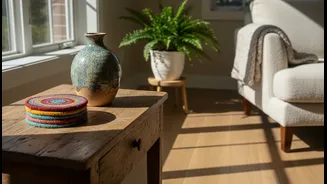
Look around your home. The items you’ve chosen to display tell a story about who you are. While mass-produced decor can fill a space, handcrafted pieces give it a voice. Each artisan-made item, whether it's a ceramic vase or a handwoven rug, carries the imprint
of its creator. These are not just objects; they are the result of skill, patience, and creative vision, often passed down through generations. Unlike items from a production line, no two handmade pieces are ever identical. This inherent uniqueness ensures your home reflects your personality, not just a passing trend. By choosing handmade, you're not just decorating; you're curating a collection of stories that make your home truly your own.
The Beauty of Imperfection
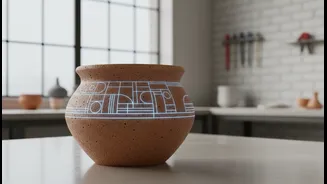
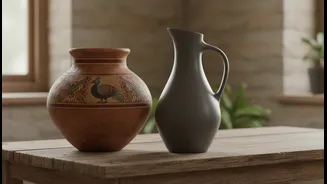
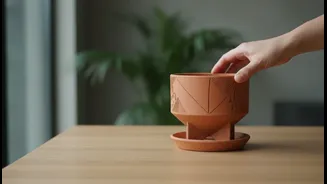
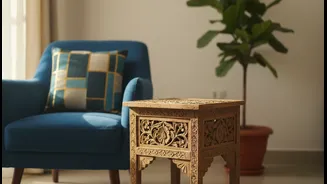
Modern design often chases a sleek, flawless look, which can sometimes feel cold or impersonal. Handcrafted decor introduces a gentle antidote: the beauty of imperfection. The subtle variations in a hand-thrown pot, the slight asymmetry in a carved wooden figure, or the unique texture of a hand-loomed fabric are not defects. They are marks of authenticity—proof that a human hand was involved in the creation. This organic quality adds warmth, character, and a sense of comfort to a room, making it feel lived-in and welcoming. These pieces invite touch and closer inspection, creating a multi-sensory experience that flat, machine-made items simply cannot replicate.
A Celebration of Indian Artistry
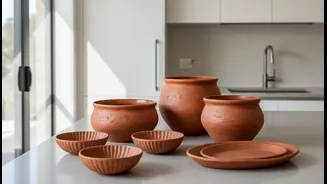
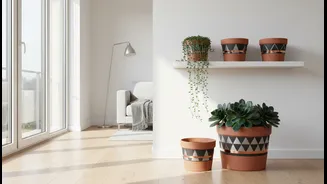
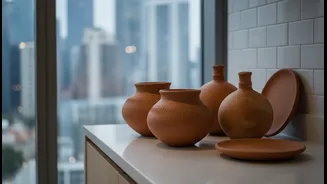
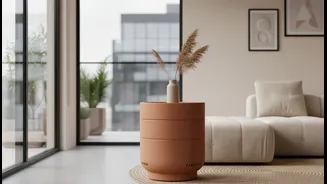
For those in India, embracing handcrafted decor means connecting with a deep and vibrant cultural heritage. The country is a treasure trove of artisanal skills that are perfect for the modern home. Imagine the rustic charm of Dhokra metal art from Chhattisgarh, the intricate beauty of hand-block printed textiles from Rajasthan, or the earthy elegance of terracotta pottery. These are not just decorative styles; they are living traditions. Incorporating items like Bastar ironwork, hand-carved wooden panels, or woven cane furniture supports the skilled artisans who are custodians of these crafts and helps preserve their legacy for future generations.
How to Weave in the Magic
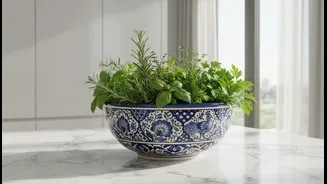
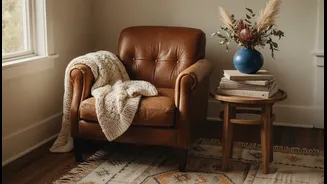
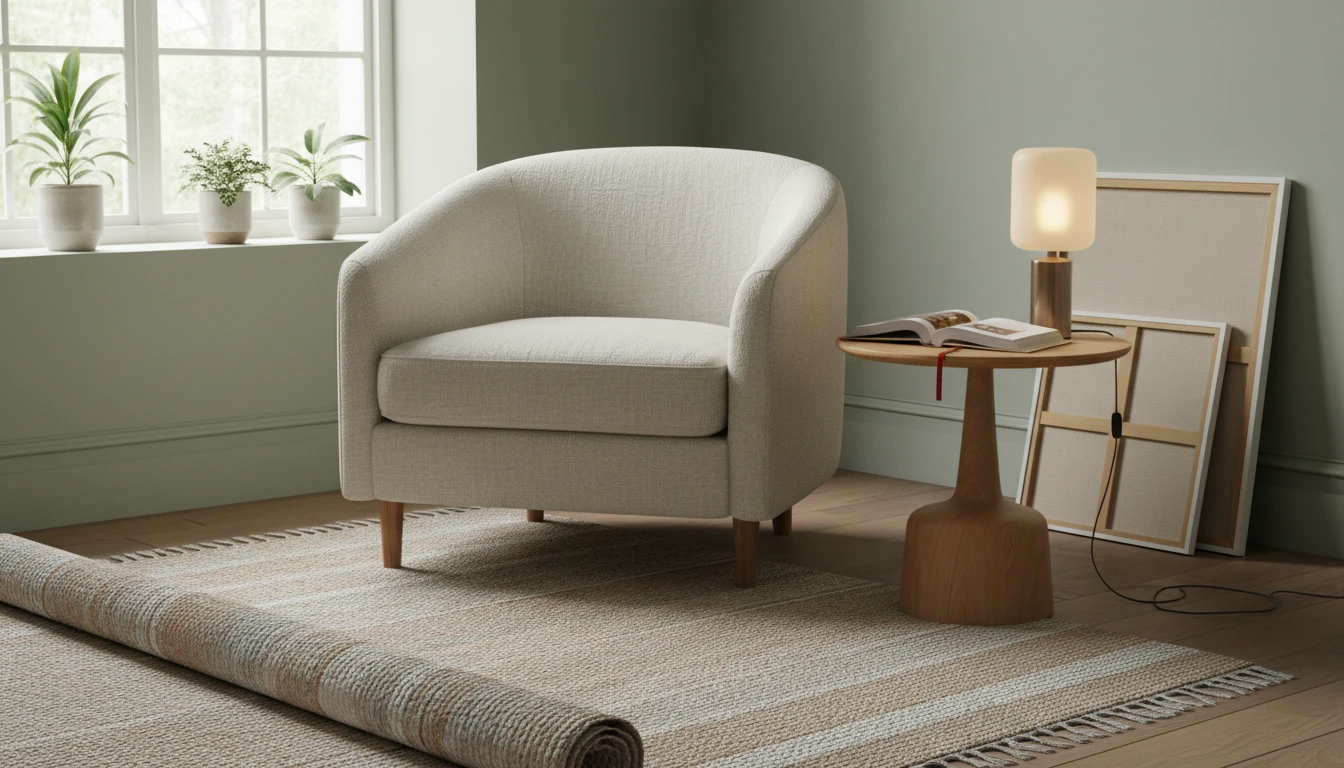
Integrating handmade pieces doesn't require a complete overhaul. The key is to start thoughtfully. Begin with smaller, functional items like handcrafted mugs, bowls, or cushion covers. These can add an immediate touch of personality. Layering textiles is another simple yet effective strategy; a handwoven throw or a set of block-printed pillows can instantly add texture and warmth to a sofa or bed. Consider creating a focal point with a single, significant piece, such as a large piece of wall art or a unique lamp. Don't be afraid to mix and match. A modern, minimalist space can be beautifully balanced by the warmth of a rustic, hand-carved wooden bowl. The goal is to create a dialogue between different pieces, reflecting your personal journey.
Finding Your Authentic Treasures
One of the most rewarding aspects of collecting handcrafted decor is the hunt. You are not just a consumer; you are a patron of the arts. Supporting artisans means you are helping local economies and promoting sustainable practices, as many creators use eco-friendly materials and methods. Look for treasures at local craft fairs, state emporiums, and government-supported initiatives that promote regional crafts. Ethical online marketplaces have also made it easier than ever to connect directly with artisans from across the country. When you travel, seek out local crafts as meaningful souvenirs. Each purchase becomes a connection—to a person, a place, and a tradition—making your home a rich tapestry of meaningful experiences.