





Why Temperature Is Not the Full Story
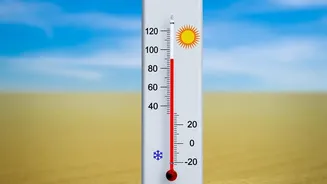
We often judge the day's heat by looking at the temperature. But on its own, this number is misleading. The real measure of how hot it feels to our bodies is the heat index, which combines air temperature with relative humidity. The reason humidity matters
so much is that it directly interferes with our body's primary cooling mechanism: sweating. When we sweat, the evaporation of that moisture from our skin is what cools us down. But when the air is already saturated with water vapour—as it is on a highly humid day—that evaporation slows down dramatically or even stops. The sweat simply sits on our skin, making us feel sticky and preventing our bodies from shedding heat effectively.
Defining Heat Strain
Heat strain is the total physiological stress your body experiences when trying to cope with warmth. It's not just about feeling hot; it’s about the work your system has to do to maintain its core temperature. This process puts a significant load on the cardiovascular system. Your heart has to pump harder and faster to circulate more blood to the skin to try and release heat. This increased workload can elevate your heart rate and blood pressure, straining the heart, especially in vulnerable individuals. When this cooling effort fails due to high humidity, your core body temperature can begin to rise, leading to serious health consequences.
Recognising the Warning Signs
It is crucial to recognise the signs of heat-related illness, which can occur even on days that don't seem dangerously hot. The first stage is often heat exhaustion. Symptoms include dizziness, tiredness, headache, feeling sick or vomiting, excessive sweating with pale and clammy skin, and muscle cramps. You might also feel very thirsty and irritable. If these symptoms are ignored and the body continues to overheat, it can lead to heat stroke, a life-threatening emergency. Signs of heat stroke include confusion, slurred speech, a very high body temperature, fast breathing, and a loss of consciousness. Unlike heat exhaustion, a person with heat stroke may have hot, dry skin and stop sweating altogether.
Who Is Most at Risk?
While anyone can be affected, some groups are more vulnerable to heat strain from high humidity. This includes the elderly, young children, and individuals with pre-existing health conditions like heart, lung, or kidney disease. People with high blood pressure or diabetes also face a higher risk, as their bodies may struggle to regulate temperature effectively. Outdoor workers, athletes, and anyone engaging in strenuous physical activity are also at an increased risk because their bodies generate more internal heat, compounding the environmental stress.
How to Protect Yourself on Humid Days
The key to staying safe is to focus on the 'feels like' temperature, or heat index, not just the number on the thermometer. Drink plenty of fluids throughout the day, even if you don't feel thirsty, to stay hydrated. Water is best, but electrolyte-replacement drinks can also be beneficial if you are sweating a lot. Wear lightweight, loose-fitting clothes made from breathable fabrics like cotton to help air circulate. If possible, schedule outdoor activities for the cooler parts of the day, such as the early morning or late evening. Taking cool showers or baths can also help lower your body temperature. Indoors, use fans and air conditioning to keep air moving and aid in what little evaporation is possible.