





Know the Monsoon's Three Acts
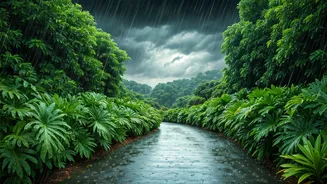
Not all monsoon months are created equal. The season broadly has a beginning, a middle, and an end. The early phase (June-early July) often sees the first heavy downpours on dry, unprepared ground, which can cause flash floods in cities as drains struggle
to cope. The peak phase (July-August) is when rainfall is most intense and sustained, leading to the highest risk of landslides in hilly regions and widespread travel disruption. The late phase (September) often brings a welcome balance, with lush landscapes, full waterfalls, and less intense, more predictable rain, making it a potentially safer and more pleasant window for travel.
The Daily Clock: Your First Line of Defence
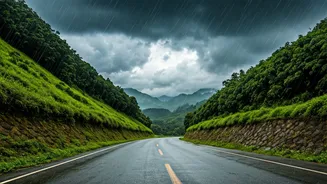
“Good timing” also applies to the time of day. For road travel, especially in hilly or remote areas, always plan to travel during daylight hours. Visibility is drastically reduced at night, and it's much harder to spot hazards like potholes, debris, or waterlogged sections. Heavy downpours are often unpredictable, but starting early allows you to build in a buffer for delays. A journey that takes four hours in dry conditions could easily take six or more in the rain. Avoid the temptation to make up for lost time by speeding; wet roads significantly increase braking distances.
Road Trips: Route, Weather, and Vehicle Checks
Before you even turn the key, your planning is paramount. Use reliable weather apps like the IMD's official app to check not just your destination's forecast, but the entire route. Some regions, particularly in the Himalayas and Western Ghats, are highly prone to landslides. Heed official warnings from bodies like the IMD, which issue alerts for heavy rainfall and potential hazards. Avoid driving through standing water; it can conceal deep potholes and stall your engine. If you must cross a waterlogged patch, do so slowly in a low gear while keeping the engine revs up to prevent water from entering the exhaust. Also, ensure your vehicle is monsoon-ready with good tyre tread, effective wipers, and working headlights.
Trains and Flights: The Art of the Buffer
While often safer than roads, trains and flights are not immune to monsoon delays. Waterlogging on tracks can slow trains to a crawl, and poor visibility can lead to flight diversions or cancellations. The key here is to build generous buffers into your itinerary. Don't book tight connections. If you have an important event or a flight to catch, plan to arrive at the destination city a day early. This reduces stress and prevents a single delay from derailing your entire trip. Always book stays with flexible cancellation policies where possible, as monsoon plans can change with little warning.
Trekking and Hill Stations: When to Reconsider
The misty allure of a monsoon trek is strong, but this is where timing and caution are most critical. Many national parks close during the monsoon for safety reasons. Popular hill stations in Himachal Pradesh, Uttarakhand, and parts of the Western Ghats become landslide-prone during peak rains. Heavy downpours can make trails slippery and dangerous. Local authorities often issue advisories against trekking in certain areas; these should always be followed. For adventure activities, the safest timing might be to postpone the trip until the post-monsoon season, or to choose a destination in a rain-shadow region like Spiti or Ladakh which see less rainfall during this period.
Beyond Timing: Other Monsoon Essentials
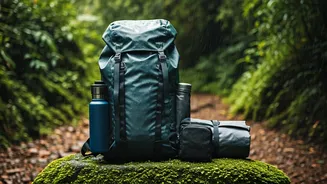
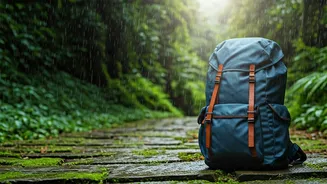
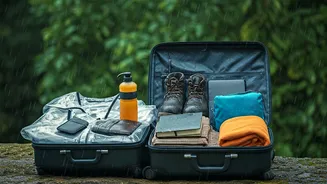
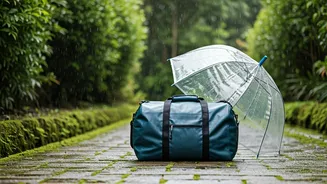
While timing is crucial, a safe trip also depends on smart packing and health precautions. Pack quick-drying synthetic clothes instead of cotton or jeans, and invest in waterproof footwear with good grip. A waterproof bag or cover is essential to protect your electronics and documents. Be cautious with food and water; the risk of contamination is higher during the monsoon. Stick to bottled water and freshly cooked hot meals from hygienic places. Carrying a basic medical kit with remedies for stomach issues, as well as an insect repellent, is also a wise move.