



Understanding Dietary Fibre
Before comparing fruit and juice, it’s essential to know what fibre is. Dietary fibre is a type of carbohydrate from plant-based foods that your body can't digest. It comes in two main forms: soluble and insoluble, both of which are crucial for good health.
Soluble fibre dissolves in water to form a gel-like substance, which can help lower cholesterol and blood sugar levels. You'll find it in the flesh of fruits like apples and oranges. Insoluble fibre does not dissolve in water. It adds bulk to your stool, promoting regular bowel movements and preventing constipation. This type of fibre is mostly found in the skins and peels of fruits and vegetables. A healthy diet requires both types to support digestion, control hunger, and regulate sugar absorption.
The Juicing Process: Where Fibre is Lost
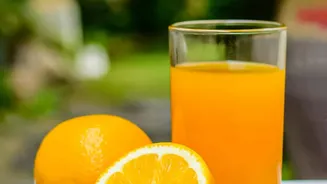
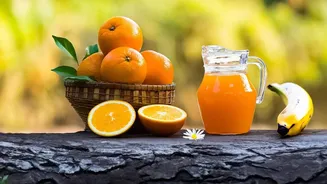
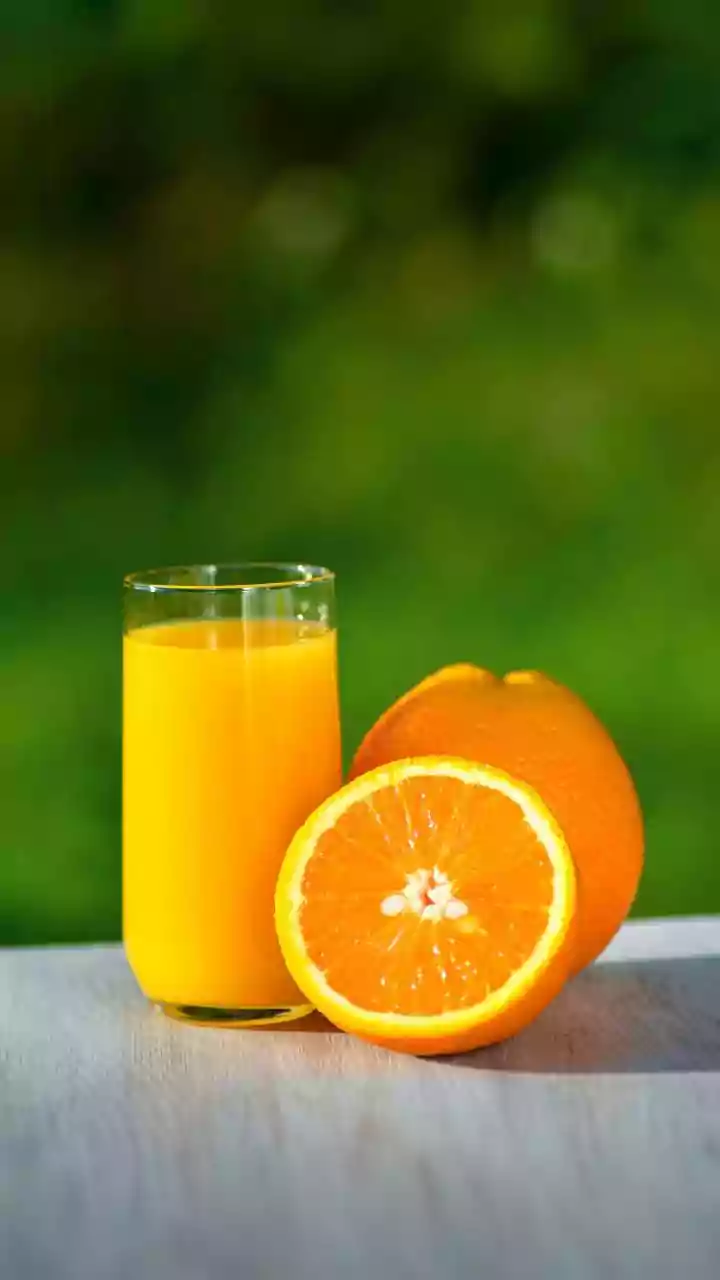
When you juice a fruit, the process separates the liquid from the solid parts—the pulp, skin, and seeds. This is where the major difference lies. Most juicers extract the water and nutrients but leave behind the bulk of the insoluble fibre, which is discarded with the pulp. While some soluble fibre remains in the juice, the total fibre content is drastically reduced. For example, a cup of orange segments contains about 3.6 grams of fibre, whereas a cup of 100% orange juice has only around 0.5 grams. The process essentially strips the fruit of its structural components, turning what was a complex food into a simple liquid.
Whole Fruit: A Fibre Powerhouse
Eating a whole fruit provides the complete package of nutrients as nature intended. The combination of soluble and insoluble fibre works together to slow down digestion. This has several benefits. Firstly, it makes you feel fuller for longer, which can help with weight management. Secondly, the fibre binds with the natural sugars in the fruit, slowing their absorption into the bloodstream. This prevents the rapid spikes in blood sugar and insulin that can occur after consuming sugary drinks. The act of chewing also signals to your brain that you are eating, contributing to feelings of satiety that you don't get from drinking.
Fruit Juice: A Concentrated Source of Sugar
While fruit juice contains vitamins and minerals, it is a concentrated source of sugar without the beneficial fibre to buffer its absorption. The sugars in juice are considered 'free sugars' by the World Health Organization, similar to those in honey or table sugar. Without fibre, these sugars hit your bloodstream quickly, causing a rapid rise in blood glucose. This can be problematic, especially for individuals managing diabetes. Even juice that is advertised as 'with pulp' contains significantly less fibre than the whole fruit. The visible pulp pieces do not guarantee a high fibre content, so relying on juice for your daily fibre intake is not an effective strategy.
The Middle Ground: Smoothies
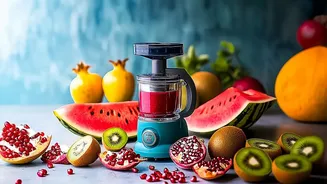
If you enjoy drinking your fruit, a smoothie made in a blender is a better option than juice. Blending breaks down the whole fruit, including the skin and pulp, but it doesn't remove the fibre. Because the entire fruit is consumed, you get the benefits of both soluble and insoluble fibre. This makes smoothies more filling and better for blood sugar control compared to juice. However, it's still easier to consume more fruit in a smoothie than you would eating it whole, so portion control remains important.
Making the Healthiest Choice
For maximum health benefits, prioritising whole fruits over juice is the clear winner. Studies have linked higher consumption of whole fruits with a lower risk of type 2 diabetes, whereas higher juice intake is associated with an increased risk. This doesn't mean you must eliminate juice entirely. A small glass of 100% fruit juice can be part of a balanced diet, but it should be considered a treat rather than a substitute for whole fruit. When you do have juice, consuming it with a meal containing protein or fat can help slow down sugar absorption. Ultimately, the key is to eat your fruits whenever possible to ensure you're getting the invaluable fibre that is lost in a glass.