




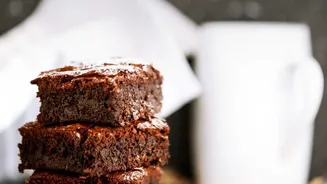
Ancient Grains in a Modern Treat
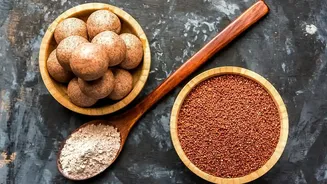
The humble chocolate brownie is getting a makeover, thanks to a pair of ancient Indian grains that are finding new life in modern kitchens. Sorghum (jowar) and finger millet (ragi), long-time staples used in rotis and porridges, are now being recognised
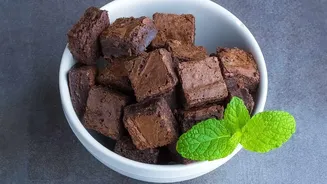
for their incredible potential in baking. These naturally gluten-free flours are moving beyond the realm of simple flatbreads and into the world of indulgent desserts. Home bakers and culinary innovators are discovering that these millets do more than just replace wheat; they fundamentally change the brownie for the better, offering complex flavours, improved textures, and a significant nutritional boost.
Sorghum: The Secret to a Tender Crumb
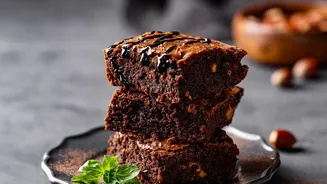
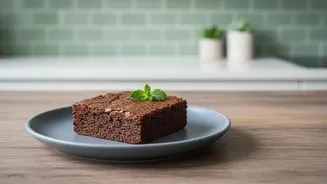
Sorghum flour, known as jowar in India, is a powerhouse of nutrients, including protein, fibre, and antioxidants. In baking, its magic lies in its light colour and mild, almost neutral flavour. Unlike some gluten-free flours that can be dense or have a strong taste, sorghum provides a soft, tender crumb that beautifully complements the richness of chocolate. Its fine texture helps create brownies that are less heavy and more delicate, moving away from the classic dense chewiness towards something more refined. It has a remarkable ability to mimic the properties of wheat flour, especially when used in blends, providing structure without the gluten.
Finger Millet: For Flavour and Fudginess
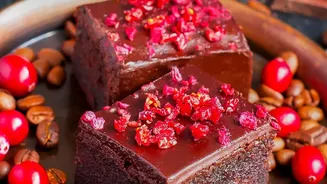
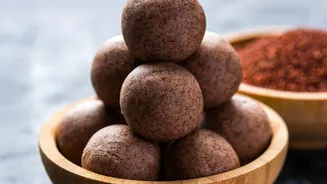
Finger millet, or ragi, brings a completely different character to the baking pan. Well-regarded for its high calcium and iron content, ragi has a distinct, earthy flavour with nutty and malty undertones. While some find it an acquired taste, when paired with dark chocolate, this unique profile adds an incredible depth and complexity that you won't find in a traditional brownie. Ragi flour tends to create a denser, moister, and incredibly fudgy final product. Its ability to retain moisture means your brownies are less likely to dry out, staying rich and delicious for longer. Using ragi can transform a simple sweet treat into a more sophisticated dessert with a grown-up flavour profile.
The Art of the Swap: Tips for Success
Substituting traditional flour with millet flours isn't always a one-to-one exchange. These flours are thirsty and absorb more liquid than wheat flour, so you may need to increase the amount of oil, eggs, or milk in your recipe to achieve the right consistency. Some bakers recommend letting the batter rest for 15-20 minutes before baking; this allows the millet flours to fully hydrate, which improves the texture and prevents a gritty mouthfeel. For best results, consider starting with a blend, such as mixing sorghum and ragi together, or combining one of them with another gluten-free flour like rice flour or even a small amount of all-purpose flour if you're not strictly gluten-free. And remember that millet flours have a shorter shelf life, so it's best to store them in the refrigerator.