



A Movement of Memory and Modernity
For many young Indians, this is more than just a fashion trend; it's a statement. It's a conscious rejection of the mass-produced and a heartfelt embrace of sustainability, individuality, and family history. Gen Z, a generation hyper-aware of climate
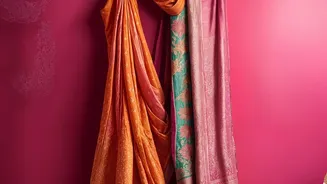
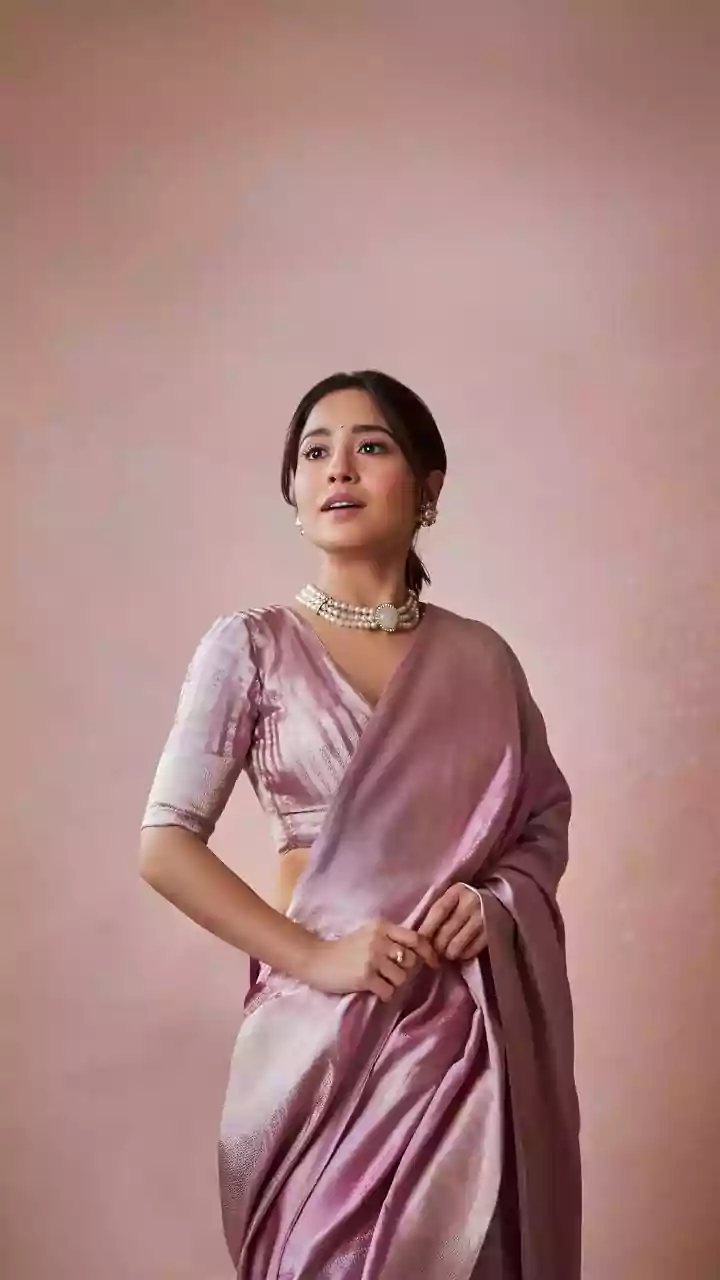
change and the environmental impact of the textile industry, sees value beyond the fabric. An old Kanjeevaram or Banarasi silk saree isn't just a garment; it's a story, a memory, and a piece of cultural heritage. By upcycling, they are not only reducing textile waste but also creating one-of-a-kind pieces that no retail store can offer. This movement is about crafting a personal style that is deeply meaningful, blending the timeless elegance of traditional weaves with a modern, confident energy.
From Six Yards to a Chic Co-ord Set
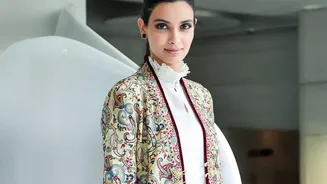
So, how exactly is a forty-year-old saree transformed into a wardrobe staple for 2026? The creativity is boundless. Heavy silk sarees with intricate zari work are being reborn as structured jackets, corset tops, and elegant lehengas. Lighter silk, chiffon, or georgette sarees are finding new forms as flowy maxi dresses, chic kurtas, and stylish co-ord sets. Even the smallest sections of a saree are used; beautiful borders are stitched onto new garments, and vibrant pallus are turned into statement blouses or dupattas. The result is a fusion look that feels both rooted and contemporary—pairing a silk crop top with high-waisted jeans or wearing a saree-turned-jacket over a simple dress with sneakers.
The Smart Economics of Sentimental Style
One of the most compelling drivers of this trend is simple economics. Acquiring a brand-new, high-quality silk saree or a designer ethnic outfit can be a significant expense. Upcycling an existing heirloom offers a high-fashion look for a fraction of the cost. While the process isn't free—it requires the skill of a good tailor or a specialized boutique—the total expense is often far lower than buying new. The primary cost is the craftsmanship involved in deconstructing and reconstructing the garment, which can vary depending on the complexity of the design. This makes it an accessible way for budget-conscious young adults to wear luxurious fabrics and intricate designs without the hefty price tag, making a smart investment in a unique, high-quality wardrobe.
Your Guide to Upcycling Heirlooms
Inspired to look through your own family's collection? The key to a successful transformation is finding the right creative partner. Start by seeking out a local tailor with experience working with delicate or old fabrics. It's crucial to have a clear conversation about your vision. Bring reference pictures, discuss the condition of the saree, and be open to their suggestions, as they will understand the fabric's limitations and potential. Alternatively, a growing number of designers and online boutiques now specialize in upcycling. These services can offer a more design-led approach, helping you conceptualize a modern outfit that honours the spirit of the original garment. Before you begin, carefully inspect the saree for any tears or weaknesses in the fabric, as this will influence the final design.
Caring for Your Reimagined Treasure
Once your heirloom has been transformed, proper care is essential to ensure it lasts for years to come. Silk is a delicate natural fibre that requires gentle handling. Always opt for dry cleaning, especially for sarees with zari or embroidery. If you must wash it at home, use a mild detergent in cold water and never wring out the fabric. Instead, roll it in a towel to absorb excess water and dry it in the shade to prevent the colour from fading. Store your upcycled piece in a muslin cloth or a breathable garment bag to protect it from moisture and insects, ensuring your unique, sentimental outfit remains a cherished part of your wardrobe.