




Start with High-Value Herbs
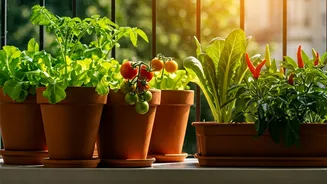
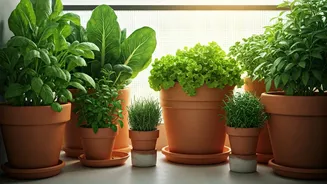
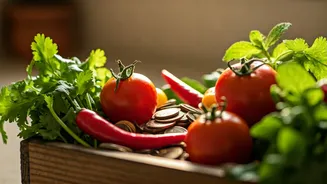
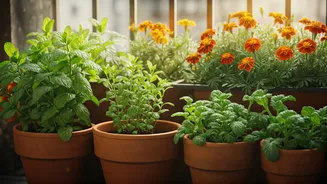
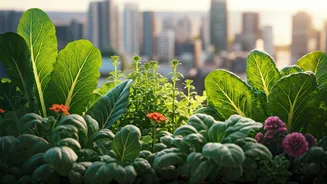
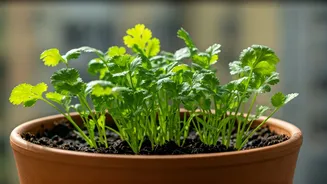
Think about the items you buy frequently in small, expensive packets: coriander (dhania), mint (pudina), curry leaves, and basil. These herbs are often ridiculously overpriced at the supermarket for the quantity you get, and they are incredibly easy to
grow in small pots. A single packet of coriander seeds can provide a continuous supply for months, costing you a fraction of what you'd spend buying bunches every week. Place a few pots on a sunny windowsill or balcony. Not only will you save money, but you'll also have the freshest flavour at your fingertips, elevating your home cooking instantly. The initial investment is minimal—a few pots, some soil, and seeds—but the return is constant.
Focus on Fast-Growing Vegetables
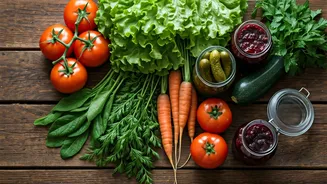
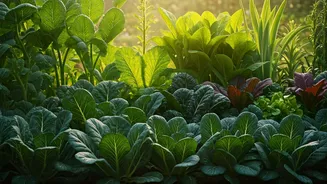
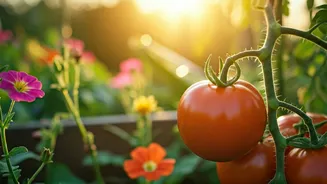
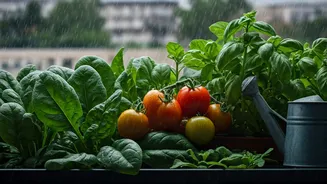
To see financial returns quickly, choose vegetables that are both productive and mature fast. Tomatoes are a fantastic choice for Indian homes. A few healthy plants can yield kilograms of produce over a season, saving you a substantial amount. Similarly, chillies, brinjal (eggplant), and lady's finger (okra) are well-suited to our climate and produce prolifically. Radishes (mooli) and spinach (palak) are other great options that grow from seed to harvest in just a few weeks. By focusing on these staples, you directly replace items on your weekly shopping list, and the impact on your grocery bill becomes noticeable very quickly.
Slash Food Waste to Zero
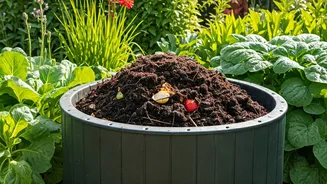
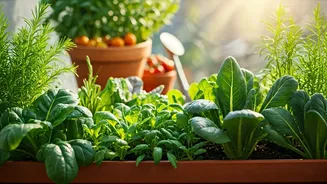
How often have you thrown away a half-used bunch of wilted herbs or a forgotten vegetable in the back of the fridge? A home garden dramatically reduces this kind of waste. You harvest only what you need, right when you need it. A few leaves of mint for your chai, a single chilli for your tadka, or a handful of spinach for your dal—everything is perfectly fresh. This ‘harvest-on-demand’ model means your food doesn't have time to spoil. Furthermore, you can compost kitchen scraps like vegetable peels and coffee grounds to create free, nutrient-rich fertiliser for your plants, creating a closed-loop system that saves you money on both food and garden supplies.
Keep Your Startup Costs Low
The idea of saving money is defeated if you spend a fortune setting up your garden. Thankfully, you don't have to. Get creative with your containers. Old paint buckets, plastic bottles, take-away containers, and cracked mugs can all be repurposed as pots—just ensure they have drainage holes. Instead of buying expensive potting mix, you can create your own by mixing regular soil from a local nursery with cocopeat (which is inexpensive and great for retaining moisture) and your homemade compost. You can also propagate new plants from kitchen scraps. The bottom of a spring onion bunch or a potato with ‘eyes’ can be regrown, giving you a new plant for free.
The Savings Beyond the Supermarket
The financial benefits of a kitchen garden extend beyond the direct cost of vegetables. Growing your own food often leads to healthier eating habits, which can have long-term positive impacts on your health and potentially reduce medical expenses. There are also fewer trips to the market, which saves you time and fuel costs. But perhaps the most valuable return is intangible: the satisfaction and peace of mind that come from connecting with nature and eating food you’ve grown yourself. This mental wellness boost is a priceless benefit. The process itself is a stress-buster, providing a welcome break from the digital world and a tangible sense of accomplishment.